The Greater Accra Passenger Transport Executive (GAPTE), operators of the Aayalolo Quality Bus Service, is introducing a contra-flow bus priority system on four major corridors in Accra to reduce travel time and improve public transport during peak hours. The system begins on Tuesday, September 29, 2026, and will operate on the Amasaman, Pokuase, Kasoa, and Adentan corridors. This initiative follows a traffic simulation exercise conducted with the Ghana Police Service's Motor Traffic and Transport Department (MTTD), Department of Urban Roads, Ministry of Transport, and other stakeholders.
The four selected corridors include the Amasaman corridor with pick-up points at Amasaman, Kwame Nkrumah Circle, and Achimota; Pokuase corridor covering Pokuase, Kwame Nkrumah Circle, and Achimota. The Kasoa corridor covers Kasoa Main Station, Tuba Junction, Old Barrier, Weija Barrier, and Kaneshie First Light; and Adentan corridor covering Adentan Barrier, Madina Zongo Junction, Legon/Okponglo, and the 37 Military Hospital. The contra-flow arrangement allows Aayalolo buses to use a dedicated lane on the opposite side of the main carriageway to travel towards the peak direction.
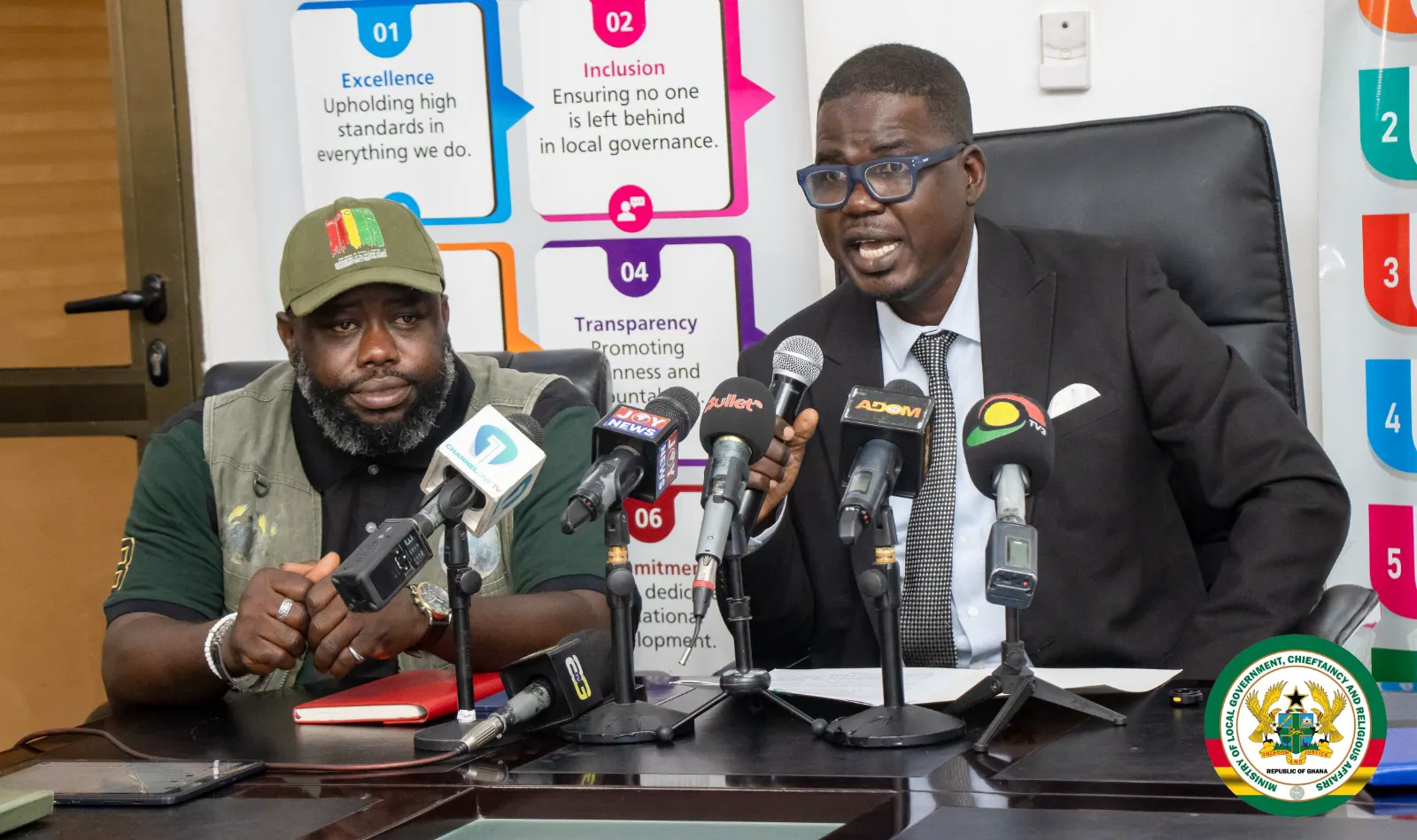
Speaking at a press conference in Accra, Mr. Dawuda Awudu, Managing Director of GAPTE, stated that the initiative supports the Government's 24-Hour Economy policy by ensuring workers, traders, health professionals, security personnel, and others can move safely and efficiently across the metropolis. He emphasized that congestion remains a major constraint to productivity and that an efficient transport system is essential to the success of a 24-hour economy.
Under the contra-flow arrangement, Aayalolo buses will use dedicated lanes marked with cones, reflective lane dividers, and road signs, with GAPTE route wardens and MTTD officers deployed at major intersections. The lanes are exclusively for Aayalolo buses, and private cars, taxis, trotros, okadas, and trucks are not permitted to use them during operational hours. The system will operate from 0600 hours to 0900 hours for morning inbound traffic and 1600 hours to 2000 hours for evening outbound traffic.
Mr. Awudu mentioned that the corridors were selected based on Aayalolo ridership data, travel-time surveys, and congestion mapping conducted between January and August 2026. He cited the Kasoa-Tudu route as an example, stating that the average peak-hour journey, currently about two-and-a-half hours, is projected to reduce to between 40 and 50 minutes under the system. The initiative will also provide commuters with more reliable journey times through fixed Aayalolo timetables and increase the number of passengers transported on the selected corridors.
The Managing Director said the initiative is being implemented with the support of Mr. Mahama Ayariga, the Minister for Local Government, Chieftaincy and Religious Affairs, who provided policy direction and helped align the Assemblies along the four corridors. He stressed that the contra-flow system is exclusively for Aayalolo buses and that any other transport operator seeking to use the designated stretches would first have to obtain the necessary license from GAPTE.
Mr. Awudu appealed to motorists, commercial drivers, and the public to cooperate with GAPTE wardens and MTTD officers during the pilot exercise. He also announced that GAPTE would soon deploy an electronic payment system to make travel more convenient for passengers. The public can contact GAPTE through 0531088045 and 0531088033, via calls or WhatsApp, to submit feedback, complaints, or emergency information during the contra-flow operation.
Key points
- The contra-flow system aims to reduce travel time and improve public transport during peak hours.
- The system will operate on four major corridors in Accra: Amasaman, Pokuase, Kasoa, and Adentan.
- The initiative supports the Government's 24-Hour Economy policy by ensuring safe and efficient movement across the metropolis.