In a groundbreaking judgment, the International Court of Justice has ruled that Myanmar is responsible for the 2017 genocide against the Rohingya minority. The ruling, hailed as "historic" by the Gambian presidency, marks a significant victory for Gambia, which filed the case on behalf of the 57 member states of the Organization of Islamic Cooperation. The judgment paves the way for accountability and potential reparations for the atrocities committed against the Rohingya.
The International Court of Justice found that Myanmar's military launched a systematic campaign of violence and persecution against the Rohingya in Rakhine State, resulting in widespread human rights abuses and displacement. The court's ruling confirmed that Myanmar's actions constituted genocide, in violation of the 1948 Genocide Convention. The judgment also ordered Myanmar to take measures to prevent further harm to the Rohingya and to ensure their safe and dignified return.
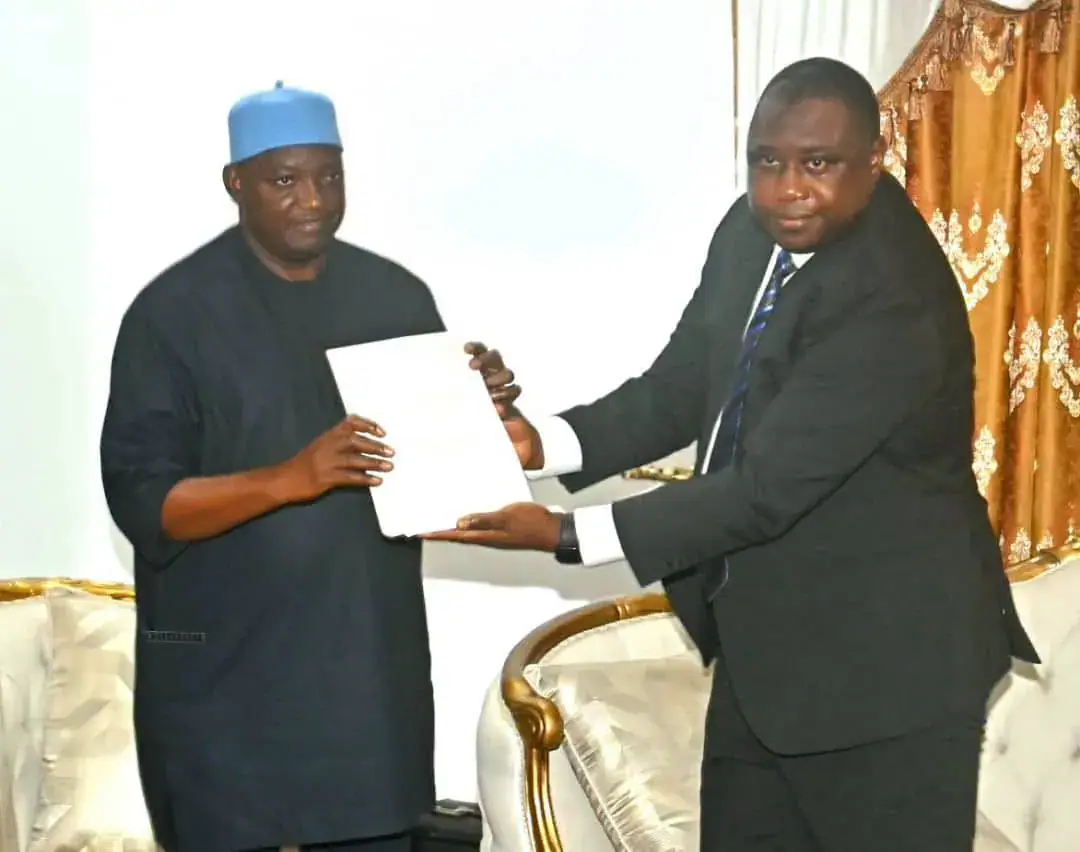
The Gambian government welcomed the judgment, with Minister of Justice Dawda Jallow presenting a certified copy of the ruling to President Adama Barrow. The presidency described the outcome as a major achievement for Gambia, making it the first country to win a genocide case at the International Court of Justice. The judgment is seen as a significant step towards justice and accountability for the Rohingya people.
The case was filed in November 2019, with Gambia arguing that Myanmar's actions against the Rohingya constituted genocide and seeking reparations for the victims. The International Court of Justice's ruling ordered Myanmar to recognize the Rohingya as citizens and facilitate their safe and voluntary return. The court also mandated Myanmar to provide reparations and compensation to the Rohingya community and individuals affected by the violence.
The judgment has been hailed as a significant milestone in the pursuit of justice for the Rohingya people. The Rohingya have faced decades of persecution and violence in Myanmar, with hundreds of thousands fleeing to neighboring countries, including Bangladesh. The International Court of Justice's ruling is expected to have far-reaching implications for Myanmar and the international community's response to mass atrocities.
The Gambia-Myanmar case marks a significant development in the application of the Genocide Convention, with implications for future cases involving allegations of mass atrocities. The International Court of Justice's judgment underscores the importance of holding states accountable for their actions and ensuring that victims of genocide receive justice and reparations. The ruling is expected to shape international jurisprudence on genocide and human rights.
The International Court of Justice's judgment is a critical step towards accountability and justice for the Rohingya people. While the ruling marks a significant achievement, its implementation and enforcement will be closely watched by the international community. The case highlights the importance of international cooperation and collective action to prevent and respond to mass atrocities, and to ensure that perpetrators are held accountable for their actions.
Key points
- The International Court of Justice ruled that Myanmar is responsible for the 2017 genocide against the Rohingya minority.
- Gambia becomes the first country to win a genocide case at the International Court of Justice.
- The judgment orders Myanmar to recognize the Rohingya as citizens, facilitate their safe return, and provide reparations and compensation.
Reporting sources
- غامبيا تحقق حكما “تاريخيا” يحمل ميانمار مسؤولية إبادة الروهينغا · saharamedias.net