The Gambia has taken a significant step towards enhancing government communication by validating its first National Communication Policy, covering 2027-2036. The policy aims to address the current fragmented, late, and one-way government communication. Dr. Ismaila Ceesay, Minister of Information, Media and Broadcasting Services, stated that the policy is designed to change the current communication approach. The validation workshop was organized by the Ministry of Information, Media and Broadcasting Services, with support from the West Africa Coastal Areas Resilience Project.
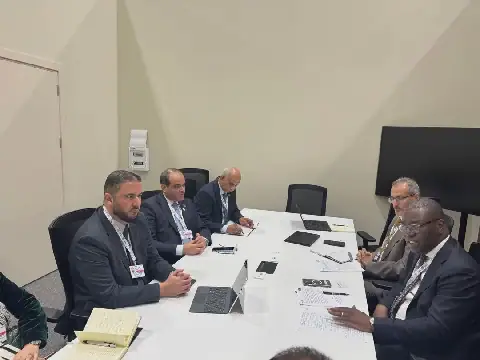
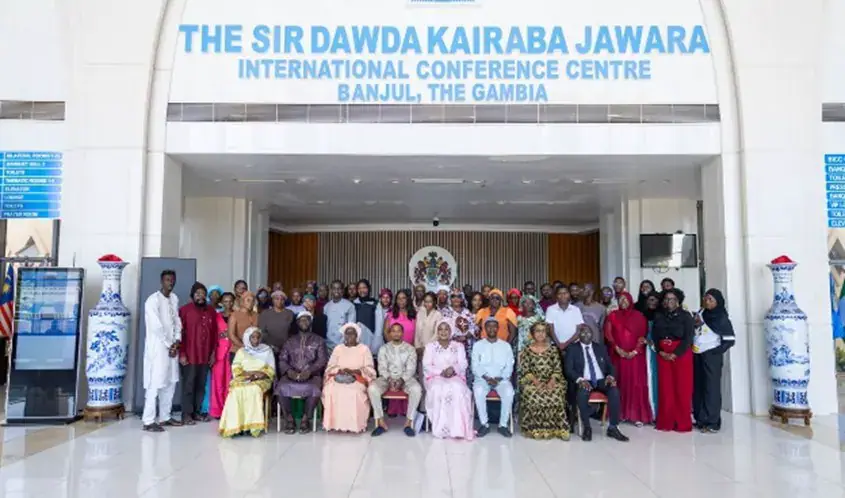
The National Validation workshop brought together government officials, media practitioners, civil society, and community representatives to review the draft policy and its annexes. The Permanent Secretary of the Ministry of Information, Media and Broadcasting Services, Ms. Cordu L. Jabang, highlighted the history of government communication in The Gambia since 1965. She noted that English has been the primary language for official government statements, despite citizens speaking and understanding various languages. The validation exercise aims to examine current communication practices and establish a policy framework to guide government communication.
The Minister of Information, Media and Broadcasting Services, Dr. Ismaila Ceesay, emphasized that the policy marks a fundamental shift in how government communication is understood, organized, and delivered. He stressed that government communication is a public service, and every Gambian has a right to know and access information. The policy aims to provide credible, inclusive, accountable, and responsive communication to citizens. Dr. Ceesay encouraged participants to review the draft critically and help make it a document that the whole country can own.
Speakers from across government and partner institutions supported the policy and linked it to their work. The Director of Press and Public Relations emphasized the need to strengthen information flow between government and its institutions. The Project Coordinator of the WACA Project Implementation Unit highlighted the importance of communication strategies in getting the right information to the right people at the right time. The Minister of Environment, Climate Change and Natural Resources also linked credible communication to preparedness for climate-related risks and emergencies.
The Lead Consultant presented the draft policy, tracing its journey and setting out its key findings, vision, goals, and focus areas. Participants then reviewed the policy section by section in four groups, covering coordination and credibility, inclusion and citizen voice, capacity and delivery, and resilience and the future. The groups agreed on changes and priorities, which were discussed and resolved in plenary. The day closed with a validation statement and an agreed route to Cabinet, the next step before the policy guides government communication.
The validation exercise aimed to ensure that government information reaches citizens early and clearly, reflecting the languages and realities of communities. The policy also seeks to earn public trust through openness rather than persuasion. For the ministry and its partners, the goal goes beyond a document; they want to improve government communication across the public sector. The policy's implementation will be crucial in achieving this goal.
The Gambia's first National Communication Policy is a significant step towards improving government communication. The policy's focus on inclusivity, accountability, and responsiveness will help build trust between the government and citizens. The implementation of the policy will require collaboration between government agencies, media practitioners, civil society, and community representatives. Key points include:
Key points
- The policy aims to improve government communication, making it more inclusive, accountable, and responsive to citizens' needs.
- The policy was developed with support from the West Africa Coastal Areas Resilience Project.
- The implementation of the policy will require collaboration between government agencies, media practitioners, civil society, and community representatives.