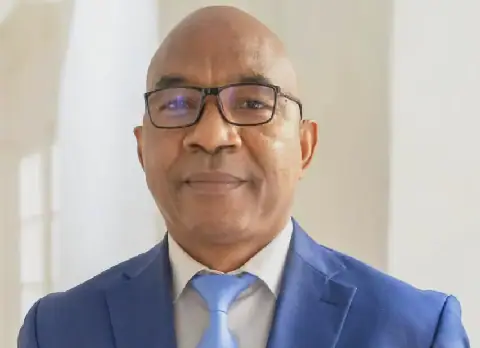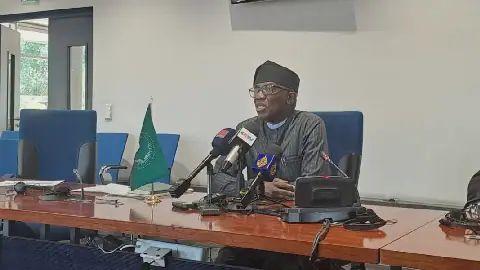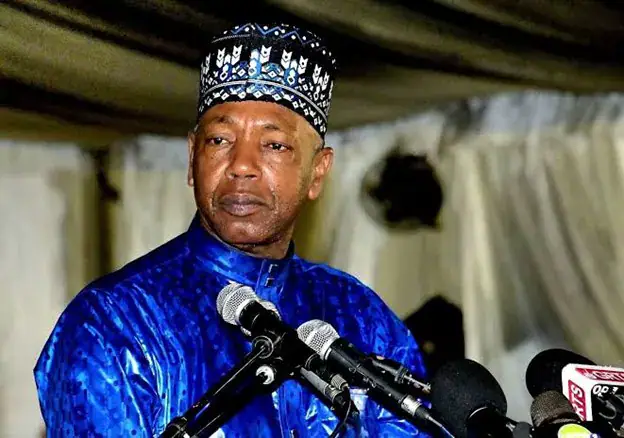
The Minister of Lands, Local Government and Religious Affairs, Hamat N.K. Bah, has addressed public concerns over the government's land allocation process. He defended the process while emphasizing the need for the restoration of the Land Allocation Board. According to Bah, the absence of the Board has led to too much authority being vested in the Lands Minister, which he described as undesirable and potentially dangerous given the value of state land as a national asset.
Under previous arrangements, proposals for land allocation were reviewed by the Board, which could approve or reject recommendations before finalization. Bah stated that the oversight mechanism should be restored through legislative amendments currently under consideration. He emphasized that one person should not have the power to determine the allocation of one of the country's most valuable assets without adequate oversight. This, he said, is to ensure transparency and accountability in the allocation process.
The minister addressed public concerns over recent disclosures of land records, stating that the law requires all state allocations to be published in the Government Gazette. He revealed that a review found many allocations dating back to 2017 had not been gazetted as required. Officials have been tasked to compile and publish all allocations since then. This move aims to provide the public with access to accurate information and prevent misinformation.
Responding to criticism that some companies received more than one parcel, Bah argued that businesses expanding into different sectors may legitimately require additional land. He said companies that create jobs, pay taxes, and contribute to growth should be allowed to apply if they meet legal requirements. According to him, allocating land to such companies can boost economic growth and development.
Bah dismissed allegations that President Adama Barrow's son was allocated two plots. According to him, one earlier allocation linked to Adam Barrow was cancelled, leaving only a single valid allocation. He added that the President had previously declined a proposal that could have benefited his son and that companies linked to the first family are subject to the same rules as other applicants.
The minister disclosed that investigations into several disputed layouts, including wetlands, have been completed or are nearing completion. Findings will be forwarded to the Land Commission for action. He confirmed a comprehensive audit of the land allocation system is underway and will be made public. This move aims to ensure accountability and transparency in the land allocation process.
Bah also criticized some media for publishing inaccurate reports, urging verification and objective reporting. He rejected claims that the Local Government Commission of Inquiry was politically motivated, saying all adversely mentioned persons were notified as required by law and have the right to challenge findings in court.
Key points
- The Gambia government is set to restore the Land Allocation Board to strengthen transparency and oversight in the land allocation process.
- Minister Hamat Bah has defended the government's land allocation process, emphasizing the need for transparency and accountability.
- A comprehensive audit of the land allocation system is underway and will be made public to ensure accountability and transparency.