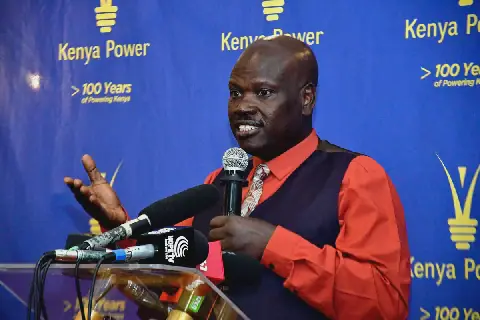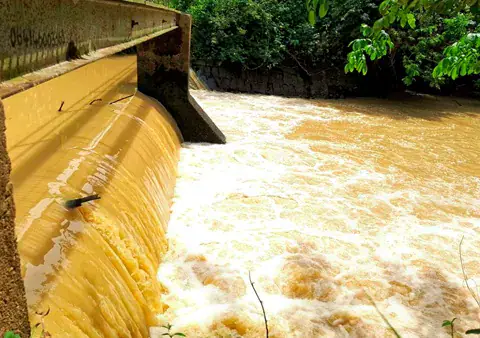
The Tano River, a primary source of drinking water for residents of Sunyani and surrounding communities in Ghana, is facing significant pressure from upstream illegal mining activities, known as "galamsey". This has resulted in the river's water turning yellowish, indicating a high level of pollution. The situation was highlighted during a visit by Dr. Shafic Suleman, Executive Secretary of the Public Utilities Regulatory Commission (PURC), to the Abesim Water Treatment Plant.
Dr. Suleman noted that the increasing galamsey activities upstream are affecting the quality of raw water supplied to the plant. The turbidity levels of water entering the plant have remained consistently high over the past three months, raising concerns about the potential impact of mining-related pollution on water treatment and supply. Although the levels have not yet reached the threshold requiring the use of polymers, further deterioration could increase the quantity of chemicals needed to treat the water.
The situation could also affect the volume of raw water available for treatment, exacerbating existing water supply challenges in the region. Dr. Suleman warned that galamsey activities in neighboring areas, particularly parts of the Ashanti Region, could have serious consequences for communities and water facilities downstream. He appealed to regional ministers for Bono, Ahafo, and Ashanti to collaborate in addressing the threat before it deteriorates to critical levels.
Dr. Suleman called on chiefs, district assemblies, opinion leaders, the media, security agencies, and environmental institutions to support efforts to protect the river. The PURC will draw the attention of relevant institutions, including Ghana Water Ltd (GWL), National Security, and other environmental authorities, to the concerns and seek their collaboration to address the problem.
The Abesim Water Treatment Plant, which draws raw water from the Tano River, is currently operating at about 90 percent of its installed capacity. However, the level of production is inadequate to meet demand, making the revival of the stalled Sunyani Water Expansion Project critical to increasing water production and improving distribution to communities.
Dr. Suleman also highlighted that the PURC's Bono Regional Office has received approximately 1,300 consumer complaints since the beginning of the year, with about 91 percent resolved. The commission has facilitated the replacement of 33 faulty or overloaded electricity transformers and 381 defective electricity poles, benefiting over 3,000 people in affected communities.
The Brong Ahafo Regional Chief Manager of GWL, Theophilus T. Collins, assured that the water produced by the Abesim facility continues to meet the required quality standards, including those of the Ghana Standards Authority, PURC, and the World Health Organisation. He acknowledged that challenges with raw water quality have increased the use of treatment chemicals and operating costs at the facility.
Key points
- The Tano River's water quality is being threatened by upstream galamsey activities.
- The situation could exacerbate existing water supply challenges in the region.
- The revival of the stalled Sunyani Water Expansion Project is critical to addressing water production and distribution challenges.
Reporting sources
- Galamsey puts Tano River in danger · Daily Graphic