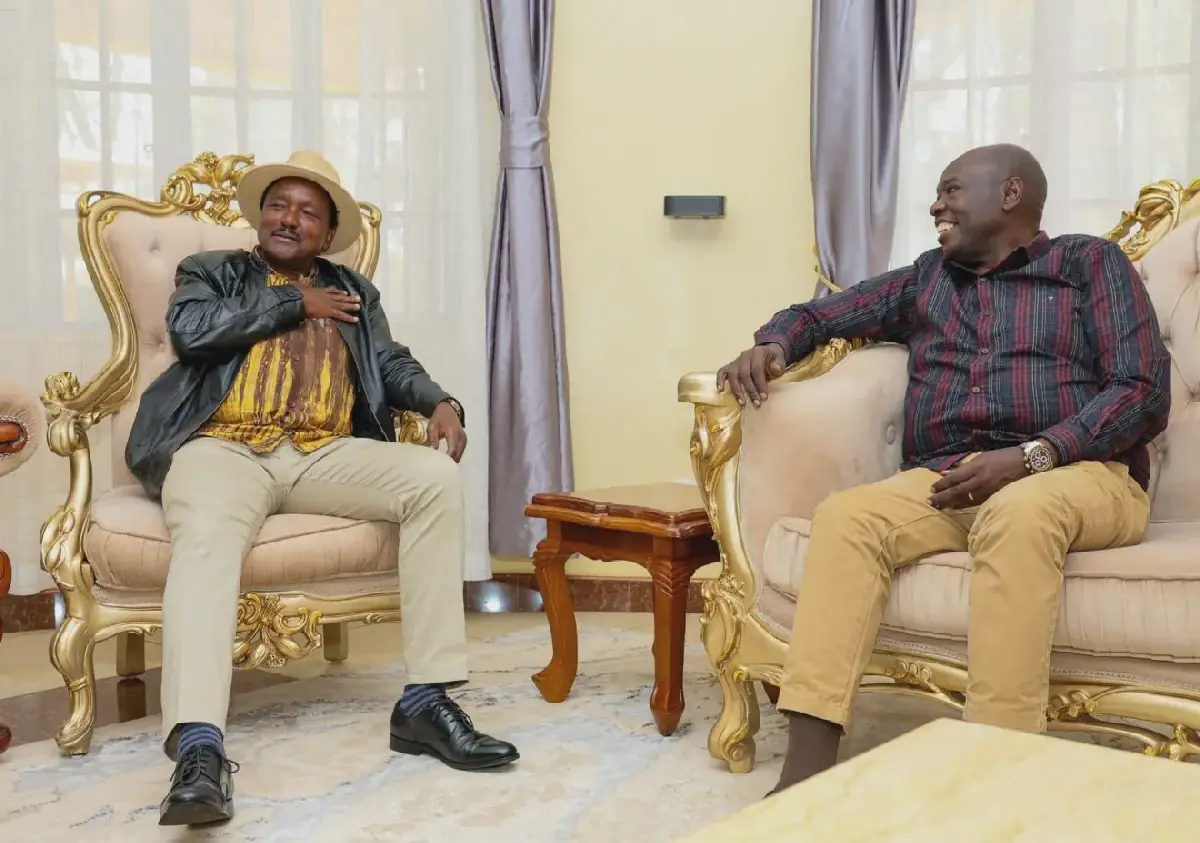
Former Deputy President Rigathi Gachagua is spearheading efforts to form a broad opposition alliance ahead of Kenya's 2027 presidential election. His strategy, dubbed Operation Okoa Kenya, aims to consolidate political influence across key regions, including Mlima Kenya, Ukambani, Magharibi, and Nyanza. This initiative is crucial in Gachagua's bid to challenge the ruling party and secure a significant position in the upcoming elections. According to Gachagua, the plan involves forging alliances with various political parties and interests to create a formidable opposition bloc.
At the heart of Gachagua's strategy is a proposed alliance between his Democracy for the Citizens Party (DCP), Kalonzo Musyoka's Wiper party, and Edwin Sifuna's Linda Mwananchi movement. This coalition seeks to pool resources, mobilize support, and present a united front against the ruling party. Gachagua's DCP will reportedly support Sifuna's movement in traditional strongholds of Raila Odinga, particularly in Magharibi and Nyanza. In return, Sifuna's movement will help Gachagua expand his influence in these regions. This strategic partnership is seen as a crucial step in Gachagua's quest for the presidency.
Gachagua's Operation Okoa Kenya has sparked mixed reactions within the opposition ranks. Some quarters have expressed skepticism about the feasibility of this grand alliance, citing concerns about power-sharing and leadership dynamics. Additionally, Gachagua faces opposition from within his own region, with some leaders, such as Muturi and Peter Munya, resisting pressure to merge their parties with the DCP. Munya has questioned the rationale behind holding talks at Gachagua's private residence, advocating for a more neutral platform.
The former Deputy President has also reached out to Charity Ngilu, the former Governor of Kitui, in a move seen as an attempt to weaken Kalonzo Musyoka's influence in Ukambani. This development has triggered concerns within the Wiper party, with some members accusing Ngilu of undermining Kalonzo's presidential ambitions. The dynamics of these alliances will likely shape the opposition landscape in the lead-up to the 2027 elections.
Analysts argue that Gachagua's biggest challenge is not only determining whether to run for the presidency but also navigating the complex web of alliances and interests within the opposition. His ability to build a cohesive and credible coalition will be crucial in determining his prospects. Moreover, Gachagua's recent court setback, which upheld his removal from office, has raised questions about his future and the potential impact on his presidential bid.
Key to Gachagua's strategy is his control of the Mlima Kenya region, which played a significant role in his rise to prominence. His efforts to expand his influence in other regions, particularly in Magharibi and Nyanza, will be critical in determining the success of his presidential bid. The involvement of prominent leaders such as Kalonzo Musyoka and Edwin Sifuna will likely bolster his chances, but the complexities of these alliances will require careful management.
As the 2027 elections approach, Gachagua's opposition dynamics will continue to evolve. His ability to navigate these complex relationships and build a credible coalition will ultimately determine his prospects. With the current trajectory, it is clear that the opposition landscape will be shaped by the alliances and interests of key players like Gachagua, Kalonzo, and Sifuna.
Key points
- Gachagua's proposed alliance with Kalonzo Musyoka's Wiper party and Edwin Sifuna's Linda Mwananchi movement aims to create a formidable opposition bloc ahead of the 2027 presidential election.
Reporting sources
- Karata ya Gachagua kwa Kalonzo, Sifuna kuelekea 2027 · taifaleo.nation.co.ke