A severe fuel supply crisis in Gabon's capital city, Libreville, and other parts of the country has reignited debate on the government's costly subsidy on petroleum products. The subsidy, which keeps fuel prices low, has been a significant burden on the state's budget. With the crisis showing no signs of abating, President Brice Clotaire Oligui Nguema has instructed the government to explore ways to reduce or eliminate the subsidy. This move is driven by the need to allocate resources more efficiently, particularly towards vital sectors such as healthcare, education, and poverty alleviation.
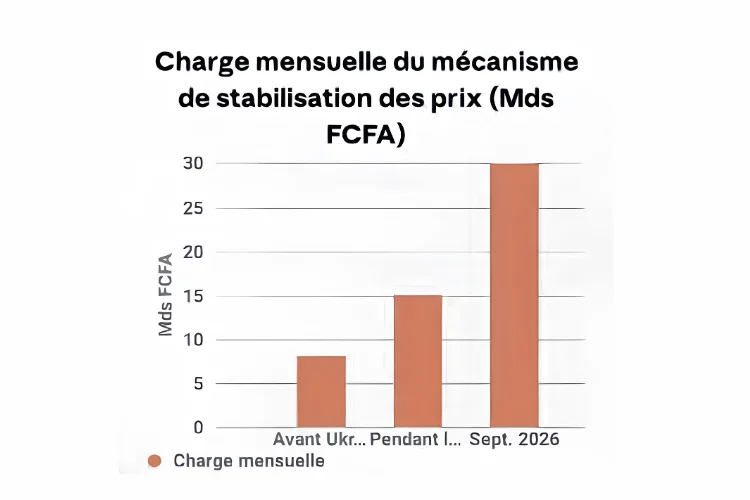
The subsidy has been a longstanding policy in Gabon, aimed at shielding consumers from high fuel prices. However, the cost of maintaining this policy has skyrocketed in recent times. Prior to the Ukraine conflict, the monthly bill for subsidizing fuel was around 7-9 billion CFA francs. This figure surged to 15 billion CFA francs during the crisis and further escalated to 30 billion CFA francs in September 2026, largely due to tensions in the Middle East. The substantial financial burden has prompted the government to reassess its commitment to the subsidy.
Despite the challenges, the subsidy has its benefits, particularly for consumers. Gabon boasts some of the lowest fuel prices in the sub-region, which helps to protect the purchasing power of its citizens. If the subsidy is abolished, fuel prices are likely to increase, bringing them more in line with those in neighboring countries. The government must therefore strike a balance between reducing its financial burden and mitigating the impact on households.
The Council of Ministers, presided over by President Oligui Nguema on October 8, 2026, acknowledged the need for a comprehensive review of the subsidy. While no immediate decision to end the subsidy has been made, the debate on the future of fuel pricing in Gabon has been opened. The government is faced with the daunting task of finding a solution that addresses both the fiscal constraint and the potential consequences for consumers.
In related news, the Council of Ministers has approved the construction of new toll and weigh stations in the department of Bendjé. This move is part of a broader effort to upgrade the country's infrastructure and enhance revenue collection. Additionally, the government has greenlit the launch of studies for the construction of a new oil refinery, which could potentially alleviate the current fuel supply crisis.
The fuel crisis has also led to an increase in illicit activities, including smuggling and black market trading. The government has urged citizens to report any instances of such activities, which undermine the country's economy and deprive the state of much-needed revenue. Furthermore, a new mobile application, CNT, has been introduced to help manage public transportation and reduce congestion in urban areas.
Despite the economic slowdown globally, Gabon's economy has shown resilience. According to a recent sectoral note, the country has managed to limit the impact of the global downturn. The government's efforts to diversify the economy and invest in key sectors are expected to yield positive results in the long term. As the debate on the fuel subsidy continues, the government must navigate the complex issues surrounding fuel pricing, economic growth, and social welfare.
Key points
- The Gabonese government is considering ending fuel subsidies due to rising costs.
- The subsidy costs the state around 30 billion CFA francs per month.
- Ending the subsidy could lead to higher fuel prices and impact household purchasing power.