The Gabonese government is undertaking a significant overhaul of its oil code, with President Oligui Nguema meeting with Oil Minister Clotaire Kondja on November 10 to discuss the progress of the new text. The code's revision focuses on adapting to deep offshore oil exploration, promoting local content, and training young Gabonese in the sector. Although the code has not yet been adopted, its development signals a shift towards more sustainable and equitable management of Gabon's oil resources.
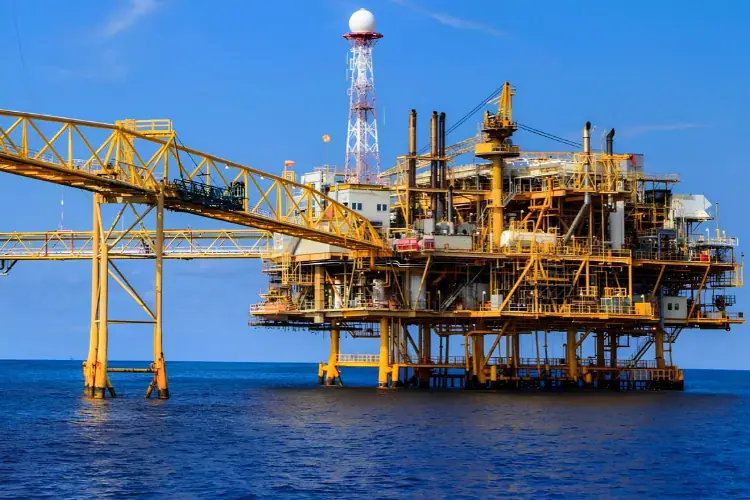
In a related effort, the Agence nationale des parcs nationaux (ANPN) is working on integrating 15 offshore sites into Gabon's future marine conservation framework. This initiative, presented at the recent Blue Forum in Libreville, aims to utilize these sites for monitoring the country's marine ecosystem without hindering industrial activities. The ANPN is exploring the recognition of these sites as "Other Effective Area-Based Conservation Measures" (OECMs), which would contribute to the country's conservation goals.
The integration of offshore sites into marine conservation efforts is part of a broader strategy to balance Gabon's energy interests with its international environmental commitments. Currently, 15 of the country's 20 marine protected areas (MPAs) include oil exploitation sites, covering approximately 30,000 km² of Gabon's exclusive economic zone (EEZ). By incorporating these sites into conservation efforts, the government aims to promote sustainable development and protect the country's marine biodiversity.
The revised oil code and the integration of offshore sites into marine conservation efforts reflect Gabon's desire for greater sovereignty over its natural resources. The code's emphasis on local content is expected to boost employment, skills transfer, and access to sectoral markets for Gabonese small and medium-sized enterprises (SMEs). This approach is aligned with the country's goal of maximizing the benefits of its oil resources while minimizing environmental impacts.
The validation of the maritime zoning plan, led by the ANPN, is expected in 2027, with implementation slated for October 1, 2029. This plan will enable Gabon to harmonize its energy interests with environmental protection goals, setting a precedent for sustainable development in the region. The country's commitment to conservation is further demonstrated by its participation in international programs, such as the ODEBAC program, which aims to promote sustainable management of marine resources in West and Central Africa.
The ODEBAC program, funded by the European Union to the tune of 27.55 billion FCFA over seven years, supports six beneficiary countries, including Gabon. This program will contribute to the development of Gabon's blue economy, promoting sustainable fishing practices, conservation of marine biodiversity, and improved management of marine resources. By engaging in these international initiatives, Gabon is demonstrating its commitment to environmental protection and sustainable development.
As Gabon moves forward with the implementation of its revised oil code and marine conservation efforts, the country is likely to face challenges and opportunities in balancing its energy interests with environmental protection goals. The success of these initiatives will depend on effective coordination between government agencies, industry stakeholders, and local communities. With careful planning and implementation, Gabon can achieve its goal of sustainable development while protecting its rich natural resources for future generations.
Key points
- The revised oil code will focus on adapting to deep offshore oil exploration, promoting local content, and training young Gabonese in the sector.
- The integration of 15 offshore sites into marine conservation efforts aims to promote sustainable development and protect Gabon's marine biodiversity.
- The validation of the maritime zoning plan is expected in 2027, with implementation slated for October 1, 2029.