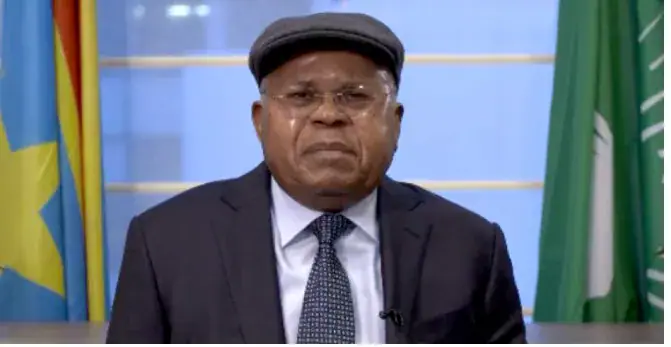
The National Assembly of the Democratic Republic of Congo has taken a significant step towards recognizing the contributions of five historical figures. On November 6, the assembly adopted a resolution to admit these individuals into the National Order of National Heroes, a prestigious honor reserved for those who have made outstanding contributions to the country's history. The five individuals set to receive this honor are Kimpa Vita, a prophétesse, Simon Kimbangu, a prophète, Dr. Étienne Tshisekedi, and Archbishops Christophe Muzihirwa and Emmanuel Kataliko.
This move aims to officially acknowledge the impact these figures have had on DR Congo's history and to pay tribute to their legacies. The resolution was passed with the understanding that it still requires further approval. It must now be reviewed by the Senate and subsequently submitted to the President of the Republic for the final stage of their admission into the National Order of National Heroes. If successful, they will join Patrice-Emery Lumumba and Laurent-Désiré Kabila, who are already recognized as National Heroes of DR Congo.
The initiative to honor these historical figures was spearheaded by André Mbata, a national deputy who introduced a project aimed at admitting certain historical personalities into the National Order of National Heroes. Initially, Mbata's list included Kimpa Mvita, Simon Kibangu, and Étienne Tshisekedi. However, two additional religious figures were later added to the list. The inclusion of these individuals reflects a broader effort to expand national recognition to other influential figures in the country's political, religious, and social history.
The adoption of this resolution by the National Assembly marks a crucial step in the institutional process of broadening national recognition. It highlights the government's commitment to celebrating the contributions of key figures who have shaped DR Congo's history. The resolution's progression through the Senate and to the President's desk will determine the fate of these five individuals' potential elevation to National Heroes status.
The DR Congo's National Order of National Heroes was established to honor individuals who have made significant contributions to the nation's development and history. By considering the admission of these five new figures, the country continues to reflect on its past and acknowledge those who have played pivotal roles in shaping its present. This process also underscores the importance of national heroes in fostering a sense of unity and shared identity among citizens.
The consideration of these historical figures for the National Order of National Heroes also brings attention to DR Congo's rich history and the diverse range of individuals who have contributed to its narrative. From religious leaders to political figures, the potential inductees represent various facets of Congolese society and their impact on the country's development. The final decision on their admission will likely be closely watched by the public and could have significant cultural and historical implications.
As the resolution moves forward, it will be important to see how these recognitions are perceived by the Congolese public and how they contribute to the country's ongoing conversations about its history and national identity. The inclusion of new figures into the National Order of National Heroes has the potential to inspire future generations and provide a more comprehensive understanding of DR Congo's complex past.
Key points
- The DR Congo's National Assembly has adopted a resolution to admit five historical figures into the National Order of National Heroes.
- The resolution must still be reviewed by the Senate and approved by the President before the five individuals can be officially recognized as National Heroes.
- This move reflects a broader effort to expand national recognition to influential figures in DR Congo's political, religious, and social history.