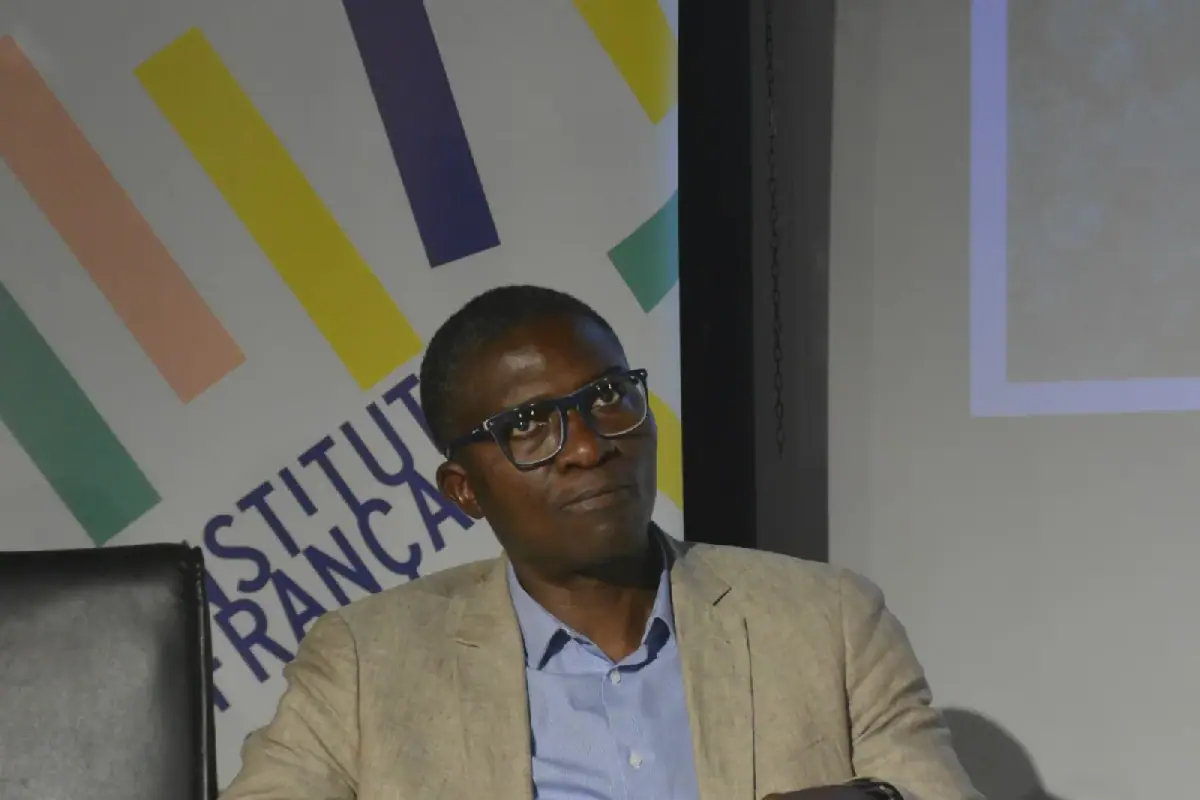
On November 25, 2026, Zobel Behalal, senior expert at the Global Initiative Against Transnational Organized Crime, addressed a conference at the French Institute of Gabon in Libreville. He emphasized that Gabon's recent withdrawal of 71 mining titles is a positive step, but it must be part of a broader strategy to combat transnational organized crime. Behalal's comments come in response to an audit conducted by Gabonese authorities between June and October 2026, which aimed to tackle the "mafia" in the mining industry.
Behalal welcomed the government's intention to regulate the mining sector, but warned that the issues surrounding the gold industry extend beyond the Ministry of Mines. He stressed that actors involved in the sector often have interests that go beyond the ministry's scope. The expert called for a comprehensive strategy to address these complex issues and ensure that the government's efforts are effective in the long term.
Behalal drew parallels with his recent work in Cameroon on critical minerals, highlighting that criminal networks often thrive in an environment that is conducive to crime. He suggested that certain structures or actors linked to the state apparatus may contribute to this environment. The expert cited the example of Yoko, a locality in the Ngounié province, where an economic operator with an official permit was suspected of illicit activities before the state revoked the permit.
According to Behalal, sustainable reform of Gabon's gold industry will require rigorous monitoring of administrative decisions to ensure that the government's regulatory efforts are not undermined by networks of influence. He emphasized that the government's will to regulate must be sustained over time to achieve lasting results. This will involve close collaboration between different government agencies and a commitment to transparency.
The expert's comments reflect concerns about the complexity of transnational organized crime and the need for a coordinated response. Behalal's work with the Global Initiative Against Transnational Organized Crime highlights the importance of addressing these issues through a comprehensive and multifaceted approach. His analysis suggests that Gabon's efforts to combat illegal mining must be part of a broader strategy to address the root causes of organized crime.
The Gabonese government has taken steps to address the issue of illegal mining, including the withdrawal of 71 mining titles. However, Behalal's comments emphasize that more needs to be done to ensure that these efforts are effective in the long term. The government's commitment to regulating the mining sector is a positive step, but it must be accompanied by a comprehensive strategy to address the complex issues surrounding the industry.
The conference at the French Institute of Gabon provided a platform for Behalal to share his expertise and highlight the need for a coordinated response to transnational organized crime. His comments are likely to inform ongoing efforts to reform Gabon's mining sector and address the challenges posed by organized crime. The government's response to these challenges will be closely watched by stakeholders, including civil society organizations and international partners.
Key points
- Expert Zobel Behalal calls for a comprehensive strategy to combat transnational organized crime in Gabon's mining sector.