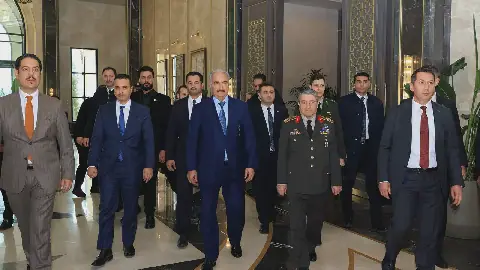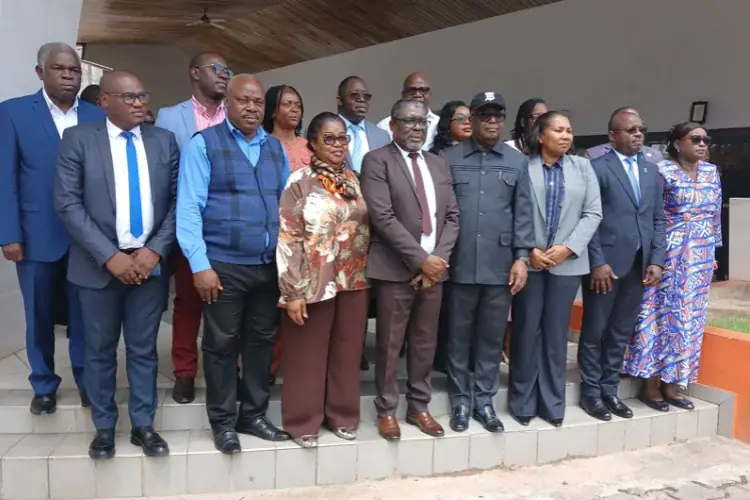
On November 23, 2026, Gabon's Minister of Labor, Adrien Nguema Mba, and Minister of Oil, Clotaire Kondja, convened a meeting in Port-Gentil with oil companies and service providers. The meeting aimed to address widespread irregularities in the oil sector, including non-compliance with labor laws and regulations. The ministers emphasized the need for companies to adhere to the law, warning that failure to do so would result in consequences.
The meeting focused on enforcing the country's labor code, which requires companies to obtain prior ministerial approval, engage in exclusive activities, and limit temporary work contracts to six months, renewable only once. Companies must also register with the National Social Security Fund (CNSS) and the National Health Insurance Fund (Cnamgs) and pay their employees' contributions. Minister Nguema Mba stressed that companies must take responsibility for their actions, citing Article 31 of the labor code, which stipulates shared responsibility between companies and their subcontractors.
Minister Nguema Mba denounced companies that operate without a physical presence, fail to pay contributions and taxes, and do not provide employees with their full contractual salaries. He warned that the era of impunity was over and that companies must comply with regulations or risk losing their operating permits. The minister also acknowledged that some major oil companies have a good track record but expressed concern about a lack of vigilance in monitoring subcontractors.
The president of the Gabonese Petroleum Employers' Union (UPEGA), Arthur Mbina Nzamba, responded to the ministers' concerns, advocating for companies to respect the law and regulations. He requested a schedule of upcoming inspections and clarification on their scope, including whether they would cover central offices or exploitation sites. Mbina Nzamba expressed willingness to expand the forum and emphasized the importance of having virtuous companies that respect the law.
The meeting was prompted by recent incidents, including the tragic events in Bécuna and Mayumba, which highlighted the need for stricter controls and better working conditions. The government's crackdown on non-compliant companies aims to protect workers and promote a healthier and more responsible oil sector. Minister Kondja reassured attendees that major oil companies are committed to best practices, but the government will monitor subcontractors closely.
Key aspects of the government's agenda include enforcing labor regulations, promoting shared responsibility among companies and subcontractors, and ensuring that companies pay their employees' contributions and taxes. The authorities will conduct inspections to verify compliance, and companies that fail to meet the requirements will face consequences. The goal is to create a more equitable and sustainable oil sector that benefits both companies and workers.
The government's efforts to reform the oil sector have been welcomed by industry stakeholders, who recognize the need for greater accountability and transparency. The upcoming inspections and stricter controls are expected to improve working conditions and promote a culture of compliance among oil companies and their subcontractors. By working together, the government and industry stakeholders aim to create a more responsible and sustainable oil sector in Gabon.
Key points
- The Gabonese government has launched a crackdown on oil companies that fail to comply with labor regulations and laws.
- Minister Nguema Mba emphasized shared responsibility between companies and subcontractors, citing Article 31 of the labor code.
- The government's efforts aim to promote a healthier and more responsible oil sector, protecting workers and promoting best practices.