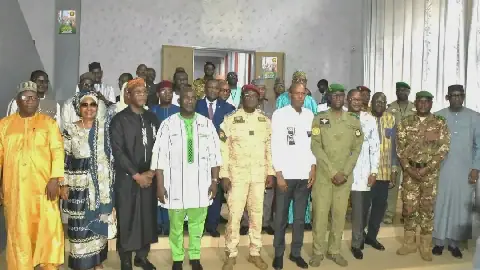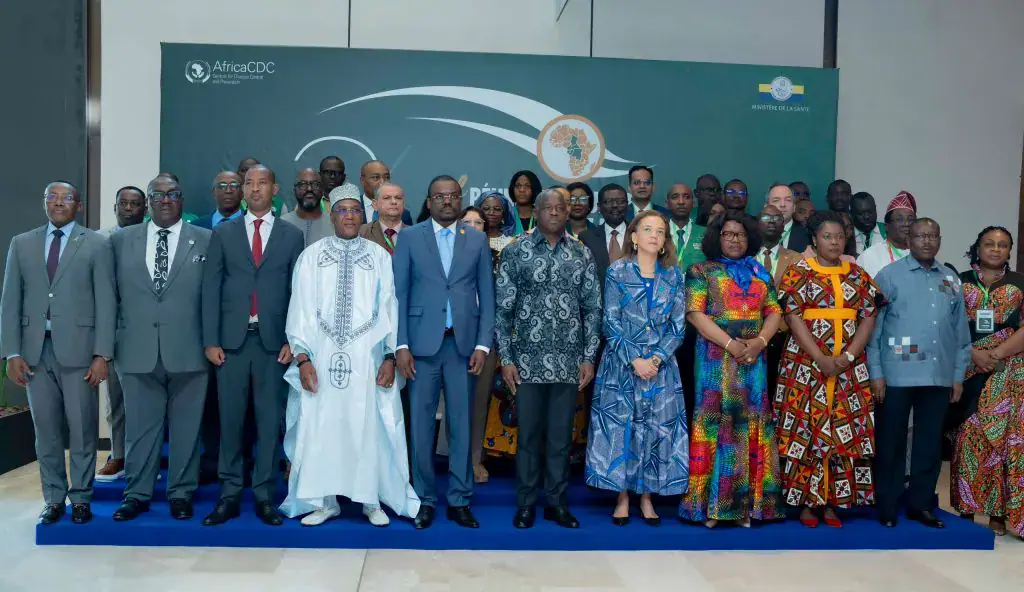
The third annual meeting of the Regional Steering Committee of the African Centers for Disease Control and Prevention (Africa CDC) was held in Libreville, Gabon, on Friday. The meeting brought together ministers of health from Gabon, Burundi, and Cameroon, as well as the director-general of Africa CDC, Dr. Jean Kaseya, and technical and financial partners. The meeting was placed under the high patronage of Gabonese President Brice Clotaire Oligui Nguema and attended by Vice President Hermann Immongault.
The meeting focused on strengthening prevention, preparedness, and response to health emergencies, as well as the continental vaccination strategy for 2026-2030 and the establishment of group purchasing mechanisms for health products. The goal is to consolidate regional health security in the face of cross-border threats. The discussions also covered the response to health emergencies, particularly in the context of the Ebola virus.
Vice President Hermann Immongault emphasized the need for strengthened cooperation between states in the face of health threats. He stressed that health threats do not recognize administrative borders or geographical limits, and that a collective responsibility is required to prevent rather than suffer, and to anticipate rather than react late. Immongault called for a genuine regional capacity for vigilance, early detection, and coordinated response to health emergencies.
Gabonese Health Minister, Professor Elsa Nkana Joséphine Ayo épouse Bivigou, highlighted the importance of the meeting in defining strategic orientations in public health. She expressed the wish that the discussions would lead to appropriate orientations in the fight against diseases, particularly pandemics, to contribute to the construction of more effective and resilient health systems.
Burundian Health Minister, Dr. Fidèle Nkezabahizi, called on participants to move from dialogue to concrete implementation of resolutions. He announced that Burundi would sign the group purchasing mechanism (APPM) and expected similar commitments from Cameroon and Gabon. The meeting also heard from Cameroonian Health Minister, Dr. Manaouda Malachie, who advocated for a collective response to health threats and stressed the need to strengthen pharmaceutical sovereignty through group purchases and local industry development.
The meeting resulted in several recommendations, including the strengthening of health emergency management mechanisms, improved coordination between member states, and the promotion of local production of health products. The recommendations aim to enhance regional health security and preparedness in the face of health threats.
The next step will be the signing of the group purchasing mechanism by the countries involved, with a follow-up meeting scheduled for November 23 in Addis Abeba, Ethiopia. The meeting in Libreville demonstrated the commitment of Central African countries to addressing health emergencies and strengthening regional health security.
Key points
- Central African countries agree to strengthen cooperation on health emergencies
- Regional meeting in Libreville focuses on prevention, preparedness, and response to health threats
- Countries commit to signing group purchasing mechanism to enhance pharmaceutical sovereignty
Reporting sources
- Gabon/Santé : les pays d’Afrique centrale mobilisés contre les urgences sanitaires · Gabon Press Agency