The Gabonese civil society organizations focused on natural resource governance have announced that the country may face suspension from the Extractive Industries Transparency Initiative (ITIE) by December 31. This potential suspension is due to the Ministry of Economy, Finance, and Fight against High Cost of Living withholding funds necessary for the deployment of the ITIE work plan and payment to the independent cabinet responsible for reconciling data in the 2024 ITIE report.
The civil society organizations argue that this blockade is an administrative obstacle contradicting the vision of President Brice Clotaire Oligui Nguema. They warn that a suspension would send a negative signal to technical and financial partners, international investors, and rating agencies, thereby undermining Gabon's image as a country committed to financial orthodoxy and transparency.
A suspension from ITIE would have significant consequences for Gabon, including reduced capacity to mobilize public revenue and a direct impact on citizens and local communities. ITIE allows for the tracking of every franc generated by Gabon's extractive industries. Excluding this tool would weaken the state's ability to optimize the collection of national resources, particularly at a time when the country needs to finance its development.
The civil society organizations stress that blocking transparency would deprive local communities of their legitimate rights. They are calling for government intervention to remove these administrative hurdles and ensure the sustainable financial autonomy of the ITIE process through future finance laws.
The potential suspension of Gabon from ITIE comes at a critical time when the country is seeking to strengthen its economic governance and attract investment. The ITIE is a global standard for transparency in the extractive industries, and membership is seen as a mark of a country's commitment to good governance and accountability.
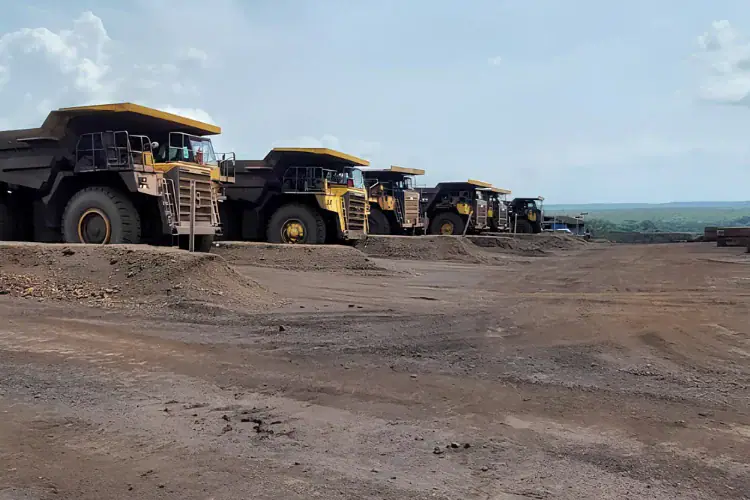
Gabon's participation in ITIE is crucial for ensuring that the revenues generated from its natural resources are managed transparently and accountably. The country's extractive industries, including oil, mining, and logging, play a significant role in its economy, and the ITIE helps to ensure that the benefits of these industries are shared equitably among all stakeholders.
The civil society organizations' call for government intervention highlights the need for urgent action to resolve the issue and avoid a suspension that could have far-reaching consequences for Gabon's economy and reputation.
Key points
- The blockade of funds by the Ministry of Economy, Finance, and Fight against High Cost of Living is an administrative obstacle that contradicts President Brice Clotaire Oligui Nguema's vision for transparency and good governance.