A delegation of mayors from Gabon has traveled to Ghana to discover specialized companies in waste management and transformation, with the goal of bringing solutions back to their country. While the intention may seem commendable, it has sparked criticism from some who argue that local solutions already exist in Gabon. The country's youth have developed innovative approaches to waste management, including recycling and transforming waste into valuable products.
One such example is Revadac, a Gabonese company founded by Paul Alogui Lavoula, which has transformed the country's open-air dumpsites into raw materials. The company has grown from two employees two years ago to ten today, and now valorizes 25 tons of plastic per month, up from 5 tons previously. Another example is CleanPro, which has developed a web and mobile application to collect waste door-to-door in under-integrated neighborhoods of Libreville, Owendo, and Akanda, and transforms it into biofertilizers and packaging.
The criticism of the Gabonese delegation's trip to Ghana centers on the fact that local solutions like Revadac and CleanPro already exist, and that the government should be supporting these initiatives rather than seeking solutions abroad. Many young Gabonese have been encouraged to become entrepreneurs, particularly in the area of circular economy, but are struggling to access markets and secure public contracts. The government's decision to send a delegation to Ghana has been seen as a paradox, as it appears to be promoting entrepreneurship while also overlooking local solutions.
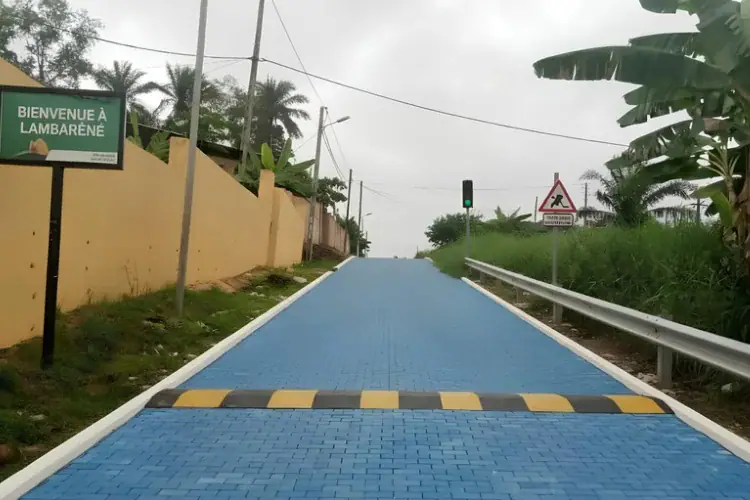
The author of the article, MG.NTOUTOUME-NDONG, argues that the trip to Ghana will cost millions in travel, accommodation, and per diem, and that this money could have been better spent supporting local startups. The article also highlights the success of young Gabonese entrepreneurs who have developed innovative solutions to waste management, including the production of pavers, furniture made from used tires, and compost.
The issue has sparked a wider debate about the approach to waste management in Gabon, and the role of local entrepreneurs in addressing the country's challenges. Some have argued that the government should prioritize supporting local solutions, rather than seeking external answers. Others have pointed out that the delegation's trip to Ghana may be seen as a way of avoiding the challenges of working with local entrepreneurs.
The controversy surrounding the Gabonese delegation's trip to Ghana highlights the complexities of addressing development challenges in Africa. While it is understandable that countries may seek to learn from others and adopt best practices, it is also important to recognize the value of local solutions and to support domestic entrepreneurship. In the case of Gabon, it remains to be seen how the government will respond to the criticism and whether it will prioritize supporting local initiatives.
The Revadac company's success in transforming waste into valuable products is a testament to the potential of local entrepreneurship in Gabon. The company's growth from two to ten employees and its increase in plastic valorization from 5 to 25 tons per month demonstrate the impact that local solutions can have on waste management. As the government considers its approach to waste management, it will be important to consider the role that local entrepreneurs like Revadac can play in addressing the country's challenges.
Key points
- The Gabonese delegation's trip to Ghana has sparked criticism that local waste management solutions are being overlooked.
- Local companies like Revadac and CleanPro are already developing innovative solutions to waste management in Gabon.
- The government should prioritize supporting local entrepreneurship and solutions rather than seeking external answers.