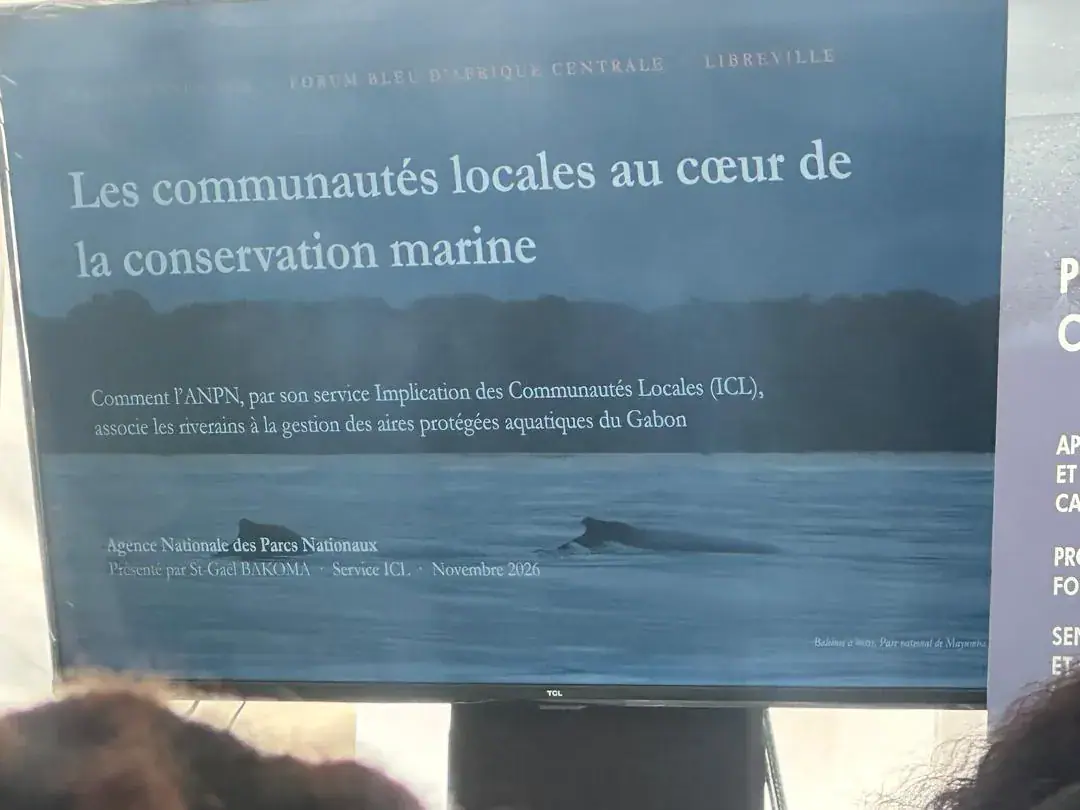
In Libreville, a recent panel discussion on community-led conservation approaches highlighted the role of local communities in managing marine resources. Associations and NGOs from the sub-region shared their experiences, emphasizing the importance of preserving and transmitting cultural values. The discussion showcased various communities along the Gabonese coast, including the Benga people, who specialize in fishing for seafood, and the Association of Oyster Fishermen of Banio.
The Benga people, based in Cap Estérias, have a unique tradition of passing down their fishing knowledge and skills to their daughters and women. This cultural practice is an integral part of their identity. In contrast, the Association of Oyster Fishermen of Banio, with 300 members, has implemented a one-year biological rest period to allow for the reproduction of oysters. This conservation effort aims to ensure the long-term sustainability of their fishing activities.
The Gabonese Federation of Artisanal Fishermen (FEGAPA) plays a crucial role in promoting sustainable fishing practices. By educating its members on the importance of respecting laws and regulations, FEGAPA contributes to the preservation of marine resources. With the support of NGOs, these communities are now more aware of the need to protect marine protected areas (AMPs). The use of technology, such as the LocusMap software, has enabled them to identify and locate 20 AMPs.
Various communities in the region have adopted different fishing techniques, including line fishing, tidal fishing, and shore-based fishing. These methods not only help preserve marine ecosystems but also allow for the transmission of ancestral knowledge. To reduce pressure on marine resources, community members are transforming their products into income-generating activities, such as drying, smoking, and producing oil.
The panel discussion also featured experiences from other countries in the region. For example, the Academy of Young Girls in Ebodjé, Cameroon, has launched an initiative to promote the blue economy. By transforming marine products and training young girls in local gastronomy and crafts, the academy aims to preserve ancestral heritage. Similarly, a fisherman from São Tomé and Principe has taken steps to protect rays, which are often threatened by overfishing.
The engagement of local communities in marine conservation efforts is crucial for the long-term sustainability of marine resources. By working together with NGOs and government agencies, these communities can ensure the preservation of their cultural heritage and the protection of marine ecosystems. The sharing of experiences and best practices among communities in the region can also help promote sustainable fishing practices.
The efforts of these communities have shown that sustainable fishing practices can be achieved while preserving cultural traditions. As Rose Tonda, a specialist in community engagement, noted, the involvement of local communities is essential for the effective conservation of marine resources. By supporting these initiatives, stakeholders can help ensure the long-term health of marine ecosystems and the well-being of communities that depend on them.
Key points
- Local communities in Gabon are working to preserve marine resources while promoting cultural heritage through sustainable fishing practices.