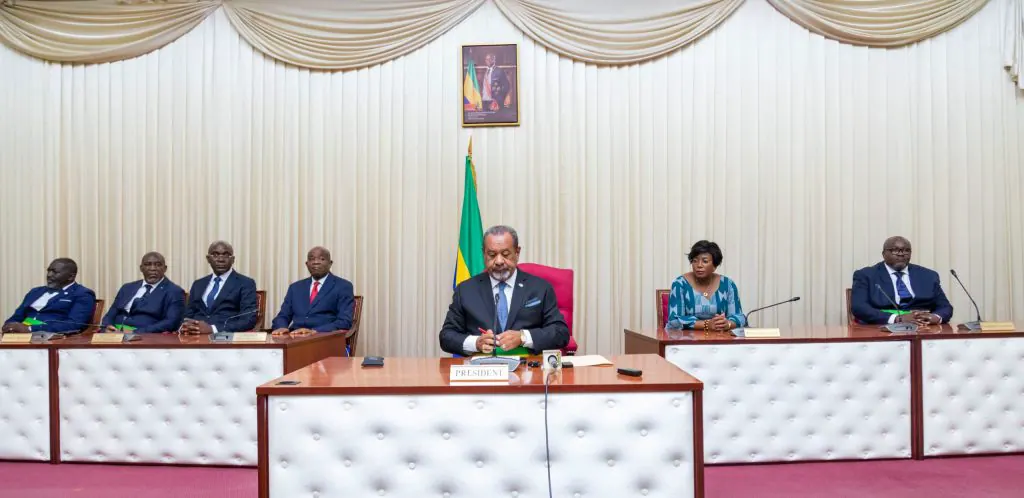
The Gabonese Economic, Social, Environmental and Cultural Council (CESEC) has wrapped up its second ordinary session of 2026, presenting a series of recommendations to the government. The session, which concluded on September 29, 2026, addressed critical issues such as the recognition of customary land rights and improvements to the healthcare budget. CESEC President Guy Bertrand Mapangou emphasized the need to address a "legal vacuum" regarding land ownership.
One of the key recommendations made by the CESEC is the integration of customary land rights into the national land code. This move aims to secure the rights of local communities and indigenous peoples, who are heavily dependent on land and natural resources. The institution argues that it is essential to reconcile traditional practices with modern laws, ensuring that the rights of all stakeholders are protected.
The CESEC also called for the recognition of communal territories and collective usage rights. This involves distinguishing between physical land, rights to the land, and its legal status. Furthermore, the institution recommended identifying and protecting ancestral lands and sacred sites. These proposals seek to provide a more comprehensive and inclusive approach to land management in Gabon.
In the healthcare sector, the CESEC highlighted persistent challenges in accessing medical care and medication. To address these issues, the institution suggested increasing the healthcare budget to at least 15% of the state's budget, as recommended by the Abuja Declaration. Currently, the healthcare sector's budget falls short of this threshold.
The CESEC also proposed measures to improve the management of healthcare resources. These include enhancing the execution of the healthcare budget by the Treasury, which currently stands at around 10%, despite a commitment rate of 95%. The institution also recommended developing synergies between the Nkok pharmaceutical factory, the National Pharmaceutical Office, and the Medicines Agency to prevent stock shortages.
Additionally, the CESEC suggested supporting the state's entry into the capital of the Nkok pharmaceutical factory and reducing the financial burden on the CNAMGS to prevent vulnerable populations from forgoing necessary medical care. These recommendations aim to strengthen the healthcare system and ensure better access to medical services for all Gabonese citizens.
The CESEC has urged the government and Parliament to implement these recommendations, in line with Article 149 of the Constitution. The institution's proposals are the result of several weeks of work and consultations with government members and experts. The CESEC's reflections will continue, particularly in preparation for the examination of the 2027 initial finance bill.
Key points
- The CESEC recommends integrating customary land rights into Gabon's land code to secure the rights of local communities and indigenous peoples.
- The institution suggests increasing the healthcare budget to at least 15% of the state's budget, as recommended by the Abuja Declaration.
- The CESEC proposes developing synergies between the Nkok pharmaceutical factory, the National Pharmaceutical Office, and the Medicines Agency to prevent stock shortages.