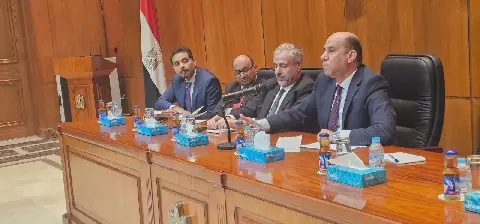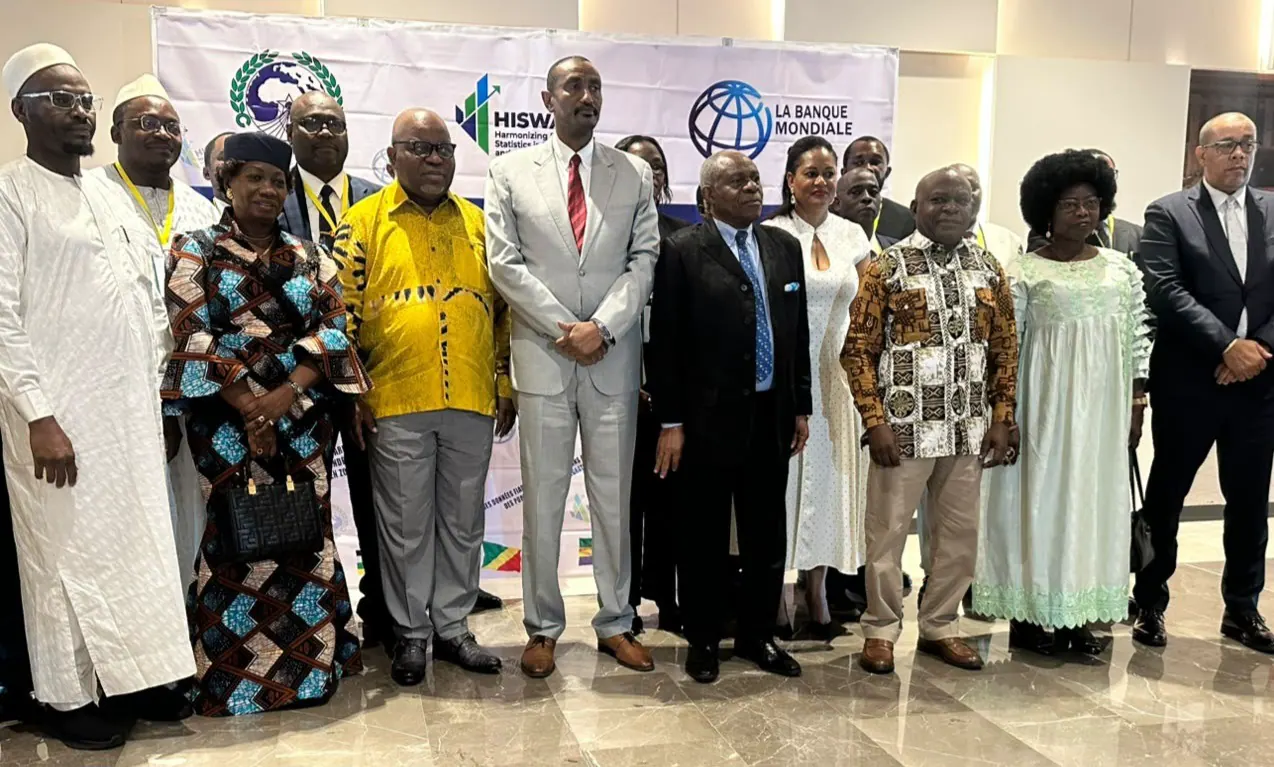
The Minister of Universal Access to Water and Energy, Philippe Tonangoye, opened the ministerial meeting of CEMAC Energy Ministers at the Omar Bongo Ondimba Congress Palace in Libreville on September 25, 2026. The meeting focused on the Regional Energy Information System. Tonangoye emphasized that energy remains a crucial factor in the development of the sub-region, highlighting its role in production, industrialization, and economic competitiveness.
Tonangoye stressed the importance of reliable and competitive energy for education, healthcare, and the structural transformation of CEMAC economies. He noted that the Regional Energy Information System will play a strategic role in providing harmonized, reliable, and comparable data for CEMAC states. The minister also emphasized the need to improve the quality of energy statistics, focusing on accuracy, coherence, and timeliness.
The meeting was attended by CEMAC Commission President, Baltasar Engonga Edjo’o, and African Energy Commission Executive Director, Rashid Ali Abdallah Hamid. Engonga Edjo’o highlighted that the Regional Energy Information System is a central tool for implementing the 2017 Central African Energy Policy, which aims to develop quality energy infrastructure by 2035. The policy seeks to support national network interconnections and create a regional electricity market.
Engonga Edjo’o emphasized that the Regional Energy Information System goes beyond data collection, serving as a catalyst for community policies and economic convergence. By establishing common data collection and validation protocols, the system will standardize energy indicators and inform regional governance with tangible evidence. This will enable more effective policy implementation and evaluation.
Rashid Ali Abdallah Hamid noted that energy data allows governments to understand their systems, anticipate future needs, plan investments, and evaluate progress in energy access and transition. He stressed that reliable data is essential for effective planning, and the African Energy Commission is supporting member states in establishing and improving national and regional energy information systems.
The African Energy Commission is implementing an action plan to enhance institutional, technical, human, and organizational aspects of energy information systems. This support aims to help CEMAC countries and other regional communities improve their energy data management and policy implementation.
The Libreville meeting brings together energy ministers and regional experts to discuss the development of the Regional Energy Information System and its role in promoting energy cooperation and economic integration in CEMAC. The outcome of the meeting is expected to contribute to the growth and development of the sub-region.
Key points
- CEMAC ministers focus on the Regional Energy Information System to enhance energy cooperation and economic integration.
- The system aims to provide harmonized, reliable, and comparable energy data for CEMAC states.
- The meeting seeks to promote energy access, transition, and policy implementation in the sub-region.