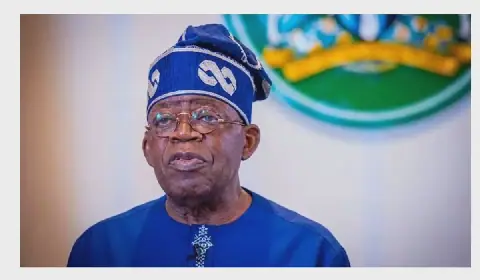
The Fair Wages and Salaries Commission's CEO, Dr. George Smith-Graham, has proposed a regional approach to address the backlog of teacher promotions in Ghana. He believes that processing promotions nationwide at once is overwhelming the system, leading to delays in payment of arrears owed to teachers. Currently, 29,000 teachers remain stuck awaiting promotion amid an ongoing strike. Dr. Smith-Graham suggests that the Ghana Education Service consider processing promotions at the regional level.
Dr. Smith-Graham explained that the current nationwide model creates an administrative bottleneck that slows down payment of arrears. The Controller and Accountant-General's Department has to process an enormous volume of data all at once, which becomes overwhelming and delays disbursement. He believes that breaking the process into regional batches would make it more manageable and could prevent delays. This approach would allow for clearing one region's claims and payments before moving on to the next.
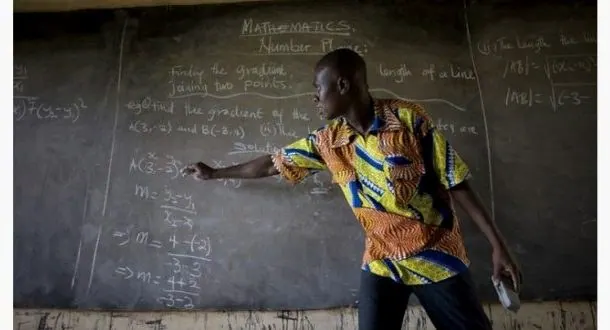
The proposal comes amid concerns over the pace of promotions raised by the National Association of Graduate Teachers. NAGRAT President Jacob Anaba stated that the government had missed its deadline to clear 51,000 pending teacher promotions, with 29,000 cases still unresolved. This backlog has become a central grievance driving the ongoing nationwide teachers' strike. Efforts to resolve the dispute through negotiation have so far failed.
Talks between the Fair Wages and Salaries Commission and teacher unions, including GNAT, NAGRAT, and PRETAG, collapsed without an agreement, leaving the strike to continue. The disruption has had ripple effects beyond classrooms, with school feeding caterers' produce rotting as schools remain shut. Dr. Smith-Graham's comments confirm that delays are, at least in part, a structural problem with how GES and the Controller and Accountant-General's Department process claims nationally.
If GES adopts a regional model, it could mean some teachers in certain regions see their arrears cleared sooner than others. However, no timeline for such a shift has been given. The FWSC CEO's remarks do not say when the current backlog of 29,000 cases will be resolved, nor whether the regional approach would apply retroactively to clear it or only to prevent future delays.
The FWSC boss also addressed the idea that nothing had been done on outstanding promotion claims. He explained that the data initially submitted to the Controller and Accountant-General's Department had already been processed and paid, but additional claims have since emerged that are still being validated. Once validation is complete, supplementary payment vouchers would need to be prepared before those arrears can be settled.
With talks between government and unions broken down and no new date announced for renewed negotiations, it remains unclear when the strike will be called off. The situation has created uncertainty for teachers and students, and a resolution is being awaited.
Key points
- The FWSC CEO proposes processing teacher promotions region by region to address the backlog of 29,000 pending cases.
- The current nationwide model creates an administrative bottleneck that slows down payment of arrears.
- The regional approach could prevent delays and make the process more manageable.