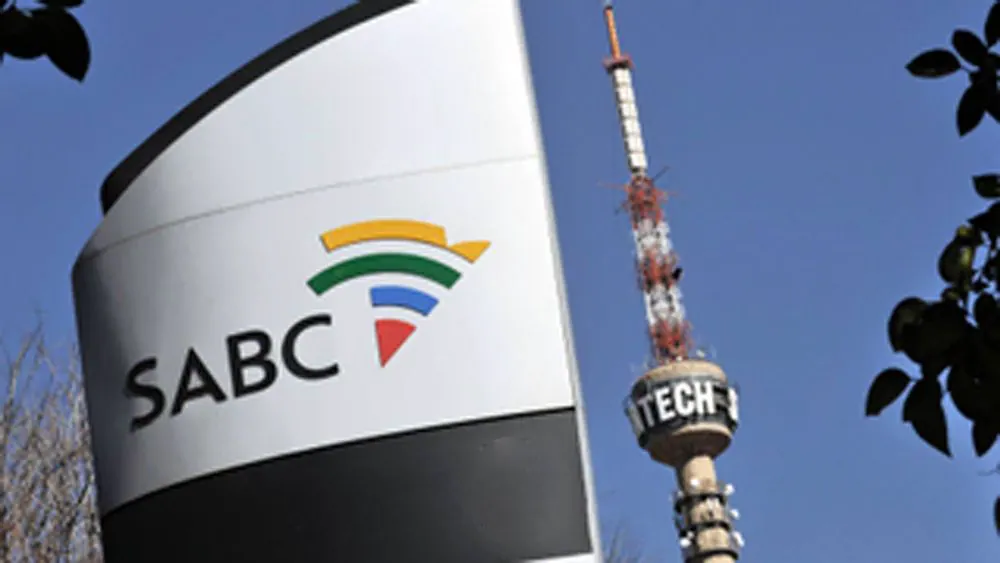
The South African Broadcasting Corporation (SABC) has warned that uncertainty over its R120 million election funding request could impact the scope, depth, and technical capability of its coverage for the local government elections on November 4. According to Nomsa Chabeli, SABC's chief executive, the broadcaster will cover the elections regardless of the funding outcome, but its plans will need to be modified based on available resources. The funding request has been under discussion for months, with the SABC requiring the additional funds to support personnel, technology, and broadcasting infrastructure needed for the elections.
The SABC's election operation includes news coverage, election programming, voter education, political debates, outside broadcasts, and the dissemination of election results. Chabeli stated that the broadcaster is working with the Electoral Commission of South Africa on arrangements for results operations and is preparing data and results systems that need to be tested before election day. However, the broadcaster is dealing with ageing technology infrastructure, with Chabeli acknowledging that the SABC's technology infrastructure has reached the end of its life, adding to the pressure as it finalizes its election deployment and technical requirements.
Communications and Digital Technologies Minister Solly Malatsi has engaged with Finance Minister Enoch Godongwana and President Cyril Ramaphosa to find a way to assist the SABC, but no immediate resolution has been reached. Malatsi stated that further clarity is expected through the adjustments-budget process. Acting director-general Gcobisa Soci said the department has submitted its budget request to National Treasury and is awaiting a response, adding that the department will examine whether savings can be redirected to assist the SABC with the elections.
The funding uncertainty has prompted MPs to question what the SABC will have to reduce if the additional money is not secured. ANC MP Imraan Subrathie questioned how the broadcaster can recruit and train people in time for the elections without knowing what resources will ultimately be available. EFF MP Sixolise Gcilishe raised concerns about political parties receiving fair and equitable coverage during the election period, while MK Party MP Adil Nchabeleng questioned what the minimum funding requirement would be for the SABC to provide adequate election coverage.
Malatsi rejected suggestions that political parties are being deliberately excluded from the SABC's coverage, cautioning against attempts to pressure SABC management into making editorial pronouncements about individual parties. He stated that the SABC has continued to provide election-related programming despite its financial constraints, including mayoral debates and manifesto launches. Malatsi also called on political parties to honour invitations from the broadcaster to participate in election programming.
Chabeli stated that election preparations also include measures to deal with misinformation, deepfakes, and manipulated content that could circulate during the campaign and voting period. The broadcaster will rely on verification processes, partnerships, and human oversight to assess election-related information before it is broadcast. She also highlighted the importance of language in the SABC's radio services and the controls required to manage language coverage during the elections.
The SABC received R35 million in dedicated funding for the 2024 elections and resubmitted its funding request to Treasury in August, but the money remains outstanding. Chabeli emphasized that the resilience of delivery on November 4 will depend on funding availability and decisions taken now. The SABC's board oversight will also play a crucial role in ensuring the broadcaster's election coverage meets the required standards.
Key points
- SABC requires R120 million in funding for local government elections coverage.
- Funding uncertainty may impact coverage scale and technical capacity.
- SABC has ageing technology infrastructure, adding to election coverage challenges.