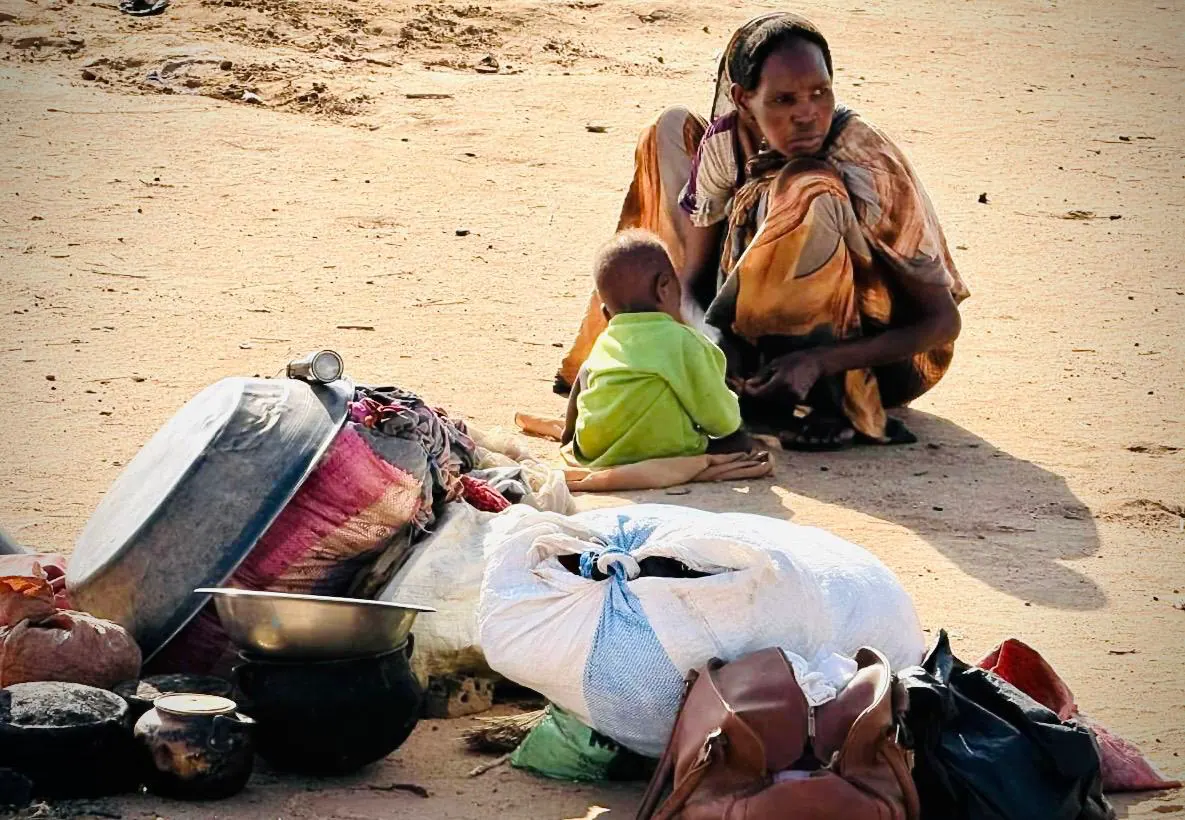
The United Nations Office for the Coordination of Humanitarian Affairs (OCHA) has warned that the ongoing conflict, climate shocks, and funding shortages continue to impact the lives of civilians in Sudan. According to OCHA, funding gaps are threatening vital water services in the states of North Kordofan and North Darfur. The organization has expressed concern over the situation in Al-Abouid and Toule, where water transport services are at risk due to rising fuel prices and insufficient funding.
In Al-Abouid, which hosts over 9,000 displaced families, the water transport service by tanker is facing severe challenges. The rising cost of fuel and lack of funding have put the service at risk, leaving thousands of people without access to safe drinking water. Similarly, in Toule, which is home to 625,000 displaced individuals, the water transport service is expected to decline sharply in the coming months if additional funding is not received. The service currently provides up to 2,500 cubic meters of water daily to 150,000 people.
OCHA has called for additional funding to expand life-saving assistance, highlighting that the 2026 Humanitarian Needs and Response Plan requires $2.9 billion to reach over 20 million people. However, the plan has only been funded by 43%, with $1.2 billion received so far. The organization emphasized that without sufficient funding, vital services such as water transport will continue to be severely impacted, exacerbating the humanitarian crisis.
The humanitarian situation in Sudan remains dire, with millions of people displaced and in need of assistance. The conflict, which began in 2023, has resulted in widespread destruction, displacement, and loss of life. The situation is further complicated by climate shocks, including droughts and floods, which have affected agricultural production and access to basic services.
In addition to the funding shortages, OCHA reported that at least one civilian was killed, and two civilian facilities – a university and a sports stadium – were damaged in drone attacks on Monday. The attacks highlight the ongoing security concerns in the country and the need for a peaceful resolution to the conflict.
The situation in Al-Abouid and Toule is particularly concerning, with thousands of displaced people relying on the water transport service for their daily needs. If the service is disrupted, it could lead to a severe water crisis, with potential health implications for the affected populations. OCHA's warning highlights the urgent need for funding to support humanitarian efforts in Sudan.
The international community has been urged to provide additional funding to support humanitarian efforts in Sudan. The country's humanitarian response plan is severely underfunded, and without sufficient resources, vital services such as water transport will continue to be impacted. The situation requires immediate attention and support to prevent further humanitarian crises.
Key points
- Funding shortages threaten water transport services in Al-Abouid and Toule, putting thousands of lives at risk.
- Sudan's 2026 Humanitarian Needs and Response Plan requires $2.9 billion but has only been funded by 43%.
- OCHA reports that at least one civilian was killed and two civilian facilities damaged in recent drone attacks.