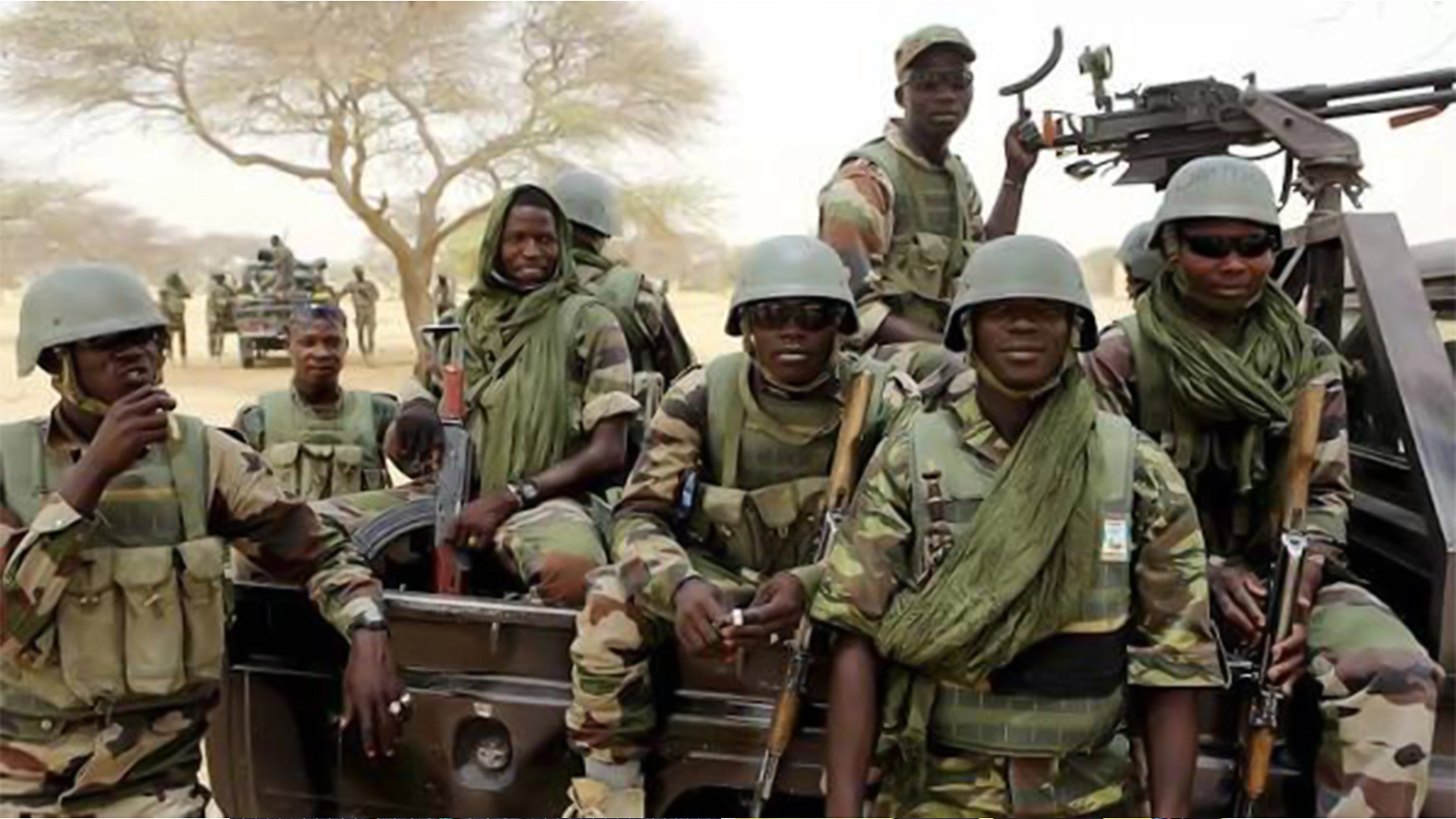
Nigeria is shouldering a significant share of the financial, troop and logistical burden of the Multinational Joint Task Force (MNJTF) as persistent funding and capability gaps threaten efforts to contain the Boko Haram and Islamic State West Africa Province (ISWAP) insurgency across the Lake Chad Basin. The MNJTF, comprising Nigeria, Cameroon, Chad, Niger and Benin, was established as a regional response to the Boko Haram insurgency and later expanded its focus as ISWAP emerged as a major threat in the region.
Defence Minister Christopher Musa has called for greater African ownership of the financing and sustenance of regional security mechanisms amid continued reliance on support from international partners. Musa raised the issue during a high-level discussion organised by the Ministry of Defence on the margins of the 81st United Nations General Assembly High-Level Week in New York. He argued that countries benefiting directly from regional security arrangements must increasingly take responsibility for sustaining them.
Nigeria has continued to shoulder a significant portion of the financial, troop and logistical burden of the regional force, with records from the Lake Chad Basin Commission showing that Nigeria directly disbursed about $209.08 million to the MNJTF between 2015 and 2021. However, the current consolidated financial contribution of each of the troop-contributing countries remains unclear. The funding challenge has put the sustainability of the regional force under scrutiny.
The European Union, the largest external contributor to the MNJTF, has provided €234.4 million to date, covering areas including operational and logistical support, mobility, medical services, intelligence, surveillance and reconnaissance, infrastructure and equipment. The United Kingdom has also mobilised £5 million through the African Union Commission, while the African Union in May 2026 provided $1 million from its Peace Fund Crisis Reserve Facility.
The scale of the external support highlights the context of Musa’s call for greater regional ownership, even as the African Union has raised concerns over significant funding and capability gaps affecting the MNJTF. At its 1,347th Peace and Security Council meeting held on May 18, 2026, the AU acknowledged Nigeria’s unwavering leadership and commitment in providing critical logistical support to the fight against Boko Haram and other armed groups in the Lake Chad Basin.
The worsening violence has triggered fresh displacement, with the United Nations High Commissioner for Refugees (UNHCR) reporting that more than 3.5 million people are forcibly displaced across the wider Lake Chad Basin, while 8.2 million people require humanitarian assistance. Since January 2026, more than 77,500 people have been displaced across Nigeria, Cameroon, Chad and Niger, including more than 16,000 people who fled attacks in northeastern Nigeria into Niger’s Diffa region.
According to the UNHCR, recorded security incidents across the region increased by 80 per cent between January 2024 and April 2026. Between September 2025 and May 2026 alone, nearly 1,800 security incidents and more than 5,700 fatalities were recorded across the Basin. The incidents included attacks on civilians, killings, kidnappings, explosions, clashes between armed groups and raids on villages, emphasizing the need for sustained efforts to address the crisis.
Key points
- Nigeria bears 72% of regional displacement burden amid Boko Haram, ISWAP attacks
- $209m disbursed by FG between 2015 and 2021, EU commits €234.4m in 10 years
- 80% rise in security incidents recorded in two years across Lake Chad Basin