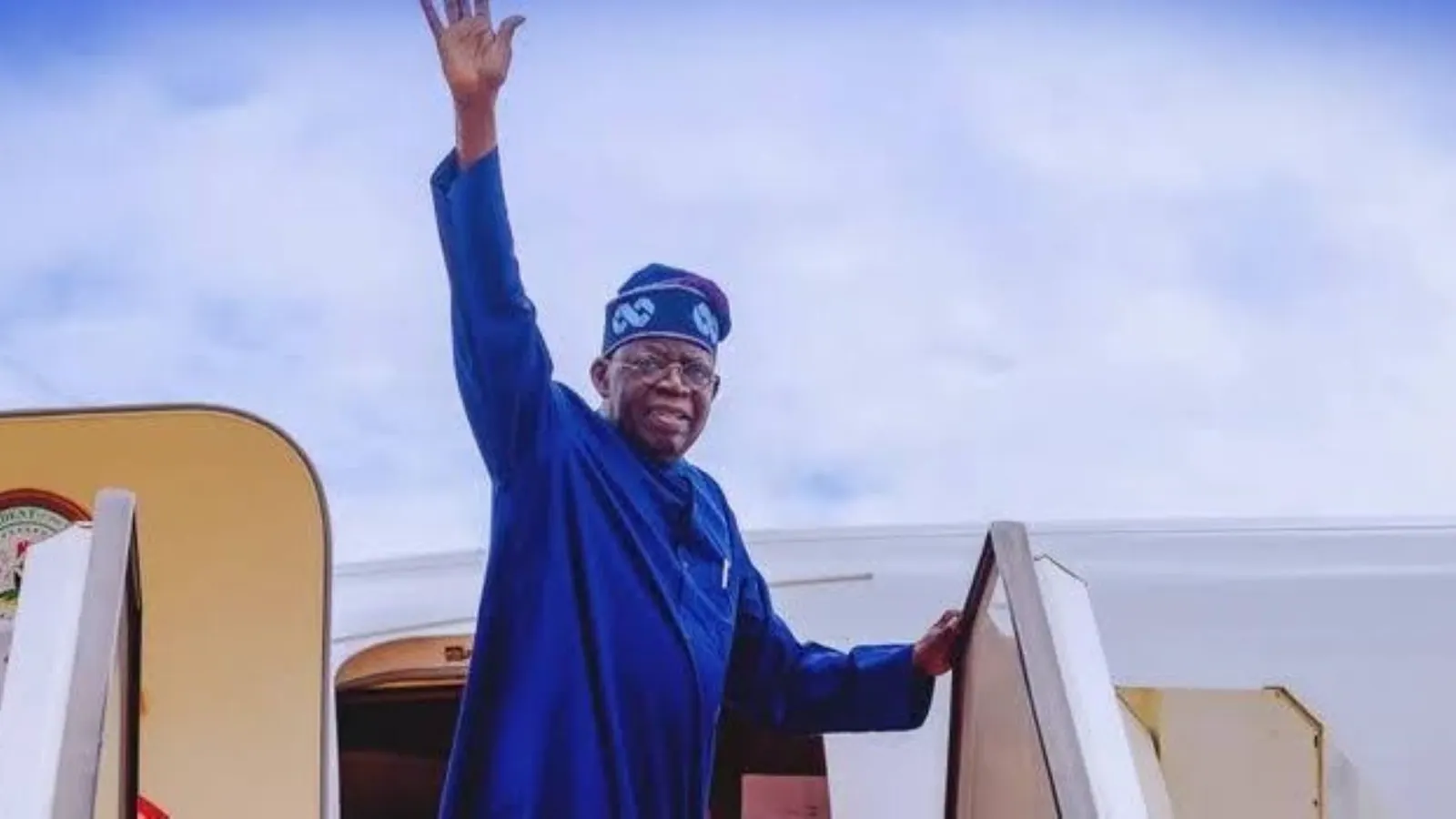
The Independent Media and Policy Initiative (IMPI) has expressed support for President Bola Tinubu's decision to remove fuel subsidy, citing the provisions of the Petroleum Industry Act (PIA). According to IMPI, Tinubu's declaration that "subsidy is gone" during his inauguration on May 29, 2023, was not a new policy decision but an affirmation of the reality created by the 2021 PIA. The PIA provided for the end of government intervention in the downstream petroleum sector from June 2023.
IMPI argued that delaying the announcement would have created greater economic distortions, including hoarding, artificial scarcity, and cross-border diversion of petroleum products. The group said the President's unscripted declaration provided a decisive signal that the transition to a subsidy-free regime had begun. IMPI's Chairman, Dr. Omoniyi Akinsiju, signed a policy statement on Wednesday, emphasizing that the declaration served as a decisive policy signal to close the transition window and eliminate administrative ambiguity.
The policy research group noted that any staggered approach could have encouraged marketers and other operators to exploit the remaining subsidized inventory by engaging in speculative hoarding and diversion. By ending the subsidy on day one, the administration signaled to international financial markets, rating agencies, and domestic stakeholders that Nigeria was committing to long-term structural reforms. This, IMPI said, enabled the Federal Government to redirect resources previously used for subsidy payments.
IMPI listed several measures introduced by the administration to cushion the impact of higher petrol prices on Nigerians. These include the Presidential Compressed Natural Gas Initiative (PCNGi), designed to provide a cheaper alternative to petrol for mass transit and commercial transportation. The group also cited increased allocations from the Federation Account Allocation Committee (FAAC), temporary wage awards for public sector workers, the new national minimum wage, and targeted conditional cash transfers for vulnerable households.
The administration has also made efforts to expand domestic refining capacity, culminating in the naira-for-crude policy, aimed at reducing foreign exchange-related bottlenecks in supplying crude to domestic refineries. However, IMPI criticized proposals by some presidential candidates, including Atiku Abubakar and Peter Obi, advocating a return to some form of fuel subsidy. The group described these positions as economically dangerous.
IMPI particularly faulted Atiku's proposal for the government to supply crude oil to local refineries at discounted or fixed below-market prices, arguing that the arrangement would amount to a "production subsidy" and create another major drain on public finances. The policy group also questioned the assumption that the government has unlimited crude oil available to subsidize domestic refining.
IMPI warned that policies promising cheap energy through state-mandated crude discounts could prove fiscally unsustainable. The group maintained that rather than returning to subsidy, policymakers should focus on strengthening domestic refining, expanding alternative energy sources, and ensuring that the benefits of increased government revenues translate into tangible relief for households and businesses.
Key points
- IMPI supports Tinubu's decision to remove fuel subsidy, citing PIA provisions.
- The group criticizes proposals by Atiku Abubakar and Peter Obi advocating a return to fuel subsidy.
- IMPI recommends strengthening domestic refining, expanding alternative energy sources, and ensuring tangible relief for households and businesses.