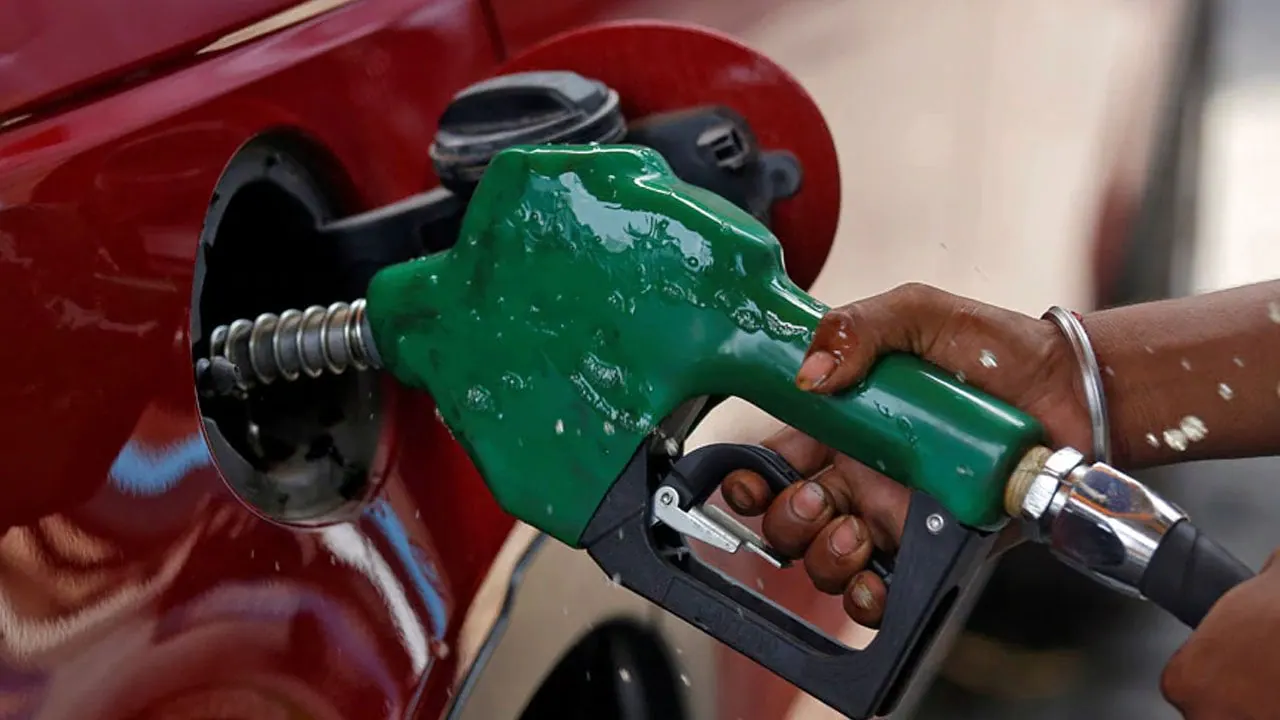
The debate over fuel subsidy in Nigeria has intensified as petrol prices continue to rise, impacting commuters, transport operators, and small business owners. Over three years after President Bola Tinubu declared that fuel subsidy was gone, Nigerians are still feeling the effects of deregulated petrol prices. The Federal Government insists that petrol prices can no longer be fixed, while opposition voices argue that Nigerians need urgent relief from rising transport and living costs.
A recent survey in Kano found that transport fares on both interstate and local routes have increased, while small business owners are adjusting their prices to cope with rising fuel costs. Commercial tricycle rider Abu Sadiq said that despite spending more on fuel, passengers' patronage has remained low, making it harder to recover daily expenses. He buys fuel at N1,440 or N1,470 per liter and struggles to find passengers.
The increase in petrol prices has also affected interstate travel, with transport fares rising by about N1,000 on several routes. For example, a trip from Kano to Bauchi now costs around N11,000, while passengers traveling from Kano to Mararaba in Abuja pay around N11,000. Other routes, such as Kaduna-Kano and Saminaka to Bauchi, now cost N7,000.
Small businesses are also feeling the impact of rising fuel costs. Tomato grinding operator Maman Ramadan in Mariri, Kano, has increased her charges due to higher fuel costs. She no longer accepts tomatoes for grinding below N150, citing the need to cover her fuel expenses. However, prices of everyday cooking ingredients have remained largely unchanged in local shops.
Associate Professor M. I. Aminu from Ahmadu Bello University (ABU) urges the Federal Government to protect poor and vulnerable households from the impact of rising petrol prices. He explains that higher fuel prices can lead to increased transportation costs, which puts upward pressure on inflation. Aminu notes that the situation is particularly challenging in Nigeria due to its heavy reliance on road transportation.
Aminu recommends targeted support for vulnerable Nigerians, including cash transfers and social protection programs. He also suggests improvements in mass public transportation and investments in roads, rail, and logistics infrastructure to reduce the cost of moving people and goods. The government should address the wider factors driving inflation, such as high logistics costs and energy constraints.
Aminu stresses that controlling the pump price alone will not solve the wider economic problems associated with rising transportation costs. The government needs to protect people who are most affected while reducing the structural costs that drive prices upward. The impact of higher petrol prices is not limited to motorists, as transportation is connected to almost every part of the economy.
Key points
- The Nigerian government faces pressure to address the impact of rising petrol prices on vulnerable households.
- Rising fuel costs have led to increased transport fares and prices of goods and services.
- Economists recommend targeted support for vulnerable Nigerians and investments in infrastructure to mitigate the effects of higher fuel prices.