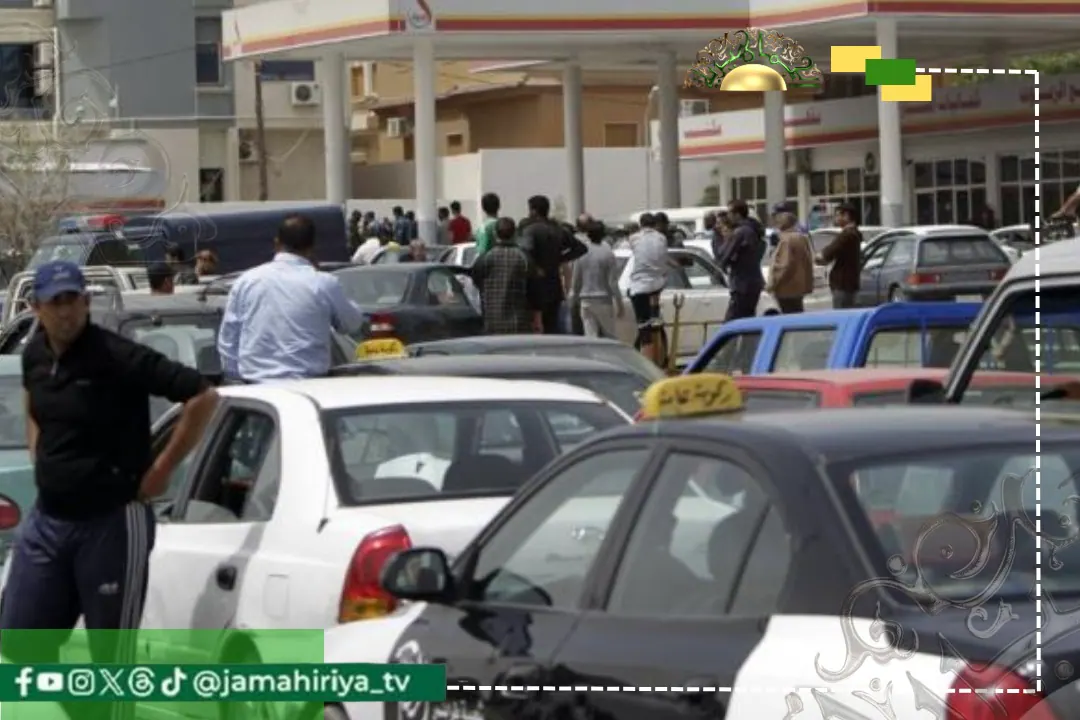
The Libyan Center for Studies on Security and Military Affairs has released a report highlighting the massive waste, theft, and smuggling of subsidized fuel in Libya. According to the report, withdrawals of gasoline by the General Security apparatus increased by 621% between 2021 and 2024. Similarly, withdrawals of diesel by Haftar's forces surged by 1527% during the same period.
The report also noted a significant increase in diesel consumption by the electricity sector, with a 203% rise, and some power plants recording a staggering 1386% increase. These figures were presented to the UN Security Council by the Special Representative of the UN Secretary-General in Libya, Hanna Tetteh. The reports suggest that these large increases are indicative of widespread diversion of subsidized fuel from its intended use.
The fuel supply chain in Libya is also facing significant challenges, with a decline in the number of suppliers and a concentration of contracts among a few companies. In 2024, a single company secured around 43% of the fuel supply contracts, worth approximately $3.98 billion. This has led to concerns about the transparency and accountability of the fuel supply system.
The mechanism of exchanging crude oil for refined fuels has also been criticized for underreporting revenues and expenses by around 30-35%. According to the report, the total revenues collected by fuel distribution companies between 2022 and 2024 were only around 596.7 million dinars. Despite being an oil-producing country, Libya relies heavily on importing refined fuel to meet domestic demand.
The country's fuel imports have been substantial, with the value of imports reaching around $9 billion in 2024, according to the International Monetary Fund. The report concluded that the fuel crisis in Libya is not just about smuggling, but also about weak oversight, poor collection, and the lack of a unified and accurate estimate of fuel needs.
The Libyan Center for Studies on Security and Military Affairs has called for urgent reforms to address the fuel subsidy crisis, including improving oversight and transparency in the fuel supply chain, and implementing measures to prevent smuggling and diversion of subsidized fuel. The international community has also been urged to provide support to help Libya address its fuel challenges.
The fuel crisis has significant implications for Libya's economy and its people, who are struggling with shortages and high prices. The government's ability to address the crisis will be crucial in determining the country's future stability and prosperity.
Key points
- Libya's fuel subsidy program is plagued by widespread smuggling and lack of oversight.
- The country's fuel supply chain faces significant challenges, including a decline in suppliers and concentration of contracts among a few companies.
- The fuel crisis has significant implications for Libya's economy and its people.