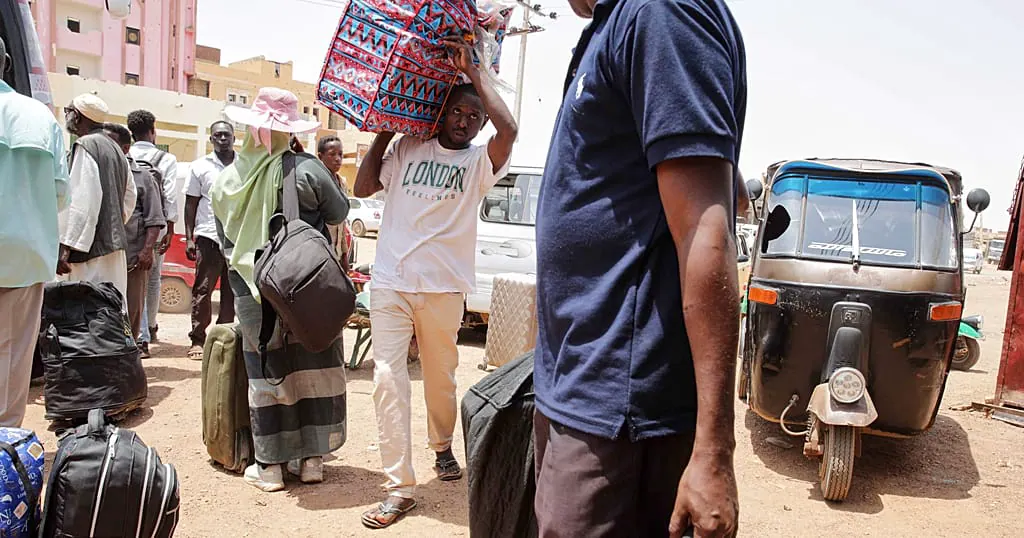
Sudan is currently experiencing a severe fuel shortage, driven by global oil disruptions linked to the Middle East conflict and domestic import restrictions. This shortage has significantly impacted the country's public transport, freight, and factory production. As a result, higher transport costs have pushed up food prices for ordinary people, adding to their economic burden. The situation has become a pressing concern for the Sudanese population.
The fuel shortage has brought the movement of goods and people to a standstill, paralyzing the market. Khartoum resident Mohamed Hassan expressed his frustration, stating that the situation has become unbearable and that people need solutions, not promises. The shortage has affected various aspects of life in Sudan, and residents are calling for immediate action to address the crisis.
In an effort to ease the shortages and improve availability, Prime Minister Kamil Idriss has ordered extra supplies of petroleum products to service stations. This move aims to alleviate the pressure on the public and restore normalcy to the transportation and logistics sectors. However, analysts point to deeper challenges that need to be addressed to resolve the fuel shortage.
One of the major challenges contributing to the fuel shortage is the central bank's requirement for importers to deposit the equivalent of 200 kilograms of gold. This requirement has restricted participation in the import market, limiting the availability of fuel. Additionally, the prolonged shutdown of the al-Jaili refinery, foreign exchange shortages, and difficulties financing fuel imports have all contributed to the crisis.
The ongoing civil war in Sudan has further exacerbated the supply crunch, driving a surge in black market fuel trade across government-held areas. This has created a lucrative but illicit market, which can be detrimental to the country's economy and stability. The government needs to address the root causes of the fuel shortage to prevent further instability.
The fuel shortage has significant implications for the Sudanese economy and population. With food prices rising due to higher transport costs, ordinary people are bearing the brunt of the crisis. The government must work to resolve the fuel shortage and restore stability to the economy, ensuring that essential goods and services are available to the population.
The international community is also concerned about the situation in Sudan, with many calling for a peaceful resolution to the ongoing civil war. The Sudanese government needs to address the fuel shortage and other pressing issues to ensure the well-being of its citizens and restore stability to the country.
Key points
- The fuel shortage in Sudan is driven by global oil disruptions and domestic import restrictions.
- The shortage has impacted public transport, freight, and factory production, pushing up food prices for ordinary people.
- Analysts point to deeper challenges, including the shutdown of the al-Jaili refinery, foreign exchange shortages, and difficulties financing fuel imports.