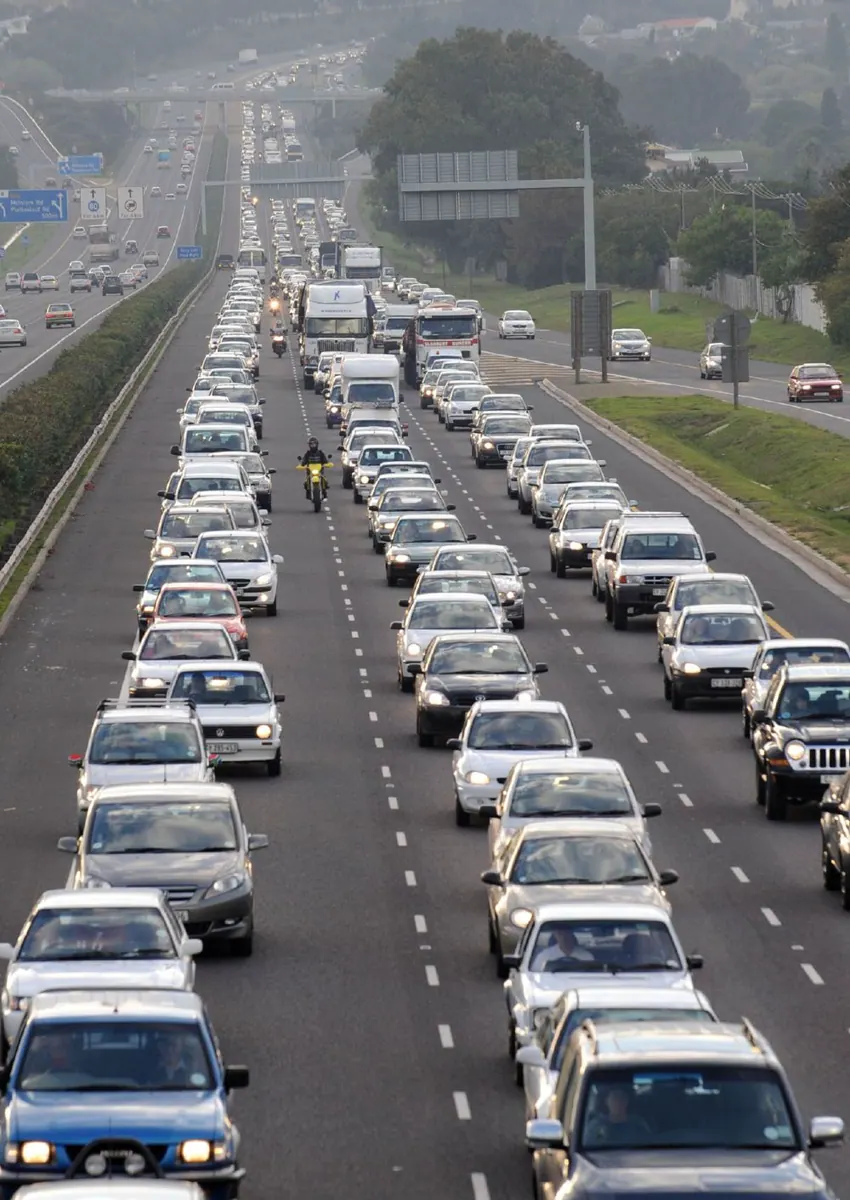
Motorists in South Africa are bracing for a significant increase in fuel costs as prices are set to exceed R30 per litre for the first time. According to data from the Central Energy Fund, petrol price increases of around R3.08 for 93 Unleaded and R3.29 for 95 Unleaded are expected, while diesel prices will likely rise by between R2.80 for 500ppm and R3.15 in the case of 50ppm. These increases will take effect on Wednesday, October 7.
The latest fuel price hikes will further strain already stretched household budgets. Calculations by IOL show that even an entry-level vehicle could cost more than R1,000 extra for fuel compared to March for motorists traveling around 2,000km a month. A small car with average consumption of 5.5 litres per 100km would have cost around R1.11 per kilometre in fuel costs in March, but by September that would have risen to R1.47 per kilometre.
If October's projections materialize, the fuel cost per kilometre for a small car will swell to R1.65. It is estimated that the average South African motorist drives around 1,500km to 1,800km per month. For instance, driving 1,500km in a month in a small car such as a Suzuki Swift would have cost R1,666 in fuel bills back in March, but that would have risen to R2,208 by September and will likely peak at R2,470 in October.
The impact of the fuel price increases will vary depending on the type of vehicle. In an SUV such as the Chery Tiggo, assuming consumption of 8.0 l/100km, fuel costs would have risen from R2,423 in March to R3,211 in September and are expected to reach R3,593 in October. For a Toyota Hilux, with 9.0 l/100km consumption, 1,500km per month would have risen from R2,849 in March to R5,760 in September and is expected to reach R6,327 in October.
The ongoing war in the Middle East has contributed to elevated oil prices due to fears of disruptions to global crude supplies and shipping. The Strait of Hormuz is a particular concern because a significant share of the world's oil passes through the narrow waterway. Attacks or heightened tensions in the region can also increase insurance, shipping, and supply-risk costs.
At this stage, it appears unlikely that the government will intervene with temporary tax relief measures, as it did in April this year, when the General Fuel Levy was cut by at least R3.00 per litre for two months. Last month, Mineral and Petroleum Resources Minister Gwede Mantashe stated that there were no immediate plans to cushion households and businesses from rising fuel costs.
Following the increases, motorists can expect to pay around R29.23 for a litre of 95 Unleaded petrol at the coast and R30.10 in Gauteng, where 93 is expected to retail for around R29.94. Prices of 50ppm diesel could also exceed R34 at the coast and R35 inland once retail margins have been factored in.
Key points
- Fuel prices in South Africa are expected to exceed R30 per litre for the first time.
- The increase in fuel costs will strain household budgets, with an entry-level vehicle potentially costing over R1,000 more per month.
- The government does not appear to have immediate plans to intervene with tax relief measures to cushion the impact of rising fuel costs.