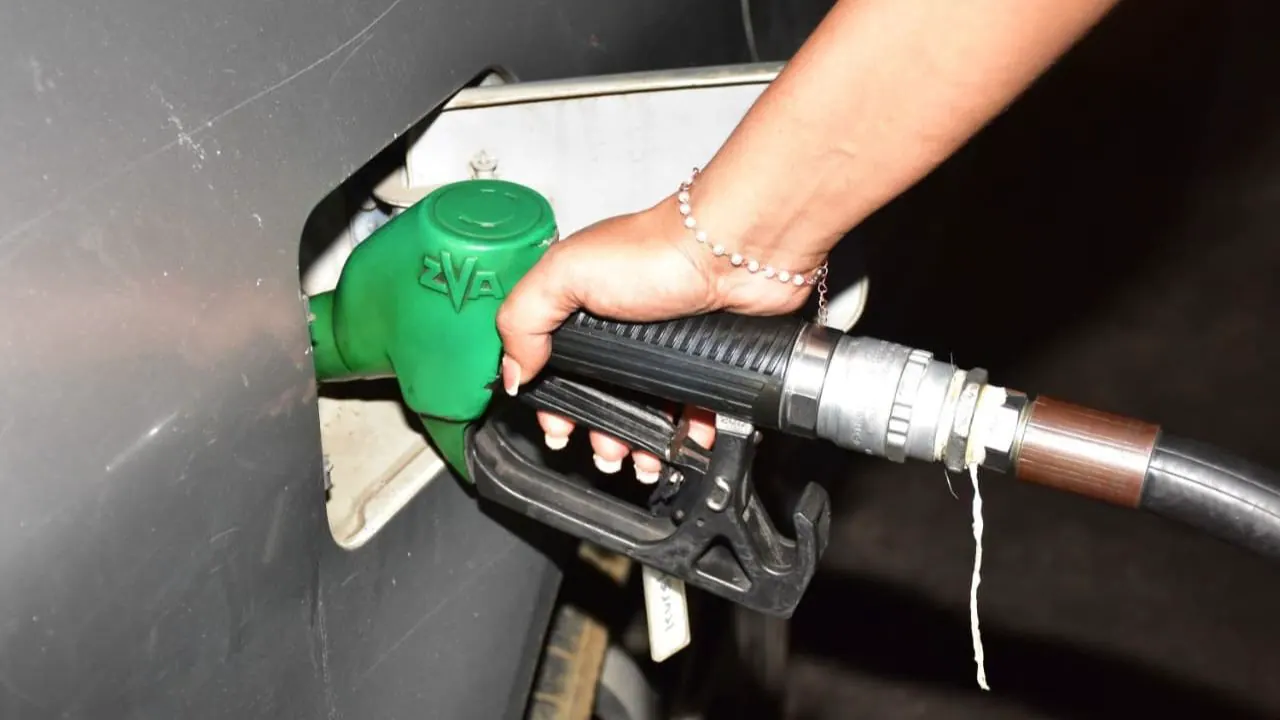
The Petroleum Pricing Committee (PPC) in Mauritius has recommended a 10% increase in fuel prices due to rising global market trends and a deficit in the Price Stabilisation Account. As of September 29, the price of petrol has increased from Rs 70.65 to Rs 77.70 per liter, while diesel has risen from Rs 71.25 to Rs 78.35 per liter. This change affects consumers, who will now pay more for their fuel.
According to the PPC, the reference price for petrol is $140.64 per barrel, and for diesel, it is $165.68 per barrel. With a current exchange rate of Rs 48.18 per dollar, the calculated increase is Rs 12.86 per liter for petrol and Rs 12.87 per liter for diesel. However, due to regulations capping increases at 10% when the calculated rise exceeds 4% and the Price Stabilisation Account is in deficit, the prices have been adjusted to the current levels.
Comparing the prices since the beginning of the year, petrol has increased by Rs 19.25 per liter, and diesel by Rs 19.40 per liter. The Price Stabilisation Account, which was in deficit by Rs 1.5 billion on March 2, has seen its deficit widen to Rs 3.63 billion by September 28. This significant increase in the deficit has contributed to the recent price hike.
The Minister of Commerce, Michaël Sik Yuen, explained that the price adjustment was necessary due to rising import costs and the deficit in the stabilisation fund. He mentioned that the government had previously reduced excise duties on petrol by Rs 2 per liter in December 2024 but expressed concerns that further reductions could impact financing for other measures.
Despite tensions in the oil market, Minister Sik Yuen assured that Mauritius does not currently face an immediate risk of fuel shortages, thanks to a recent contract with the Indian government. However, he does not foresee a quick resolution to the market tensions, citing factors beyond Mauritius' control, including geopolitical conflicts.
Minister Sik Yuen warned that the situation may worsen, emphasizing the need for solutions to prevent fuel waste. He also acknowledged the impact of the price increase on consumers and announced plans to introduce a QR code system. This system will allow the public to access a list of 28,000 products subject to price controls, promoting transparency and compliance.
The recent fuel price increase will undoubtedly affect consumers in Mauritius, who will have to pay more for their fuel. With a 50-liter fuel tank, the cost of petrol increases by approximately Rs 352.50, while diesel rises by around Rs 355. As the situation in the global oil market continues to evolve, the Mauritian government and consumers will need to adapt to the changing landscape.
Key points
- The fuel price increase in Mauritius is attributed to the rising global market trends and a significant deficit in the Price Stabilisation Account.
- The Price Stabilisation Account's deficit has widened from Rs 1.5 billion to Rs 3.63 billion between March 2 and September 28.
- Despite current challenges, Mauritius does not face an immediate risk of fuel shortages due to a recent agreement with the Indian government.