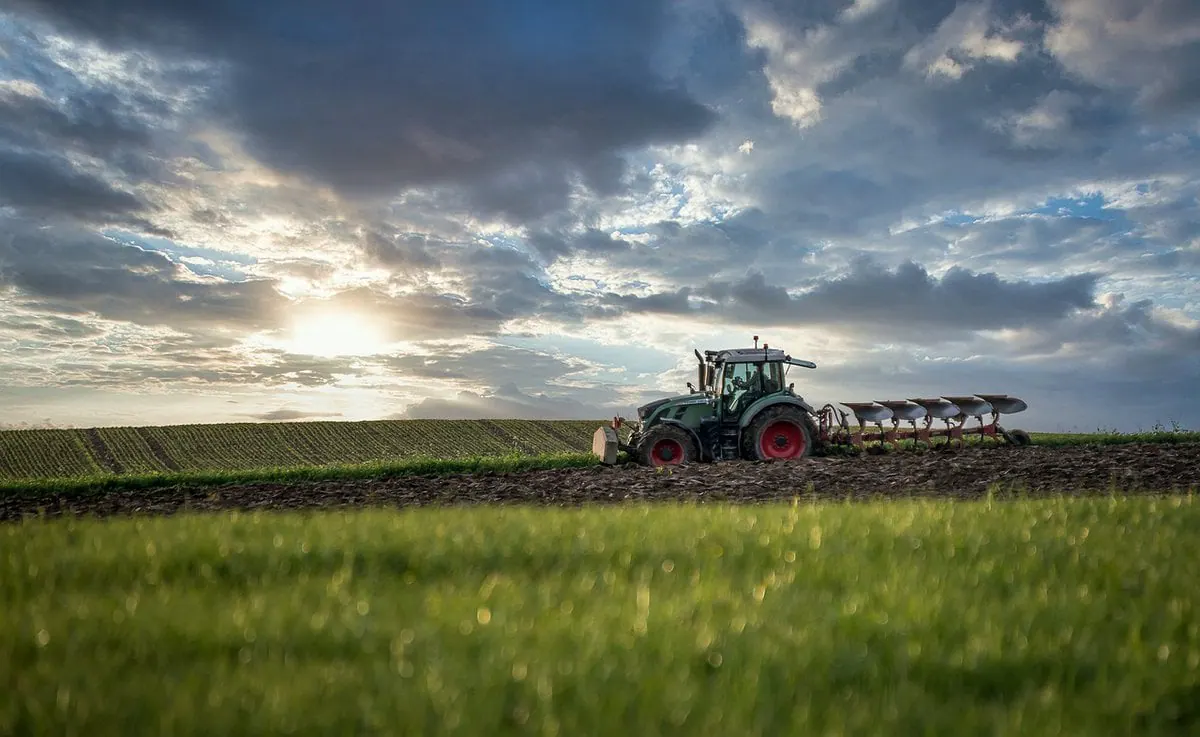
The recent fuel price adjustments in South Africa, which came into effect on October 7, have sparked concerns about the impact on food security. According to TLU SA, the hikes will exacerbate the financial pressure on farmers, who are already struggling with unpredictable market conditions and weather uncertainty. With the summer planting season approaching, farmers must invest heavily, but the returns are uncertain.
The increased fuel costs will have a ripple effect on farmers' operations, as diesel is essential for land preparation, planting, and harvesting. Additionally, fuel costs are incurred when transporting seeds, fertilizers, and other inputs, as well as when taking final products to silos, processing plants, and markets. A producer using 10,000 liters of diesel will pay R30,000 more if the price increases by R3 per liter.
Bennie van Zyl, the chief executive of TLU SA, stated that farmers have limited control over the prices at which their products are sold, even when their expenses increase sharply. He noted that farmers are largely price-takers, with their expenses influenced by international and local circumstances, but their income determined by market forces.
TLU SA argues that while South Africa cannot control international oil prices, local issues such as poor rural roads, limited rail transport, and logistical inefficiencies make the transportation of agricultural inputs and products more expensive. The organization believes that these issues need attention, as they are within South Africa's power to address.
The management of strategic fuel reserves is another issue that TLU SA believes deserves investigation. The controversy surrounding the sale of oil reserves during Tina Joemat-Pettersson's tenure as minister highlights the importance of responsible management and security of fuel supply. Although strategic reserves cannot prevent international price increases, they can help limit the country's exposure to severe supply disruptions.
The fluctuations in commodity prices and uncertainty about possible El Niño conditions further complicate farmers' planning. Even a good harvest can result in disappointing financial outcomes if production costs are too high. Van Zyl emphasized that a large harvest is not necessarily a profitable one, and that production figures should not be the only measure of agriculture's success.
The consequences of the fuel price hikes can extend beyond farms, affecting input suppliers, rural businesses, and jobs. TLU SA warns that the country's ability to produce enough food in the future depends on farms that can economically sustain themselves. Van Zyl stressed that food production must remain economically viable in the long term, and that the impact of rising costs will be felt far beyond the next fuel price adjustment if not addressed.
Key points
- The recent fuel price hikes in South Africa will further strain farmers financially, threatening food security.
- Local issues such as poor rural roads and logistical inefficiencies exacerbate the impact of fuel price increases on farmers.
- The country's ability to produce enough food in the future depends on economically sustainable farming practices.