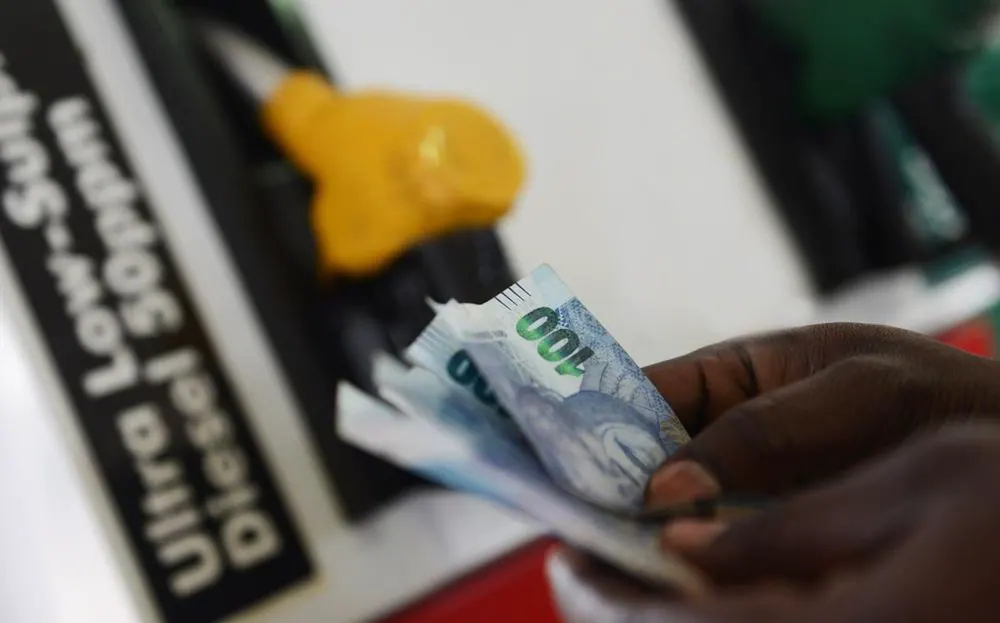
The recent fuel price increase in South Africa has put fresh pressure on households, with many individuals struggling to afford the journey to work, school, or other essential destinations. The price of petrol 93 rose by R3.12 a litre, while petrol 95 increased by R3.33. Diesel prices also surged, with an increase of between R2.84 and R3.24 a litre. This latest hike has triggered renewed calls for government intervention to cushion the impact on consumers.
The fuel price increase is a significant blow to households already struggling with unavoidable expenses. According to Abigail Moyo, spokesperson for the South African trade union UASA, workers are facing escalating costs for travelling to work, keeping the lights on, and putting food on the table. Moyo urged the government to act decisively and without delay to mitigate the impact of the fuel price hike on households.
The impact of rising transport costs is evident in new research by Ipsos, which found that 15% of South Africans aged 15 and older - approximately 6.9 million people - had at some point missed work, school, or university due to unaffordable transport. Ipsos South Africa Country Manager Natalie Otte emphasized that transport connects people to opportunity, and when they cannot afford to travel, they may miss job opportunities, lose income, or fall behind in their studies.
The fuel price hike has also sparked calls for a fundamental review of the fuel-pricing structure. Riefdah Ajam, general secretary of the Federation of Unions of South Africa (FEDUSA), called for immediate relief, including a R3-a-litre fuel subsidy. Ajam argued that South Africans are carrying an increasingly heavy financial burden with insufficient relief from government.
The Economic Freedom Fighters (EFF) also urged government to provide relief, particularly for households reliant on paraffin. The party emphasized that fuel affects not only motorists but also the price of food, public transport, goods, and virtually every basic necessity. The EFF's call for relief reflects growing concerns about the impact of fuel price hikes on low-income households.
The fuel price increase has also raised concerns about the potential impact on public transport. SANTACO, a taxi operators' association, is considering a possible fare increase in response to the fuel price hike. However, some operators, such as MyCiTi and Golden Arrow, have held off on fare hikes for now, although they may revisit the issue in the future.
The fuel price hike is also having a broader impact on the economy, with concerns about illicit diesel-paraffin blending affecting up to 800 million litres a year. The issue has sparked calls for greater regulation and oversight to prevent such practices.
Key points
- The fuel price hike has put pressure on household budgets, with petrol 93 rising by R3.12 a litre and 95 by R3.33.
- The increase has triggered renewed calls for government intervention to cushion the impact on consumers.
- Rising transport costs threaten access to work and education, with 6.9 million people having missed work, school, or university due to unaffordable transport.