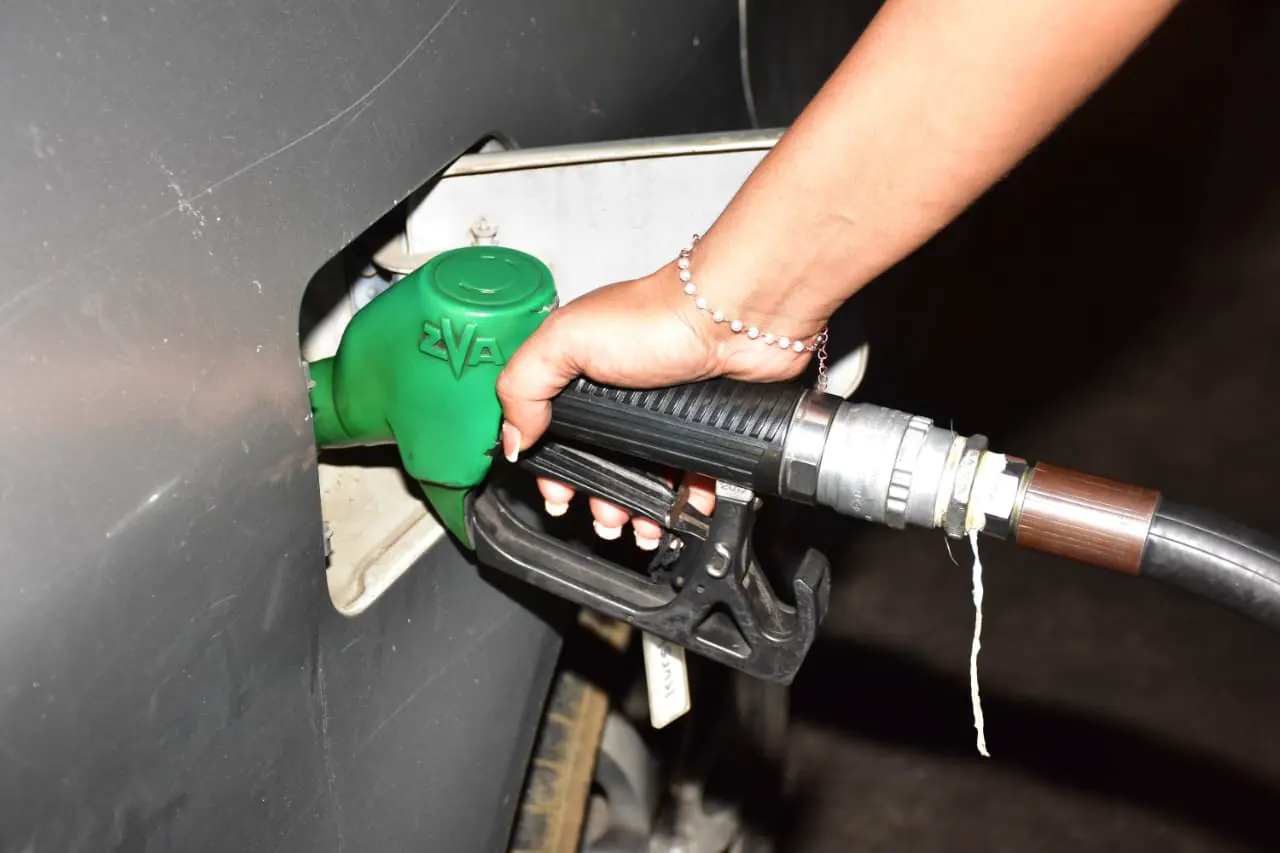
The price of fuel in Mauritius has increased by 10%, with petrol rising to Rs 77.70 and diesel to Rs 78.35 per liter, effective September 28. This move has reignited the debate on taxes and subsidies in the country. The Petroleum Pricing Committee calculated a theoretical increase of 18.2% for petrol and 18.06% for diesel, but the government limited the hike to 10% due to regulations. The Price Stabilization Account (PSA) deficit has also contributed to the price increase.
The PSA deficit has grown to Rs 3.63 billion as of September 28, up from Rs 1.5 billion on March 2. This has significant implications for the government's ability to finance subsidies for various products and services. The fuel price increase is attributed to the rising international prices, with the reference price for petrol set at $140.64 per barrel and diesel at $165.68 per barrel. The exchange rate of Rs 48.18 per dollar also plays a role in determining the local fuel prices.
Minister of Commerce and Consumer Protection, Michaël Sik Yuen, has defended the current tax structure, citing the importance of subsidies and the "Welfare State" model. He argues that removing certain taxes on fuel products would have far-reaching consequences for the financing of free transportation for students and senior citizens. Sik Yuen estimates that abolishing the Rs 1.75 tax for the Road Development Authority would cost the state over Rs 300 million annually.
The debate on fuel taxes is not new, with opposition parties and activists criticizing the government's approach. In June 2023, Reza Uteem, a MMM deputy, accused the government of collecting Rs 10.8 billion in taxes on fuel products since July 2022. Nishal Joyram, an activist, has also questioned the fuel price mechanism, citing speculation on future international price increases. Joyram argues that the recent price hike is based on anticipated, not actual, increases in global fuel prices.
Joyram has also raised concerns about the contract with OQ Trading for fuel supply, which was renewed in July. He questions how the reported Rs 1 billion annual savings from this deal are being passed on to consumers. The activist plans to organize citizen actions in the near future to protest the fuel price hikes. The Association of Consumers of Mauritius (ACIM) has also expressed concerns, stating that the government could have taken measures to mitigate the price increase.
Jayen Chellum, president of ACIM, believes that the government has not acted responsibly in addressing the fuel price issue. He acknowledges the challenges posed by the global situation but thinks that temporary measures could have been taken to cushion the impact on consumers. The ACIM is calling for a more considerate approach to fuel pricing, taking into account the needs of both consumers and the economy.
The fuel price hike has significant implications for the Mauritian economy and society. As the government navigates the complexities of global fuel markets, it faces pressure to balance the needs of consumers, businesses, and the national budget. The debate on fuel taxes and subsidies is likely to continue, with various stakeholders pushing for a more equitable and sustainable solution.
Key points
- The 10% fuel price increase in Mauritius has sparked a heated debate on taxes and subsidies.
- The Price Stabilization Account (PSA) deficit has grown to Rs 3.63 billion, contributing to the price hike.
- The government faces pressure to balance consumer needs with economic realities amid rising global fuel prices.