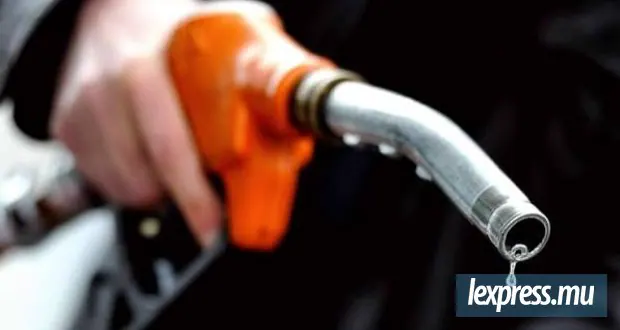
The government of Mauritius has increased fuel prices, effective September 29, with petrol now costing Rs 77.70 per liter and diesel Rs 78.35 per liter. This represents a cumulative increase of around 33% over the past seven months. The price of petrol has risen by Rs 19.25 and diesel by Rs 19.40 since March 25. The government cites the rise in international oil prices and the situation of the Price Stabilization Account (PSA) as reasons for the increase.
The Minister of Trade and Consumer Protection, Michaël Sik Yuen, defended the price hike in a video, explaining that it was necessary due to the rise in international oil prices and the PSA's deficit, estimated at Rs 3.63 billion as of September 28. He warned that further pressure on the PSA could have a domino effect on subsidized products such as rice, flour, and cooking gas. The minister provided examples of potential price increases, including a possible rise in the price of a 5kg bag of rice to Rs 153 and cooking gas to over Rs 500.
The State Trading Corporation (STC) revealed that the price of reference for the revision was calculated based on real prices from July to September 2026 and projected prices for October to December. The STC stated that the calculation resulted in a hike of over 10%, but the increase was capped at 10% as per regulations. The government has been trying to balance the need to stabilize fuel prices with the need to manage the PSA's deficit.
The fuel price hike has sparked concerns among consumers and businesses, with many questioning how they will absorb the increased costs. Haniff Peerun, president of the Mauritius Labour Congress (MLC), warned that the increase would have far-reaching consequences, including a rise in the cost of living and a potential cascade of price increases across various sectors. The MLC is advocating for a temporary reduction in certain taxes and contributions on petroleum products to mitigate the impact on households and businesses.
Independent workers and small business owners are also expressing concerns about the fuel price hike. Stephane Maurymoothoo, representative of the Regrupman Artizan Morisien, questioned whether small and medium-sized enterprises would be able to absorb the increased costs. He noted that fuel is just one of several expenses that businesses must contend with, including insurance, maintenance, and repairs. The hike is expected to have a significant impact on workers who rely on their vehicles for their daily activities.
The transport sector is also feeling the pressure, with bus operators expressing concerns about the impact of the diesel price hike on their operations. Sunil Jeewoonarain, secretary of the Mauritius Bus Owners Cooperative Federation, stated that the increase in diesel prices puts additional pressure on operators, who must balance their expenses with the need to provide affordable transportation to the public. He also highlighted the challenges of renewing vehicles, which can be a significant investment for bus operators.
The fuel price hike is expected to have a ripple effect on the economy, with many sectors likely to be impacted. The government will need to balance the need to manage the PSA's deficit with the need to protect consumers and businesses from the effects of the price increase. The situation will continue to be monitored, with stakeholders calling for greater transparency and support to mitigate the impact of the fuel price hike.
Key points
- The fuel price hike in Mauritius has sparked concerns over inflation and economic impact.
- The government cites the rise in international oil prices and the situation of the Price Stabilization Account (PSA) as reasons for the increase.
- The fuel price hike is expected to have a ripple effect on the economy, with many sectors likely to be impacted.