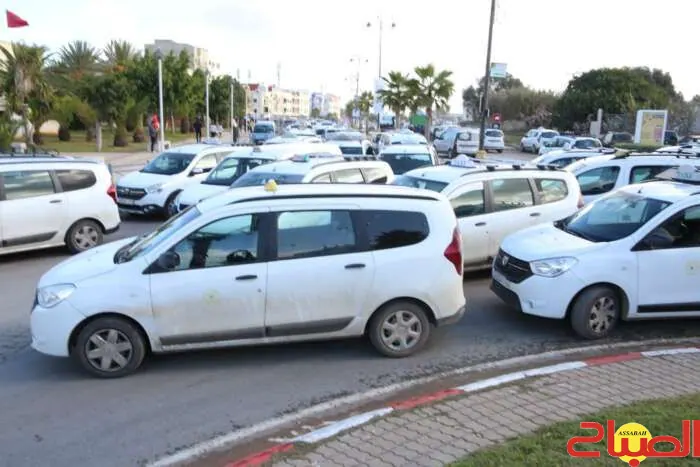
The surge in fuel prices in Morocco has started to affect taxi fares in several cities, with the cost of a liter of fuel exceeding 16 dirhams at gas stations. This development has led to increased fares for some trips, adding to the challenges faced by taxi professionals, particularly those operating large taxis. In Casablanca, taxi drivers have organized multiple protests against the high fuel prices, with the latest being a demonstration held on Wednesday.
Taxi professionals in Casablanca attribute their difficulties to the rise in fuel prices, as well as increased costs for lubricants and vehicle maintenance, coupled with competition from ride-hailing services. They are calling for measures to support professionals and help them continue their activities. A Casablanca taxi driver stated that the increased cost of fuel and vehicle expenses puts significant pressure on professionals, while also highlighting the impact of competition from ride-hailing services on the taxi industry.
The effects of higher transportation costs are not limited to professionals, as citizens in several cities have expressed dissatisfaction with the increased taxi fares. In Beni Mellal, the new taxi fare hike has sparked concerns among citizens and students, who feel that the cost of transportation has become an additional burden on their budgets, amidst ongoing high living costs.
On the route between Essaouira and Chtouka, the new fare is 60 dirhams, sparking concerns about the fare increase and criticism of the lack of decisive intervention from relevant authorities to protect citizens' interests. These developments coincide with ongoing protests by some sector professionals, who demand solutions to ensure their activities can continue in light of rising operating costs.
Citizens are waiting for taxi fares to remain within a range that they can afford, considering the ongoing high cost of living. Meanwhile, professionals in the sector continue to push for measures that will enable them to sustain their activities. The situation highlights the challenges faced by both taxi operators and citizens in Morocco.
The protests and concerns about taxi fares come as fuel prices in Morocco continue to rise, affecting various sectors and citizens' daily lives. The situation has sparked a wider debate about the need for support measures for professionals and the importance of protecting citizens' purchasing power.
As the situation continues to unfold, it remains to be seen how authorities will respond to the demands of taxi professionals and citizens. The issue highlights the complexities of managing the impact of global economic trends on local communities and the need for effective solutions to mitigate the effects of rising fuel costs.
Key points
- Rising fuel prices in Morocco lead to increased taxi fares in multiple cities.
- Taxi professionals and citizens express concerns about the impact of higher transportation costs on their livelihoods and budgets.
- Authorities face pressure to intervene and address the challenges faced by taxi operators and citizens.