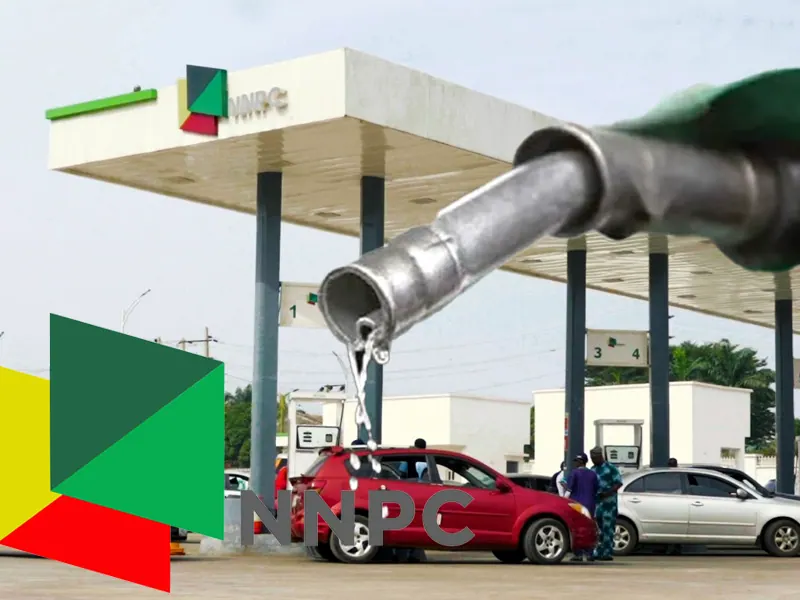
The federal government of Nigeria has introduced a 10-point intervention plan to mitigate the impact of rising petrol prices and the wider energy crisis. The Minister of Finance and Coordinating Minister of the Economy, Mr. Taiwo Oyedele, announced the measures at a press conference in Abuja. The plan includes a 30-day discount at Nigerian National Petroleum Company Limited (NNPC) filling stations nationwide, with priority given to public transporters. This move aims to moderate the effect of global energy shocks on Nigerian consumers and businesses.
The intervention plan also includes a negotiated N1,350 per litre ceiling on the ex-gantry or landing cost of petrol. This ceiling is designed to prevent domestic petrol prices from responding immediately to every movement in international crude prices and the exchange rate. According to Oyedele, pump prices should not have to follow every swing in global crude or the exchange rate. The government is working to ensure that pump prices remain stable, and the ceiling will be reviewed monthly and published to ensure transparency.
The government has also committed to hastening the deployment of Compressed Natural Gas (CNG) and increasing support for vulnerable Nigerians. Additionally, a National Strategic Fuel Reserve is being introduced to further stabilize the fuel market. Oyedele emphasized that the intervention is neither a return to fuel subsidy nor an attempt to impose price controls. Rather, it is a mechanism to cushion the impact of global energy shocks on Nigerian consumers and businesses.
The N1,350 ceiling on the ex-gantry or landing cost of petrol is a negotiated arrangement between the government and refiners. Where costs rise above the ceiling, refiners and importers will carry the shortfall and recover it later, when crude prices or the exchange rate allow, without breaching the ceiling. This arrangement aims to shield pump prices from volatility in the global market. The government is working to ensure that the benefits of this arrangement are passed on to consumers.
The 30-day discount at NNPC filling stations will prioritize public transporters nationwide. This move is expected to provide relief to Nigerians who have been affected by the sharp increase in global energy prices arising from the conflict in the Middle East. Oyedele noted that the federal government had taken several steps since the removal of fuel and foreign exchange subsidies to cushion the resulting hardship.
The opposition has reacted to the government's move, with Atiku describing it as a panic move and a publicity stunt. The ADC has accused the government of attempting to bribe Nigerians. In contrast, the government has maintained that the intervention is a genuine effort to cushion the impact of rising petrol prices. The government has also announced plans to remove illegal levies that contribute to higher transportation and logistics costs.
The government's 10-point plan aims to address the challenges facing the energy sector. The plan includes forward sales of crude to domestic refineries, removal of illegal levies, and the introduction of a National Strategic Fuel Reserve. The government is working to ensure that the measures are implemented effectively and that the benefits are passed on to consumers. The success of the plan will depend on its implementation and the government's ability to engage with stakeholders.
Key points
- The federal government offers a 30-day discount at NNPC filling stations nationwide.
- A negotiated N1,350 per litre ceiling on the ex-gantry or landing cost of petrol is introduced.
- The government hastens the deployment of Compressed Natural Gas (CNG) and increases support for vulnerable Nigerians.