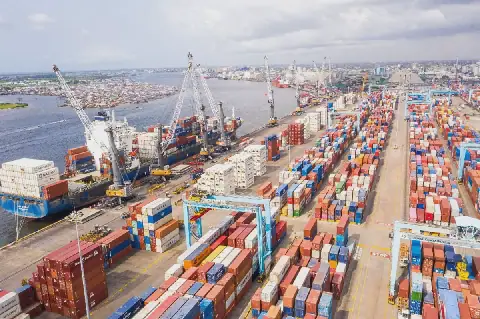
Fuel and mineral products accounted for about 30 percent of Ghana’s total imports in the second quarter of 2026. This significant portion highlights the country’s continued dependence on imported petroleum products. The data, released by the Ghana Statistical Service (GSS), shows that diesel, also known as gas oil, was Ghana’s largest single import during the period.
The import value of diesel was GH¢12.2 billion, while super petrol also accounted for a significant portion of the country’s import bill, valued at GH¢8 billion during the quarter. These figures underline the significant role petroleum products play in Ghana’s import structure. The country’s exposure to developments in international commodity and energy markets is also a concern.
The GSS is calling for increased local processing and value addition as part of measures to reduce Ghana’s dependence on imported products. This, they believe, will strengthen the domestic economy. Expanding local processing could help retain more value within the Ghanaian economy. It would also reduce the country’s exposure to external economic shocks, including fluctuations in global commodity prices.
The GSS is also advocating for expanded market access for Ghanaian businesses. This can be achieved through stronger implementation of the African Continental Free Trade Area, AfCFTA. Effective participation in the continental market would create opportunities for Ghanaian producers and exporters to expand beyond the domestic market. This would increase exports and improve the country’s trade position.
To support export growth, the GSS recommends improvements in transport and border infrastructure. This would make it easier and more cost-effective for businesses to move goods and access regional markets. Better access to financing for exporters is also necessary. Limited access to affordable funding can constrain the ability of Ghanaian businesses to increase production and compete in international markets.
The recommendations come as Ghana continues to grapple with the high cost of importing petroleum products. Increased local processing and diversification of exports are important components of efforts to strengthen the country’s trade position. The GSS believes that strengthening domestic production, processing capacity, export financing, and market access would help Ghana reduce its vulnerability to external shocks.
The GSS's suggestions aim to support Ghana's economic growth by reducing dependence on imported products. By implementing these measures, Ghana can improve its trade balance and increase its economic resilience. The country's efforts to strengthen its trade position are ongoing, with a focus on promoting local processing and export growth.
Key points
- Fuel imports account for 30% of Ghana's total imports.
- GSS advocates for increased local processing and value addition.
- Expanded market access and improved infrastructure are also recommended.