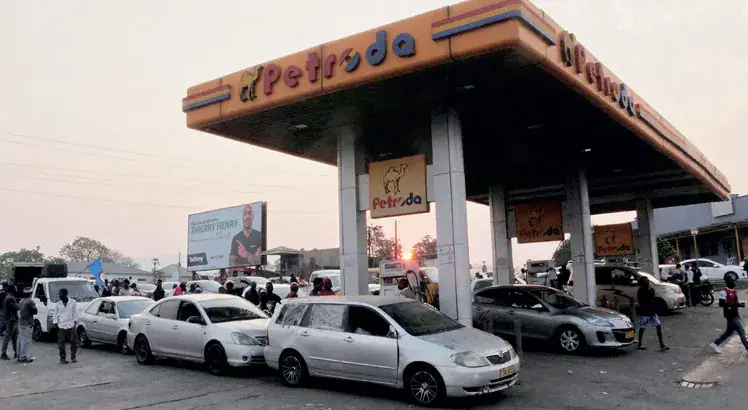
Inflows of fuel, particularly petrol, have shown improvement over the past two days in Malawi. However, the supplies seem insufficient to clear the queues of motor vehicles at service stations, especially in the Central and Southern regions. A daily fuel deliveries update by the Malawi Energy Regulatory Authority (Mera) revealed that 73 service stations nationwide were scheduled to receive fuel. The breakdown shows two service stations in the Northern Region, 44 in the Central Region, and 27 in the Southern Region.
On Sunday, 63 service stations received fuel, with three in the North, 23 in the Centre, and 37 in the South. Despite this, The Nation's checks yesterday indicated that the supply remained erratic in several areas, including Thyolo, Blantyre, Mangochi, Lilongwe, Salima, Mzimba, and Mchinji. The erratic supplies have resulted in continued queues at service stations.
Minister of Energy Jean Mathanga and her ministry's spokesperson Joan Thaundi were unavailable for comment. The National Oil Company of Malawi spokesperson Raymond Likambale also could not be reached for a statement. However, the Transporters Association of Malawi (TAM) reported that more of its members have sent trucks to haul fuel into the country.
According to TAM spokesperson Frank Banda, some transporters were initially reluctant due to Malawian trucks having spent four months without loading, as priority was given to foreign transporters. After government intervention, about 100 trucks loaded and delivered fuel into the country. Banda stated that those trucks are now returning to load more fuel and that additional trucks have been dispatched.
President Peter Mutharika, upon his return from a trip to South Africa, stated that the main problem was the logistics involved in transporting fuel into the country. He acknowledged the fuel shortages and assured that the government would address the issue. Mutharika noted that the fuel is available in ports in Tanzania, Nacala, and Beira in Mozambique.
Authorities have previously attributed the recurring fuel scarcity to acute foreign exchange shortages facing the country. The shortages are due to low export revenue that is dwarfed by the import bill, on a ratio of three to one. Malawi imports goods worth $3 billion against $1 billion in exports. The current fuel crisis has been ongoing for nearly two months.
The government has procured 23 million litres of fuel to alleviate the shortages. With the continued efforts to import fuel and the return of transporters to haul the commodity, there is hope that the fuel queues will gradually decrease. The situation remains under close monitoring by authorities and stakeholders.
Key points
- The government has procured 23 million litres of fuel to address the shortages.
- Foreign exchange shortages have contributed to the recurring fuel scarcity in Malawi.
- Over 100 trucks have been dispatched to haul fuel into the country.