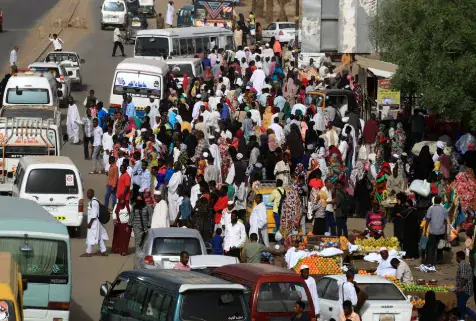
A severe fuel crisis has gripped Khartoum, Sudan's capital, causing widespread disruptions to public transport and driving up living costs for residents. The situation has left many commuters stranded, with large numbers of passengers waiting for vehicles in areas like Al-Shuhada in Omdurman. Students and residents alike are feeling the pinch, with many calling for authorities to intervene and ease the movement of people.
The crisis has had a ripple effect on the livelihoods of drivers and households, with many drivers forced to spend entire days queuing at petrol stations. This has resulted in significant losses for drivers and negatively impacted household incomes. With no end in sight, residents are growing increasingly frustrated with the situation. The impact on daily life is being felt across the city, with many residents struggling to get around.
The agricultural sector is also feeling the effects of the fuel crisis, with farmers warning of increased production costs. The price of diesel has skyrocketed, with a jerrycan of diesel now costing around 600,000 Sudanese pounds. This sharp increase is expected to drive up agricultural production costs, adding to the already significant challenges faced by farmers.
In response to the transport crisis, the Khartoum State Police have launched a mass transport initiative, deploying ten trucks to carry residents between different areas of the state. The initiative aims to ease overcrowding and help stranded passengers reach their destinations. The police have stated that the vehicles will be deployed along designated routes and will continue to operate until the fuel crisis is resolved.
The fuel crisis is part of a wider crisis affecting fuel supplies, transport costs, and essential services across Sudan. Many cities, including Omdurman, Khartoum, and Bahri, are facing significant challenges in accessing fuel and maintaining services and transport networks. The ongoing war and deteriorating economic conditions have exacerbated the situation, raising concerns about the impact on residents' mobility and livelihoods.
The crisis has significant implications for the population, which relies heavily on public transport and fuel to meet daily needs and sustain livelihoods. With the situation showing no signs of improving, residents are growing increasingly concerned about the impact on their daily lives. The authorities are under pressure to find a solution to the crisis and ease the burden on residents.
The fuel crisis in Khartoum is a symptom of a broader economic crisis affecting Sudan. The country is struggling to maintain essential services and provide for its citizens, with many cities facing significant challenges in accessing fuel and other necessities.
Key points
- The fuel crisis has disrupted public transport in Khartoum, leaving many commuters stranded.
- The crisis has driven up agricultural production costs, with farmers warning of increased prices.
- The Khartoum State Police have launched a mass transport initiative to ease overcrowding and help stranded passengers.