Many gamers can relate to the frustration of playing video games that have elements they dislike. These elements can range from excessive cutscenes to invisible walls that limit exploration. Players have expressed their dissatisfaction with these features, which can detract from their overall gaming experience. For instance, some games have too many cutscenes, making it feel like the player is watching a movie rather than playing a game.
One example of this is the game Metal Gear Solid, where the final battle between Solid Snake and Liquid Ocelot is presented in a series of cutscenes, leaving little room for player participation. Another game, Asura's Wrath, has boss fights that are mostly quick-time events, limiting the player's control and freedom. These elements can be frustrating for players who want to engage more actively with the game.
In addition to excessive cutscenes, players also encounter invisible walls or barriers that restrict their movement. These can be particularly frustrating when they appear to be interactive but are not. For example, a door may seem open, but the player cannot pass through it. These limitations can be justified by the game's storyline or development constraints, but they can still disrupt the player's immersion in the game.
Game developers often use these elements to guide the player's experience, but they can have the opposite effect. When players encounter too many obstacles or limitations, they can become disengaged and frustrated. This can be especially true when the game's storyline seems to predetermine the player's outcome, making their actions feel less meaningful.
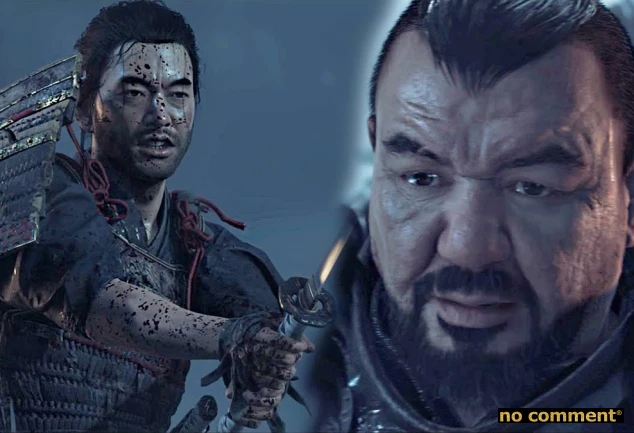
Some games also have scenarios that seem to predetermine the player's defeat, which can be frustrating. For example, in Zone of the Enders 2, the player's first encounter with the boss Anubis is designed to be a loss, but the game does not always communicate this clearly. Similarly, in Ghost of Tsushima, the player may defeat a boss in combat only to have the outcome changed in a subsequent cutscene.
These elements can detract from the player's sense of accomplishment and satisfaction. When players invest time and effort into a game, they want to feel a sense of pride and achievement. However, when the game's design or storyline undermines this feeling, it can be disappointing. Game developers can mitigate this by providing more player agency and control over their experience.
Ultimately, players want to enjoy their gaming experience without frustration. By understanding what elements players dislike, game developers can design games that are more engaging and enjoyable. This can involve finding a balance between storytelling and gameplay, as well as providing players with more freedom and control over their experience.
Key points
- Excessive cutscenes can limit player participation and engagement.
- Invisible walls and barriers can restrict player movement and immersion.
- Game design elements can impact player satisfaction and enjoyment.