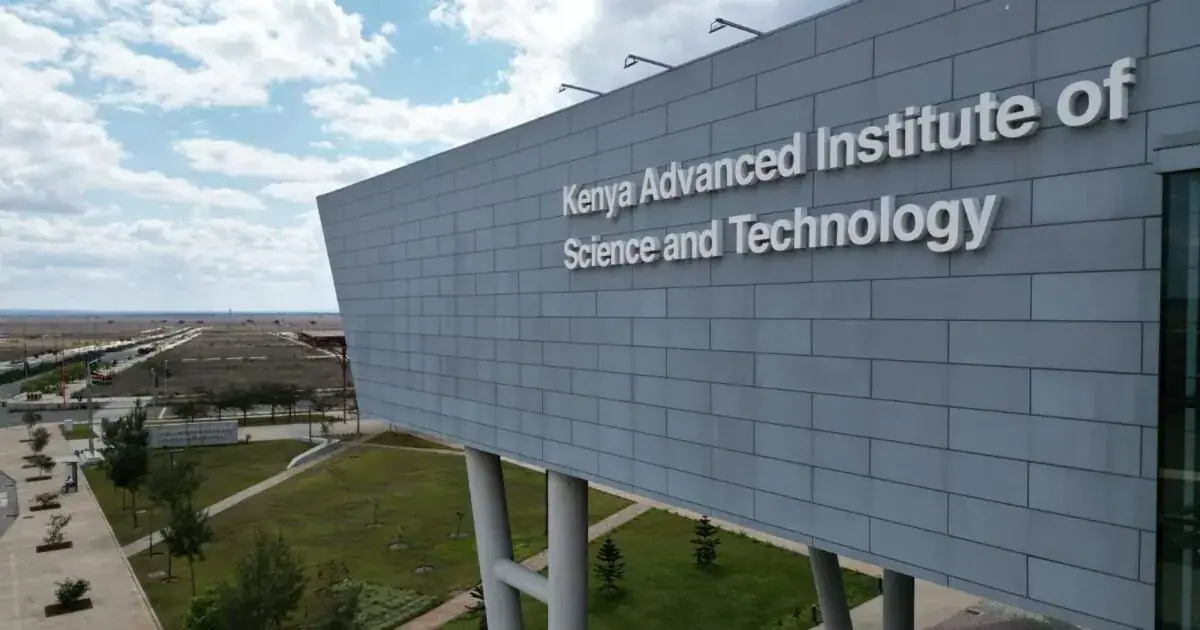
The Kenya Advanced Institute of Science and Technology, a graduate-only research institution focusing on science, technology, engineering, and mathematics, has been completed and operationalized. The institution aims to connect academia, government, and industry, strengthening research and development capabilities that respond to industrial needs. Located at Konza Technopolis, it will provide a linkage between the three sectors, enabling the country to commercialize knowledge generated from the university. Student intake is expected to follow soon.
The Konza Technopolis model brings together research institutions, industrial enterprises, and technology-based businesses within one development. This connection between research and production is central to the technopolis, allowing for collaboration between researchers and businesses. The development involves young Kenyan professionals working across various technical fields, including engineering, architecture, and information technology. They are building infrastructure, designing roads, and putting water systems in place.
The presence of different institutions at Konza creates opportunities for collaboration between researchers and businesses. However, turning this possibility into commercial output requires sustained investment, research partnerships, and demand for locally developed solutions. Konza is exploring applications of emerging technologies in sectors such as transport, medicine, and agriculture. This includes the use of drones for various purposes, such as medicine, transport, and agriculture.
According to John Paul Okwiri, chief executive of the Technopolis Development Authority, the broader development is designed to support Kenya's industrialization ambitions under Vision 2030. The technopolis has established internal roads and an electricity distribution system, while its export processing zone is operational, and its industrial base is expected to expand. This infrastructure is intended to support the wider development of Konza.
Josephine Ndambuki, Chief Manager for Business Development and Innovation at Konza, stated that the development aims to support Kenya's broader economic transformation by creating opportunities across different sectors. The presence of smart city technologies, industrial companies, and research entities creates possibilities for collaboration. Ndambuki emphasized that young Kenyan professionals are working on these projects, building buildings, designing roads, and putting systems in place.
The potential economic value of emerging technologies at Konza depends on their ability to move beyond experimentation into practical use. Research institutions can develop technical knowledge, but commercialization also requires funding, regulatory support, market access, and businesses willing to invest in production. The Kenya Advanced Institute of Science and Technology provides one part of the framework for research-to-production.
The next challenge for Konza is translating research into products, enterprises, and commercially sustainable industrial activity. The institution's role will be crucial in developing research capabilities that respond to industrial needs. With the completion of the Kenya Advanced Institute of Science and Technology, Konza is one step closer to achieving its research-to-production ambition. The success of this ambition rests on establishing lasting working relationships between institutions and businesses.
Key points
- The Kenya Advanced Institute of Science and Technology has been completed and operationalized.
- Konza Technopolis aims to connect research and manufacturing, supporting Kenya's industrialization ambitions.
- The development of Konza's infrastructure and institutions is crucial for commercializing locally generated knowledge.