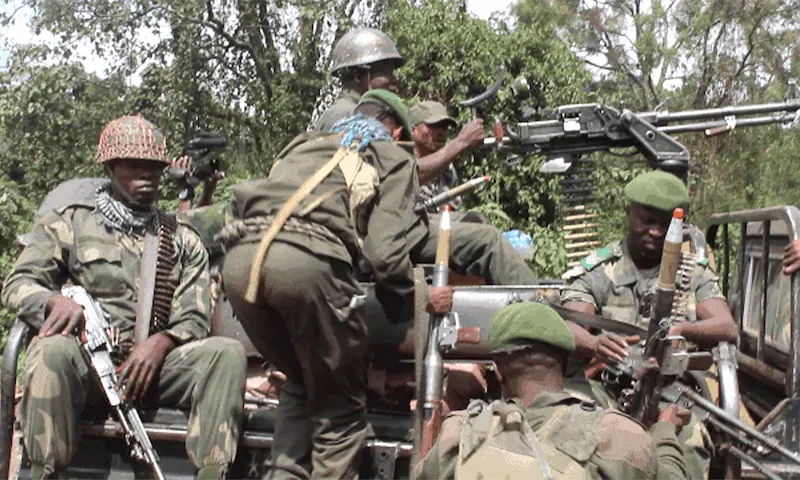
Clashes have resumed in several areas of North Kivu's Masisi and Walikale territories, causing concern among residents. The fighting is between the Allied Forces of the Congo and M23 (AFC/M23) and the Democratic Republic of Congo's army (FARDC), which is working with local militia known as Wazalendo. Eyewitnesses report that fighting resumed on Monday, September 21, 2026, particularly on Burora hill, near Ngungu and Kasake.
The renewed clashes have led to fresh displacement of residents, with some people who had returned to their homes in the Remeka area fleeing again due to fears for their safety. In the Ufamandu area of Masisi territory, relative calm had returned after FARDC and Wazalendo forces regained control of several areas. However, since the end of last week, there have been reports of troop movements in the Ngungu area, sparking fears of renewed fighting.
Residents in the affected areas report that the AFC/M23 has brought in more troops and military equipment, which has raised concerns that the fighting could escalate. The clashes have also affected the local population, with many fearing for their safety and unable to access basic services and economic activities. The situation is part of a broader pattern of violence in North Kivu, with clashes reported in several areas.
In Walikale territory, which borders Masisi, there are reports of troop movements and clashes in the Kisimba area. While there have been no major clashes reported in the area since the end of last week, residents are on edge due to the presence of AFC/M23 forces and equipment in the Ihula and Malemo areas. The situation remains volatile, with fears of renewed fighting.
The renewed clashes in Masisi and Walikale are part of a broader pattern of violence in North Kivu. In Masisi, clashes have been reported in several areas, including Ngululu, Miko, Katuunda, Remeka, Miano, Kaleta, and Kasake, leading to displacement of residents and shifting control of territory. In Walikale, there are reports of clashes and troop movements in several areas, including Kisimba.
The violence has had a significant impact on the local population, with many residents forced to flee their homes and unable to access basic services and economic activities. The situation remains volatile, with fears of renewed fighting and further displacement. According to local sources, the clashes have been ongoing for several weeks, with no clear end in sight.
The situation in North Kivu remains a concern for local residents and humanitarian organizations. The clashes between AFC/M23 and FARDC forces have caused significant displacement and humanitarian needs, with many residents struggling to access basic services and economic activities. The situation is being closely monitored, with efforts underway to address the humanitarian needs of affected populations.
Key points
- The clashes have caused fresh displacement and fears among residents in North Kivu's Masisi and Walikale territories.
- The situation remains volatile, with fears of renewed fighting and further displacement.
- The violence has had a significant impact on the local population, with many residents forced to flee their homes and unable to access basic services and economic activities.