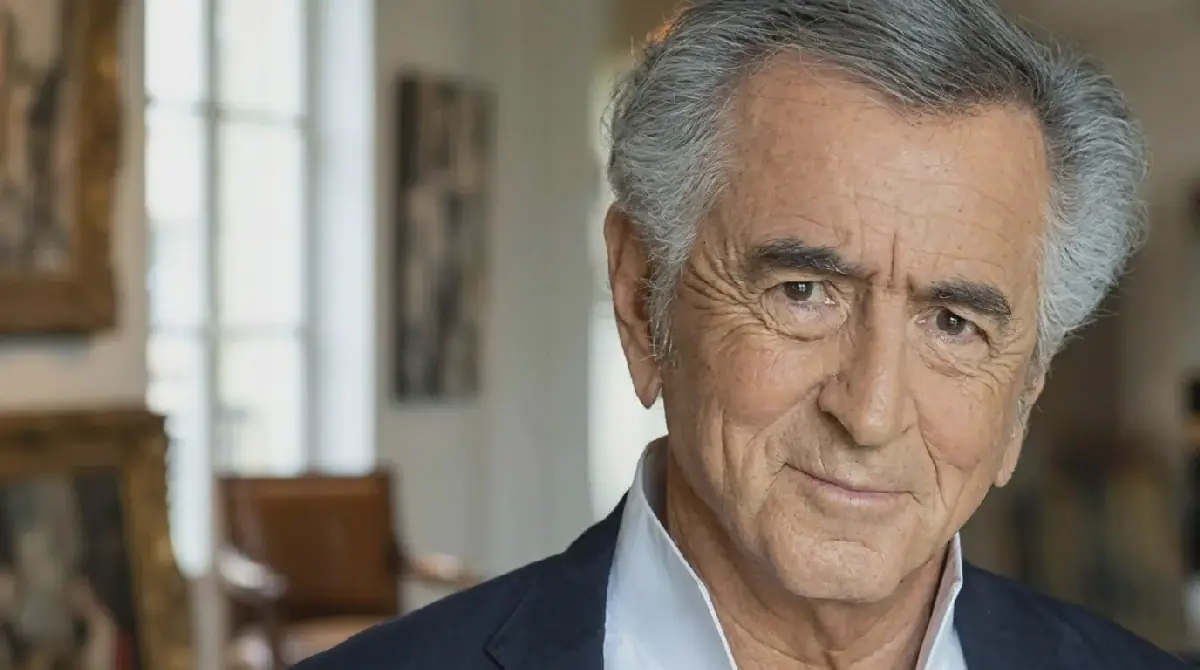
French writer Bernard-Henri Lévy has revealed that his life has become complicated due to a 33-year prison sentence imposed by a Tunisian court for allegedly plotting against the state. Lévy, known for his pro-Israel stance, was convicted in absentia in April 2025, along with 39 others, in a case dubbed "plot against state security." The conviction has resulted in significant travel restrictions for Lévy, who now has to carefully plan his movements.
Lévy, born in 1948 in Béni Saf, Algeria, made these revelations during an interview with the Jewish community radio station RCJ, where he discussed his autobiographical book "mémoires provisoires." He stated that he can no longer travel freely, even within France, due to security concerns. "My life is complicated," Lévy said. "Before every trip, I have to consider destinations that I'm not supposed to visit or countries I shouldn't fly over."
The writer's conviction in Tunisia stems from his involvement in the Arab Spring protests, particularly his role in the 2011 French-led intervention in Libya, which ousted long-time leader Muammar Gaddafi. Lévy has been a vocal supporter of Israel and has been critical of Islamist movements in the region. His actions have sparked intense debate and criticism, with many questioning his influence on Western foreign policy.
Lévy's travel restrictions are not limited to Tunisia; he also faces limitations within France. He claimed that there are certain destinations in France where he is advised not to go, and specific stops he is asked to avoid. This has significantly impacted his personal and professional life, forcing him to be more cautious in his movements.
Despite the challenges he faces, Lévy remains defiant. He stated that the criticism he faces does not affect him, saying, "The fire of criticism that I face touches me but does not reach me." Lévy has been a prominent figure in French intellectual circles for decades, known for his philosophical writings and his involvement in international affairs.
Lévy's case has sparked concerns about the freedom of expression and the role of intellectuals in shaping public discourse. His conviction and subsequent travel restrictions have been seen as a significant blow to his personal and professional life. The case has also raised questions about the relationship between France and Tunisia, particularly with regard to freedom of speech and human rights.
Lévy's situation remains uncertain, with no clear indication of how his conviction will be enforced or whether he will be extradited to Tunisia. For now, he continues to navigate the complexities of his life under the shadow of his conviction, carefully planning his movements and speaking out against what he sees as threats to freedom and democracy.
Key points
- Lévy was convicted in absentia to 33 years in prison by a Tunisian court for allegedly plotting against state security.
- The conviction has resulted in significant travel restrictions for Lévy, impacting his personal and professional life.
- Lévy remains defiant, stating that criticism does not affect him.