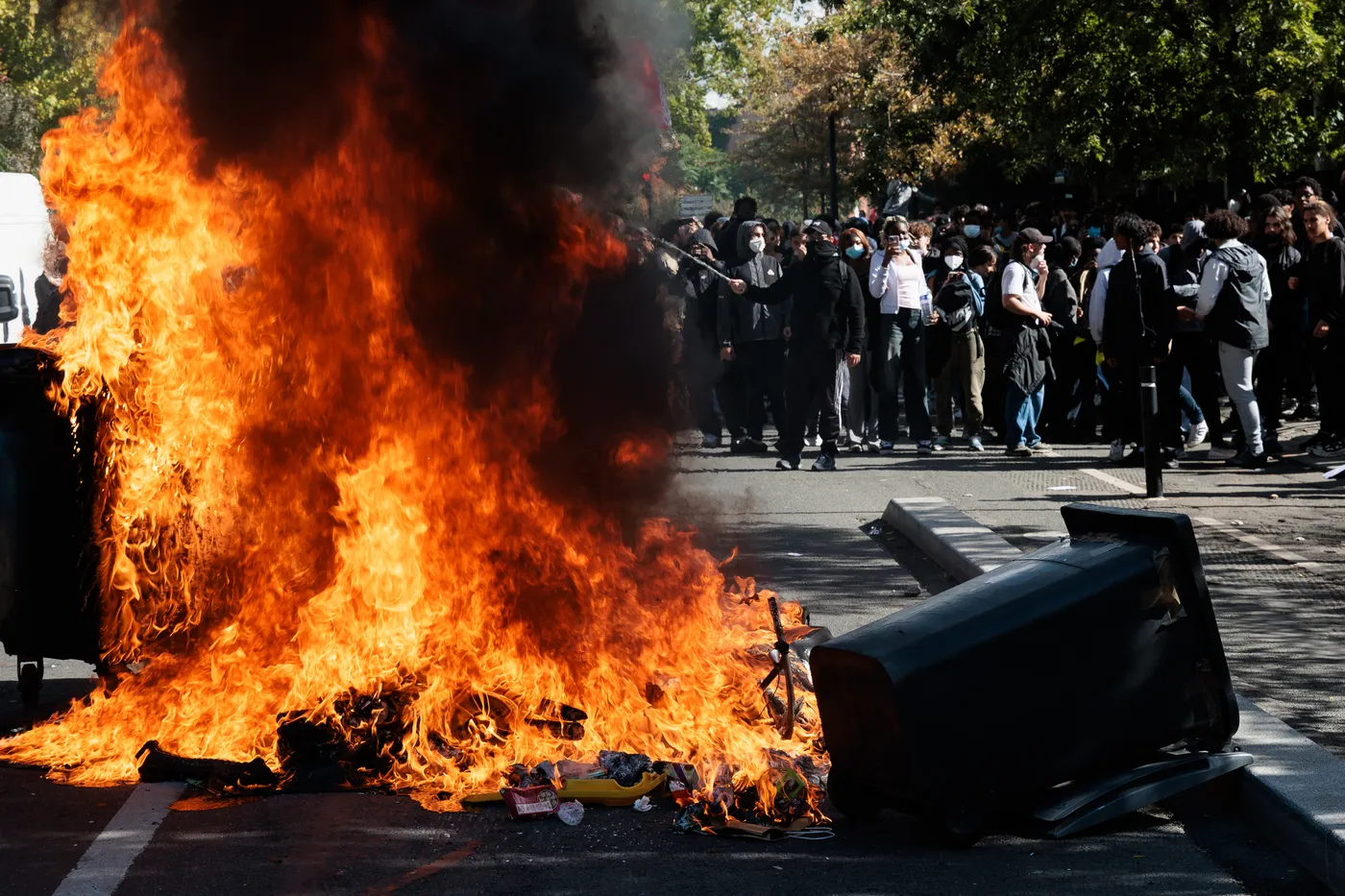
Student protests in France are set to intensify on Tuesday, with demonstrations planned across the country. The protests are driven by concerns over education, including inadequate resources and infrastructure in schools, particularly in disadvantaged areas. Students are also demanding improved working conditions and more teachers to replace those who are absent. The protests have been backed by education unions, left-wing parties, and even farmers' unions, who are planning to participate with their tractors.
The protests have been sparked by a range of issues, including the government's handling of education and its response to rising living costs. The student movement has gained momentum in recent weeks, with thousands of students taking to the streets to demand change. The protests have been marked by clashes between police and protesters, with several students injured. Human rights groups have expressed concern over the use of force by police and the impact on students.
The French government has attempted to address some of the concerns raised by students, including announcing the deployment of 3,000 replacement teachers to schools affected by staff shortages. However, unions have criticized the move, arguing that it does not address the underlying structural issues in the education system. The government has also faced criticism for its handling of the protests, with some accusing it of using excessive force.
The protests are not limited to education issues, but also reflect broader concerns over living costs and economic inequality. The movement has been linked to the "Yellow Vest" protests that took place in 2018 and 2019, which were driven by concerns over economic inequality and government policies. There are fears that the current protests could escalate into a wider social movement.
The student protests have gained support from a range of groups, including education unions, left-wing parties, and farmers' unions. The unions have called for a wider social mobilization, with a national day of action planned for October 17. The protests are expected to be joined by workers from other sectors, who are also demanding improved working conditions and higher wages.
The French government is facing challenges in passing its budget for 2027, with disagreements over public spending and austerity measures. The protests have added to the pressure on the government, which is already facing criticism for its handling of the economy. The government has attempted to engage with protesters and address some of their concerns, but the protests show no signs of easing.
The escalation of student protests in France has raised concerns about the potential for wider social unrest. The protests have been marked by clashes between police and protesters, and there are fears that the situation could deteriorate further. The international community is watching the situation closely, with the UN High Commissioner for Human Rights expressing concern over the use of force by police and the impact on students.
Key points
- Student protests in France are expected to escalate on Tuesday, with demonstrations planned across the country.
- The protests are driven by concerns over education, including inadequate resources and infrastructure in schools.
- The movement has gained support from a range of groups, including education unions, left-wing parties, and farmers' unions.