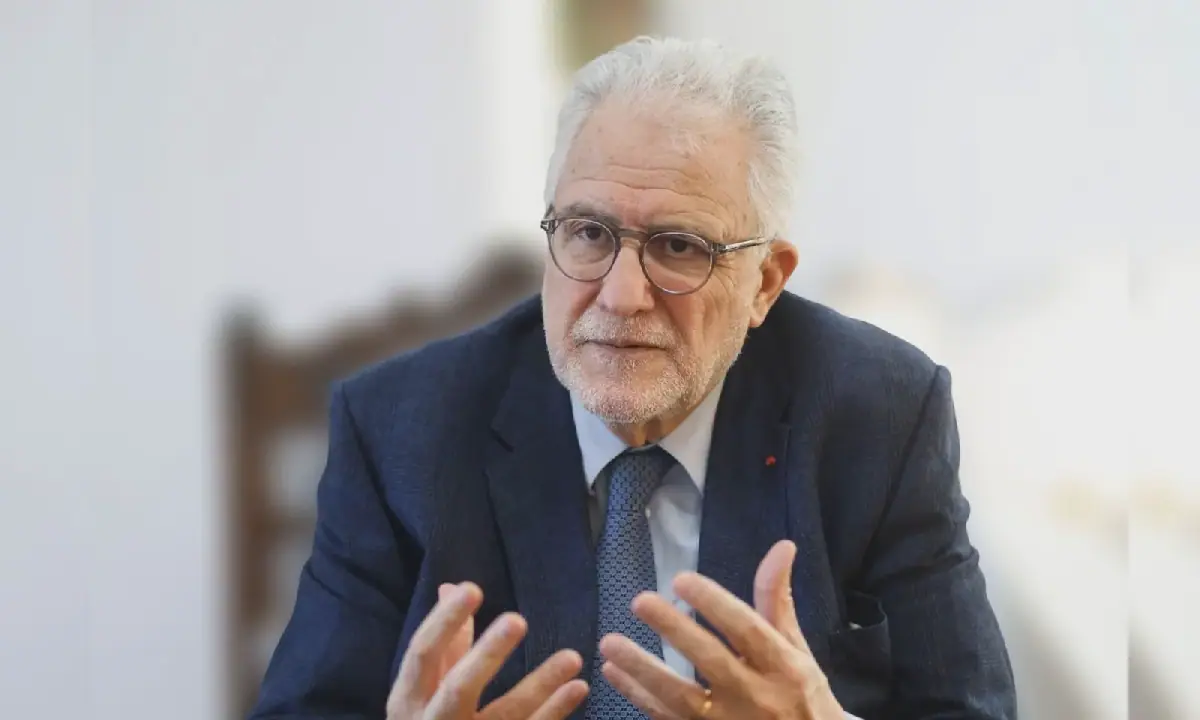
The rector of the Paris Grand Mosque, Chems-Eddine Hafiz, has published seven key principles for Muslims in France. The guidelines emphasize the importance of balancing faith with citizenship. Hafiz's message is clear: being a Muslim in France means being a full-fledged French citizen. The principles aim to promote a harmonious relationship between Muslims and the French state.
The publication of these principles comes amid a surge in anti-Muslim acts in France. In 2025, the French Interior Ministry reported 326 anti-Muslim acts, an 88% increase from 2024. This is the highest level since 2015, with a significant rise in attacks on individuals. The Ministry's report also notes that anti-religious acts targeted various communities, with over half of the 2,489 reported acts targeting Jewish people.
Hafiz's principles stress the importance of respecting French laws and the country's secular values. The guidelines emphasize that Muslims have the freedom to practice their faith while adhering to the law. The rector also highlights the need for mutual respect among citizens, regardless of their faith or background. The principles have been well-received by some as a call for greater understanding and integration.
The French concept of secularism, or laïcité, guarantees freedom of conscience and equal treatment under the law. The 1905 law separating church and state ensures that citizens can practice their faith freely, as long as they do not disrupt public order. The French Constitution defines the country as a secular republic, where all citizens are equal before the law, regardless of their origin or faith.
Hafiz's guidelines also address the issue of women's rights, emphasizing that equality between men and women is a fundamental principle. This topic has been a point of contention in debates about Islam in France. The rector stresses that the dignity, freedom, and rights of all individuals must be respected, without distinction based on sex or faith.
The sixth principle highlights the value of diversity, encouraging Muslims to participate in civic life and contribute to French society. Hafiz argues that being a good Muslim means being a good citizen, with values such as honesty, solidarity, and justice at the heart of Islamic ethics. This message aims to promote a positive image of Islam and its compatibility with French values.
The debate on the role of Muslims in French society continues, with some politicians calling for restrictions on Muslim practices. Hafiz has previously spoken out against such proposals, arguing that Muslims are not "guests" in France but rather citizens with equal rights. His latest guidelines aim to promote greater understanding and integration, emphasizing the importance of living in harmony with French laws and values.
Key points
- Chems-Eddine Hafiz published seven key principles for Muslims in France.
- The guidelines emphasize the importance of balancing faith with citizenship.
- The publication comes amid a surge in anti-Muslim acts in France.