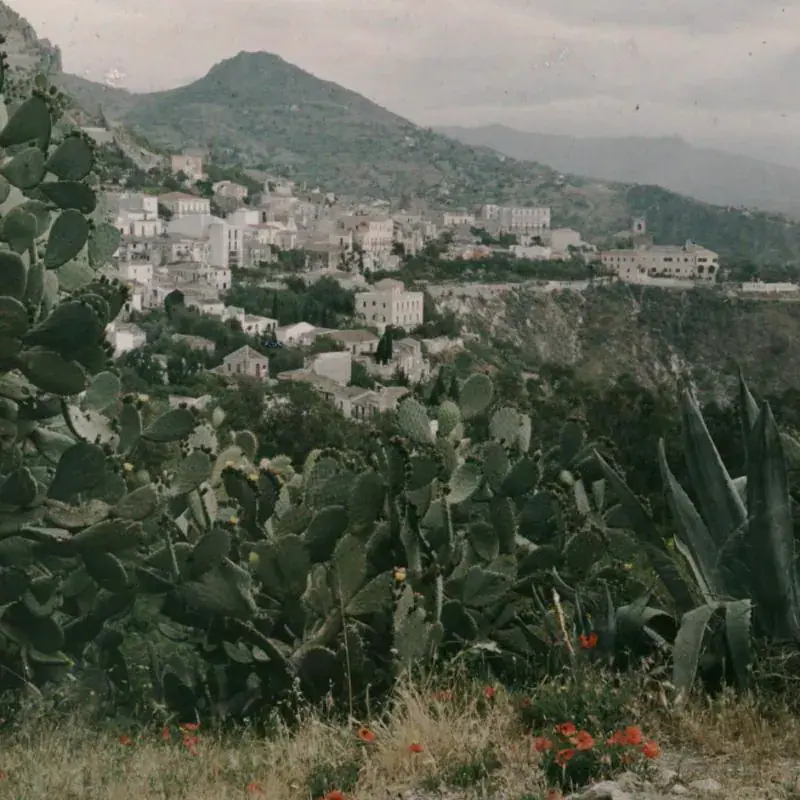
In 1906, France took a significant step towards preserving its natural beauty by enacting the first legislation aimed at protecting its landscapes. The law, signed on April 21, 1906, was a response to the rapid industrialization that had been transforming the country's countryside and cities for over 70 years. Charles Beauquier, a radical-socialist deputy and historian, was a key figure behind the law, which focused on preserving "monuments naturels de caractère artistique" such as waterfalls, caves, and woods.
The 1906 law, also known as the "loi sur les paysages," was a groundbreaking move that recognized the importance of preserving France's natural heritage. It was influenced by the 1887 legislation on historical monuments and was driven by the efforts of artists, writers, and early tourism associations like the Touring Club de France. The law allowed for the protection of sites deemed to be of "intérêt général," but its impact was limited as it relied on voluntary engagement from landowners.
Charles Beauquier, who founded the Société pour la protection des paysages, played a crucial role in shaping the law. He wrote about the decree in the Grande revue in June 1906, highlighting its significance. The law was a reaction to the excesses of the Industrial Revolution, which had led to the degradation of natural landscapes. Beauquier and other proponents argued that protecting natural sites was essential to preserving France's beauty and cultural heritage.
The 1906 law had its limitations, but it paved the way for future legislation. It was complemented and eventually replaced by the 1930 law, which expanded the criteria for protection to include historical, scientific, and legendary significance. The 1930 law also introduced a two-tiered system of protection, allowing for the classification and inscription of sites without requiring landowner consent. Today, this legislation remains in force, with around 2,700 classified sites protected under the French environmental code.
The passage of the 1906 law was a significant milestone in France's environmental history. It marked a shift in public awareness and concern for the preservation of natural landscapes. As Beauquier noted, the law was a response to the threat posed by industrialization and the need to protect France's natural beauty for future generations. The law also reflected a growing recognition of the importance of decentralization, with the costs of expropriation and site protection being borne by local authorities.
The 1906 law also highlighted the need for complementary legislation to protect natural sites from damage caused by public works projects. The law of December 29, 1892, allowed for temporary occupation of private property for public works, but it did not provide adequate protection for natural landscapes. The Société pour la protection des paysages and other advocacy groups had long argued that the exploitation of natural resources, such as granite extraction in Brittany, was causing irreparable harm to France's natural beauty.
The legacy of the 1906 law can be seen in the current French environmental code, which protects thousands of classified sites. The law's impact extends beyond France, as it has inspired similar legislation in other countries. As the world grapples with environmental challenges, the 1906 law serves as an important reminder of the need for proactive measures to preserve natural heritage and promote sustainable development.
Key points
- The 1906 French law on landscape protection was a pioneering piece of legislation that recognized the importance of preserving natural sites.
- Charles Beauquier played a key role in shaping the law and advocating for the protection of France's natural beauty.
- The law has been complemented and replaced by subsequent legislation, including the 1930 law, which expanded protection criteria and introduced a two-tiered system of site classification.
Reporting sources
- Le Radical · Le Radical