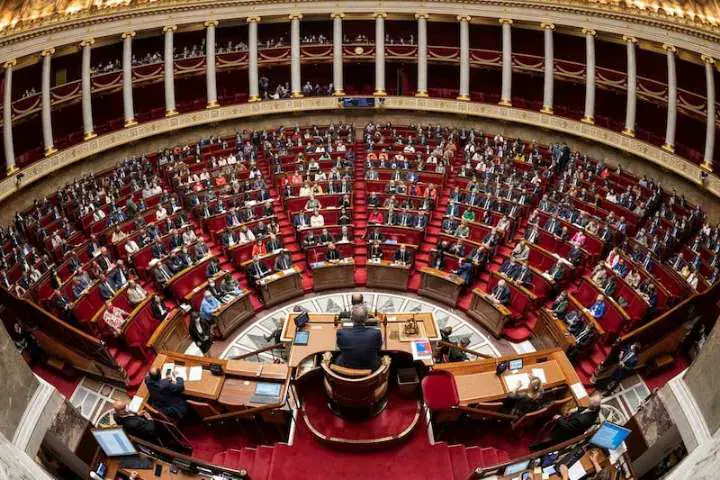
The French government suffered a significant setback on Wednesday, November 4, 2026, as the National Assembly rejected the 2027 budget bill in its first reading. The bill was voted down by 458 lawmakers, with no votes in favor and two abstentions. This development highlights the ongoing divisions between political forces in France, particularly with regards to managing public finances, just months ahead of the presidential elections.
The rejection of the budget bill reflects the challenges faced by the French government in passing key legislation, given the lack of a clear parliamentary majority since President Emmanuel Macron dissolved the National Assembly in 2024. The bill will now be sent to the Senate, which is expected to begin discussions on November 20, 2026, without the possibility of amendments by lawmakers.
The government's efforts to reduce the public deficit to 5% of GDP in 2027, down from 5.4% this year, face significant hurdles amid rising public debt and pressure on public spending. The budget bill had proposed several measures, including cuts to certain tax exemptions for retirees and reductions in funding for local authorities, which were met with opposition and ultimately deleted or amended during parliamentary debates.
The rejection of the budget bill has sparked concerns about the government's ability to pass key legislation, particularly in the run-up to the presidential elections. The government has indicated that it will seek to find a compromise during discussions in the Senate, with a possible agreement expected in December 2026.
The French economy is facing significant challenges, including high public debt and pressure on public spending, which are likely to complicate efforts to balance the budget. The government will need to find a way to address these challenges while also meeting social demands, as the country prepares for the presidential elections in 2027.
The developments in France have sparked concerns about the potential impact on the country's economic stability and its ability to meet its fiscal targets. The government will need to work closely with lawmakers to find a compromise and pass a revised budget bill that addresses the country's economic challenges.
The French government's failure to pass the 2027 budget bill highlights the complexities of the country's politics and the challenges faced by the government in passing key legislation. The developments are likely to have significant implications for France's economic policy and its ability to address the country's economic challenges.
Key points
- French government's 2027 budget bill rejected by National Assembly
- Rejection reflects ongoing divisions between political forces in France
- Government faces significant challenges in passing key legislation ahead of presidential elections