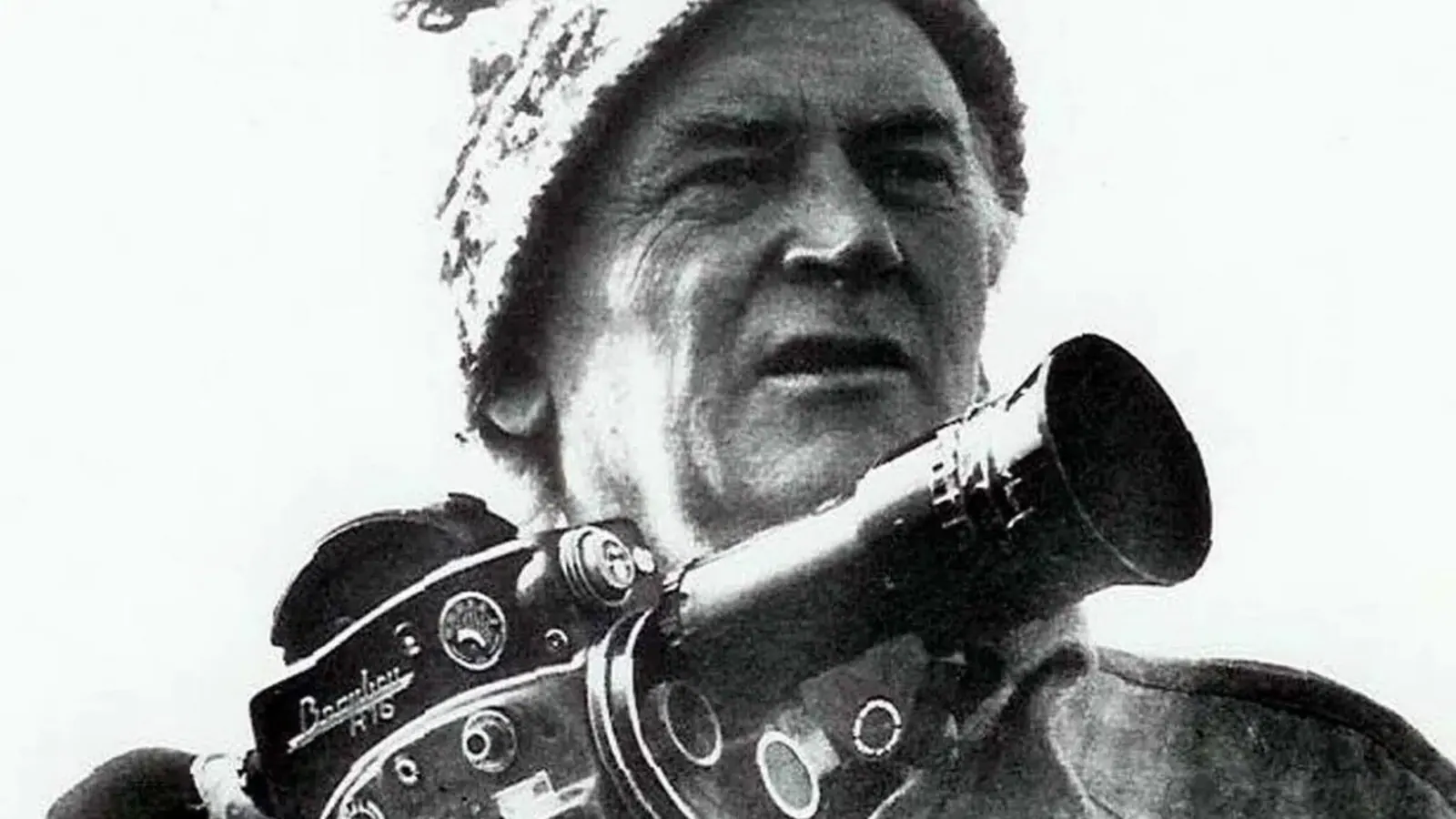
A cinema in Elne, a town in the Pyrénées-Orientales region of France, has removed the name of René Vautier, a filmmaker known for his anti-colonialist stance and documentation of the Algerian War. The cinema, which had been named after Vautier since its opening in 2005, will now be called "La Bobine illibérienne," a reference to the town's inhabitants. The decision was made by the town's mayor, Steve Fourteil, who claims it was made to "depoliticize culture."
René Vautier was a prominent figure in French cinema, using his camera as a tool for social commentary and activism. His most famous film, "Avoir vingt ans dans les Aurès," follows a group of French conscripts as they confront the harsh realities of the Algerian War. Vautier's commitment to the Algerian cause and his support for the National Liberation Front (FLN) have been cited as the reasons for the name change. The filmmaker passed away in 2015, leaving behind a legacy of cinematic works that continue to spark conversation and debate.
The decision to remove Vautier's name has been met with widespread criticism from the film community and beyond. Roland Castanier, a municipal councilor and member of the opposition, argues that the move amounts to an "erasure of history." Castanier believes that the real issue is Vautier's anti-colonialist stance and his documentation of the Algerian War, which has become a contentious topic in French politics.
In response to the name change, nearly 100 cinemas across France displayed Vautier's name on their facades for a day in a show of solidarity with the filmmaker. The movement was supported by 14 organizations from the film industry, including the Société des réalisatrices et réalisateurs de films and the Association française des cinémas d'art et d'essai. These groups argue that culture is inherently political and that the attempt to remove Vautier's name is an attempt to erase his legacy and the history he represented.
The controversy surrounding Vautier's name has sparked a broader debate about France's colonial past and its ongoing impact on the country's cultural landscape. The decision to remove Vautier's name has been seen as part of a larger trend of reevaluating France's historical legacy, with some cities choosing to rename streets and landmarks associated with colonialism and slavery. The debate has also highlighted the tension between those who seek to "depoliticize" culture and those who see it as a means of engaging with and confronting the complexities of history.
The film community's response to the name change has been seen as a testament to Vautier's enduring legacy and the impact of his work on French cinema. David Obadia, délégué général of the AFCAE, noted that responses to the controversy came from all over France, from the Île-de-France to Marseille. The incident has brought attention to Vautier's body of work and the importance of preserving the history and cultural significance of his films.
As the debate surrounding Vautier's name continues, it remains to be seen how the film community and the French public will engage with the complexities of their country's colonial past. The incident has highlighted the ongoing relevance of Vautier's work and the importance of confronting and understanding the historical context in which his films were made.
Key points
- The removal of René Vautier's name from a French cinema has sparked a nationwide debate on France's colonial past and its impact on cultural heritage.
- The film community has rallied around Vautier, with nearly 100 cinemas displaying his name in a show of solidarity.
- The controversy has highlighted the tension between those who seek to "depoliticize" culture and those who see it as a means of engaging with and confronting the complexities of history.