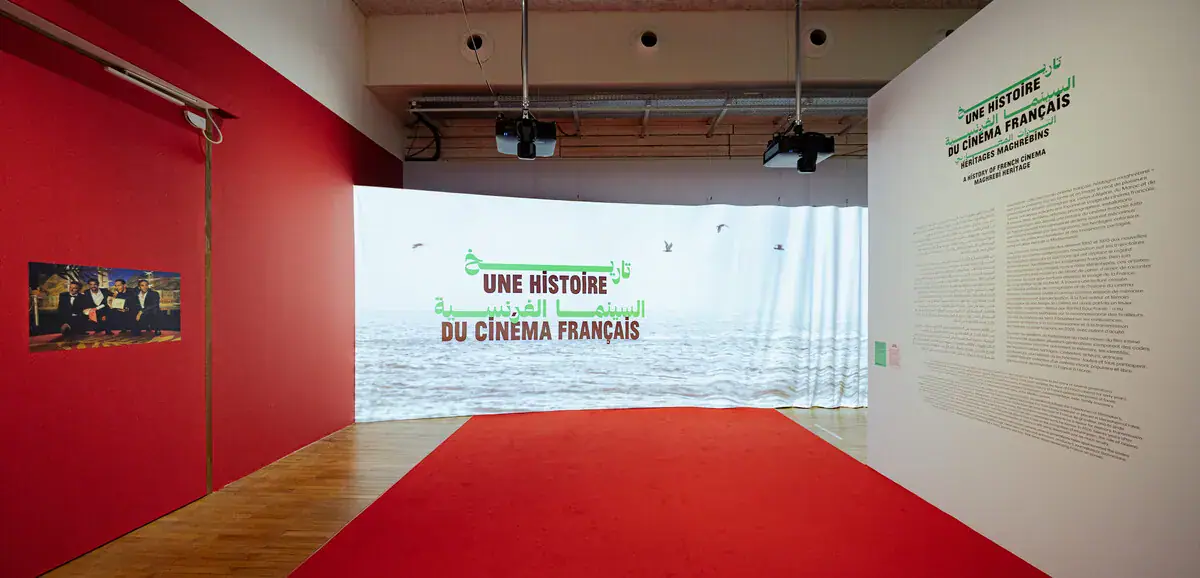
The French film industry has undergone significant transformations since the 1960s, thanks in part to the contributions of artists from Maghrebi immigrant backgrounds. Despite their profound impact, the role of these artists in shaping French cinema remains largely underappreciated. To address this, the National Museum of Immigration History in Paris is hosting the exhibition "A History of French Cinema – Maghrebi Heritages," which showcases six decades of creative works.
The exhibition highlights the pioneering work of filmmakers such as Algerian Ali Ghanem, whose 1960s film Mektoub offered a rare glimpse into the lives of immigrant workers in France. Prior to this period, colonial-era cinema dominated representations of immigrant experiences. The exhibition's co-curator, Lucile Humbert Beldjoudi, notes that the 1960s marked a turning point, as Maghrebi artists began to reclaim their narratives and challenge existing stereotypes.
The 1980s saw the emergence of prominent filmmakers like Mehdi Charef, Rachid Bouchareb, and Abdelkrim Bahloul, who introduced new perspectives on family, exile, and identity. Charef's 1985 film Le Thé au harem d'Archimède earned critical acclaim at the César Awards. These artists offered authentic portrayals of immigrant experiences, moving beyond caricatures and stereotypes.
The 1990s witnessed a growing presence of actors from Maghrebi immigrant backgrounds on French screens, although they often found themselves limited to stereotypical roles. Some artists responded by taking control of their own image, selecting their roles, and establishing production companies. Humbert Beldjoudi believes that this evolution has had a lasting impact on French cinema, enabling a more nuanced representation of immigrant experiences.
Despite progress, the fight against stereotypes is far from over. Humbert Beldjoudi acknowledges that there is still work to be done in challenging and subverting existing clichés. The exhibition also shines a light on the increasing influence of women in French cinema, including directors like Hafsia Herzi, Lina Soualem, and Leïla Bouzid, who are redefining representations of women from immigrant backgrounds.
The exhibition features a range of materials, including film clips, posters, and archival photographs, offering a comprehensive look at the history of French cinema's Maghrebi heritage. By highlighting the contributions of these artists, the exhibition aims to promote a deeper understanding of French cinema's evolution and its ongoing transformation.
The exhibition "A History of French Cinema – Maghrebi Heritages" will run until March 21, 2027, at the National Museum of Immigration History in Paris. This showcase provides an opportunity for audiences to engage with the rich and diverse history of French cinema and its ongoing evolution.
Key points
- The exhibition "A History of French Cinema – Maghrebi Heritages" explores six decades of cinematic contributions from French artists of Maghrebi immigrant descent.
- The exhibition highlights the work of prominent filmmakers like Mehdi Charef, Rachid Bouchareb, and Hafsia Herzi, who have challenged stereotypes and transformed French cinema.
- The exhibition is a step towards recognizing the significant contributions of Maghrebi artists to French cinema, and promoting a more nuanced understanding of immigrant experiences on screen.