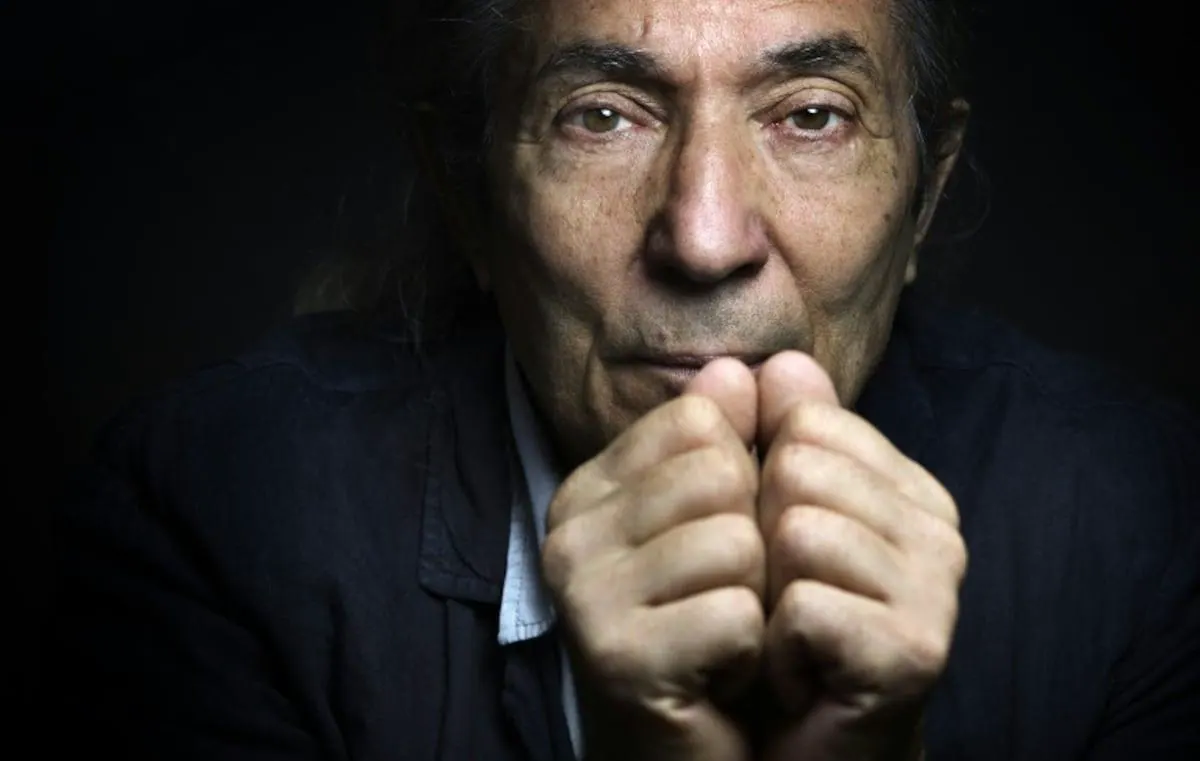
French author Bualam صنصال Boghi has filed a lawsuit against Algerian President Abdelmadjid Tebboune, claiming direct responsibility for his imprisonment. Boghi was sentenced to five years in prison in November 2024 before being released in November 2025 following a German-mediated pardon. He asserts that Tebboune, whom he describes as a dictator, should be held accountable. Boghi's decision to pursue legal action was communicated to both the German and French presidents.
In an interview with the German channel Deutsche Welle, Boghi emphasized his refusal to negotiate with Tebboune. He prefers to follow legal procedures, having already informed the German and French presidents of his intentions. Boghi's lawsuit includes documentation such as video recordings, articles published in Algerian media, and his new book "The Legend," which recounts his arrest and imprisonment experience.
Boghi's book, released in June 2026, provides a detailed account of his ordeal. His legal team is preparing the case, which includes witness testimonies and relevant documents. Boghi's imprisonment stemmed from his historical claims regarding the regions of Tlemcen, Oran, and Mascara, which he asserts have always been part of Morocco.
Despite his release, Boghi has not retracted his statements about the historical ties of these regions to Morocco. He mentioned that local populations in western Algeria have traditionally identified as Moroccans, citing familial and marital connections. Boghi attributes the current borders between Algeria and Morocco to French colonial rule.
Boghi's assertions have sparked significant attention, particularly in the context of Algerian-Moroccan relations. His case highlights the complexities of historical narratives and territorial disputes in the region. The lawsuit against Tebboune is seen as a bold move by Boghi, who is resolute in his claims.
The case is being closely watched by various parties, including human rights organizations and scholars of North African history. Boghi's determination to pursue justice through legal channels underscores the ongoing debates about historical accuracy and territorial sovereignty.
As the lawsuit progresses, it is likely to have implications for both Algerian-Moroccan relations and the broader discussion on historical narratives in the region. Key points include Boghi's direct accusation of Tebboune, his claims about the historical ties of Tlemcen, Oran, and Mascara to Morocco, and the international attention the case has garnered.
Key points
- French author Bualam صنصال Boghi sues Algerian President Abdelmadjid Tebboune over imprisonment and historical claims.
- Boghi asserts Tlemcen, Oran, and Mascara have always been part of Morocco.
- The lawsuit has significant implications for Algerian-Moroccan relations and regional historical narratives.