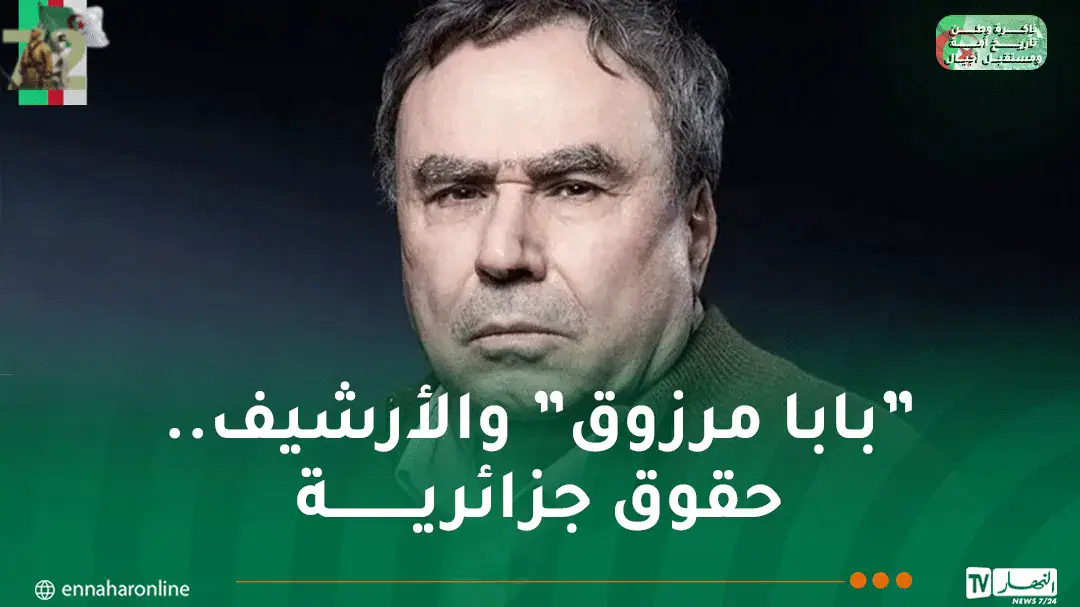
French historian Benjamin Stora has emphasized that a formal French apology for colonial crimes will not be enough to resolve the complex legacy of colonialism between Algeria and France. Stora, who authored a report on the matter in 2021 at the request of French President Emmanuel Macron, stressed that a comprehensive historical, educational, and awareness-raising effort is required to address the issue. He made these comments in an interview with the Algerian newspaper "El Chaab".
Stora highlighted the challenges of confronting France's colonial past, given the country's prolonged occupation of Algeria, which lasted for over a century and a half. The nature of the colonial project, which was characterized by settlement and exploitation, has made it difficult for France to come to terms with its past. Stora's report included recommendations for acknowledging and making amends for French crimes, including the assassination of Algerian figures such as Ali Boumendjel and Maurice Audin.
While some of Stora's recommendations have been implemented, including the recognition of the assassination of certain Algerian figures and the release of archives and maps related to nuclear testing, many issues remain unresolved. These include the fate of missing persons from the Algerian War of Independence and the legacy of chemical and nuclear experiments conducted during the conflict. Stora noted that feelings of resentment and a desire for revenge persist in some quarters of French society.
Stora expressed concern that the process of addressing France's colonial legacy has been slow, partly due to pressure from the French far right, which rejects acknowledgment of the country's colonial past. He warned that if the far right were to come to power, efforts to recover historical Algerian assets and address the country's colonial legacy could be frozen. Stora also discussed the issue of Algerian assets currently held in France, including a cannon and other items associated with Emir Abdelkader.
The return of these assets has been requested by Algeria, but has yet to occur. Stora suggested that the passage of a French law related to stolen properties from the colonial era could pave the way for their return to Algeria and other African countries. He emphasized that this would be a positive step towards acknowledging and making amends for France's colonial legacy. Stora's comments highlight the ongoing complexities of the Franco-Algerian relationship.
The relationship between France and Algeria has been shaped by their shared history, including the Algerian War of Independence, which ended in 1962. The legacy of colonialism continues to influence the relationship between the two countries, with many issues remaining unresolved. Stora's report and recommendations are part of a broader effort to address these issues and promote greater understanding and reconciliation between France and Algeria.
Stora's emphasis on the need for a comprehensive and sustained effort to address France's colonial legacy highlights the challenges of confronting and making amends for historical injustices. His comments also underscore the importance of continued dialogue and cooperation between France and Algeria in order to promote greater understanding and reconciliation.
Key points
- A formal French apology for colonial crimes is not enough to address the complex legacy of colonialism between Algeria and France.
- A comprehensive historical, educational, and awareness-raising effort is required to address the issue.
- Many issues related to France's colonial legacy remain unresolved, including the fate of missing persons and the return of historical Algerian assets.