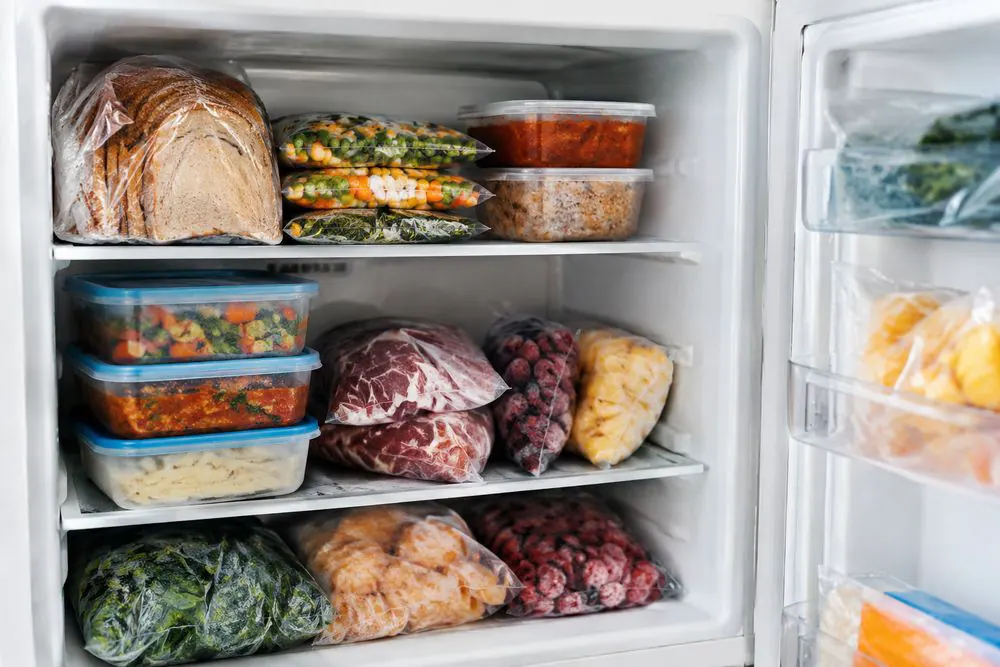
The freezer is one of the hardest-working appliances in the kitchen, yet many people use only a fraction of its capabilities. It is commonly used to store meat, frozen vegetables, ice, and bread. However, when used properly, the freezer can become a simple tool for cutting food waste and stretching the grocery budget. To maximize its benefits, it's essential to change the way we think about the freezer.
Freezing food before it becomes waste is a great way to reduce food wastage. For instance, freezing a half loaf of bread that nobody will finish can be a great way to save it. Similarly, bananas that are becoming too ripe can be peeled and frozen for smoothies or baking. Fresh herbs that are wilting can be chopped and frozen in small portions. Leftover cooked food that nobody is likely to eat can be portioned and frozen instead of being thrown away.
Timing is crucial when freezing food. Freezing is most useful when done while the food is still good, rather than waiting until it's already past its best. It's essential to know when to freeze produce to get the most out of it. By freezing food at the right time, individuals can enjoy their favorite meals while reducing food waste.
A freezer can also help with one of the more expensive grocery habits: buying something again because you forgot you already had it. Keeping similar foods together and making it easy to see what is there can help individuals avoid buying unnecessary items. A quick freezer check before grocery shopping can save money without requiring a complicated meal plan.
Freezing in portions is another effective way to reduce food waste. Dividing leftovers, cooked mince, soup, stew, rice, or other suitable foods into portions before freezing can make a big difference. Smaller portions also thaw more easily and can be taken out individually. For foods like bread, freezing slices rather than the entire loaf can be more practical.
The freezer can also make bulk buying more practical. Buying a larger quantity is not automatically cheaper if some of it ends up in the bin. However, if individuals know they will use the food, the freezer can help them save money. Meat can be divided into meal-sized portions before freezing, and grated cheese can be frozen in portions.
Finally, using the freezer to give leftovers a second life can help reduce food waste. Cooked vegetables can become part of a frittata or soup, and leftover roast meat can be portioned and frozen for another meal. By using the freezer effectively, individuals can shop more carefully, waste less, and get more meals from their groceries.
Key points
- Freezing food before it becomes waste can help reduce food wastage.
- Freezing in portions can make a big difference in reducing food waste.
- The freezer can make bulk buying more practical if individuals know they will use the food.