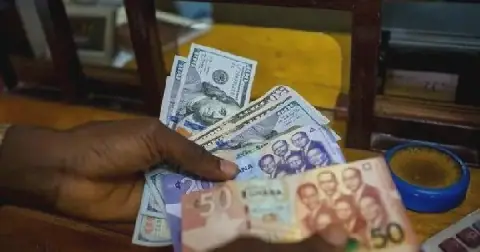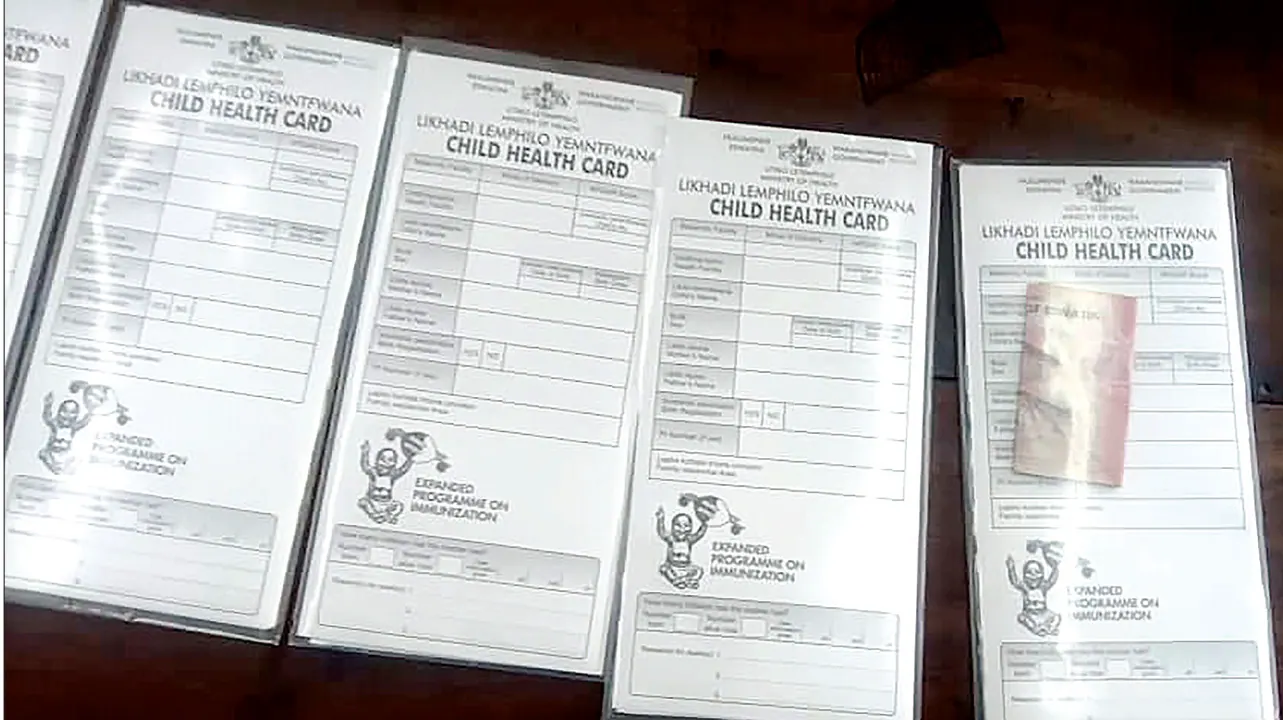
Free child health cards intended to record children's health information are being sold in the black market for E50 each in Eswatini. An investigation by the Times of Swaziland found that the cards, ordinarily provided free of charge at hospitals, are being sold by individuals. The cards help parents and healthcare workers keep track of children's health, including immunizations and hospital visits.
The sale of these documents came to light after the arrest of two women, Siphiwe Masangane (50) and Nokwanda Gulwako (24), from Ludzeludze. They are charged with theft and offenses under the Official Secrets Act, 1968. Preliminary police investigations indicate that Masangane, employed by a reputable printing company in Mbabane, took a bundle of cards home, where her daughter advertised them for sale on Facebook.
The matter was reported to the police after a tip-off about someone offering the cards for sale. Police investigations are ongoing, examining whether the suspects are linked to other cases involving the cards. Masangane has worked for the printing company for over 24 years and has since been suspended pending further investigations.
Sources suggest that some people may seek the cards to record false information, including details of men they wish to be recorded as fathers. This is one possible use investigators believe the cards may have been sought for. Child health cards play a crucial role in monitoring a child's healthcare needs, allowing parents and caregivers to track immunizations and healthcare visits.
In Eswatini, child health cards are provided free of charge to women at hospitals after they give birth. The alleged sale of these documents raises questions about how they ended up in unauthorized hands and whether there are weaknesses in their distribution control processes. Some institutions request health background information as part of their admission requirements, which may be another reason people seek these documents.
Child health cards are also required when pupils are registered at schools. Sources indicate that there have been instances where cards were unavailable at health facilities due to stock shortages. In such cases, women who had given birth were sometimes unable to leave the facilities with the documents intended for recording their children's health information.
Health Promotions Officer at the Ministry of Health Sidumo Lukhele stated that the ministry had previously warned the public against buying child health cards, as some staff members were allegedly selling them at health facilities. The investigation is ongoing, and it was discovered that some hospital staff members may have worked together to make the cards available to people willing to pay for them.
Key points
- Free child health cards in Eswatini are being sold for E50 each in the black market.
- The cards are ordinarily provided free of charge at hospitals to record children's health information.
- The sale of these documents may be linked to applications for overseas education or recording false information.